
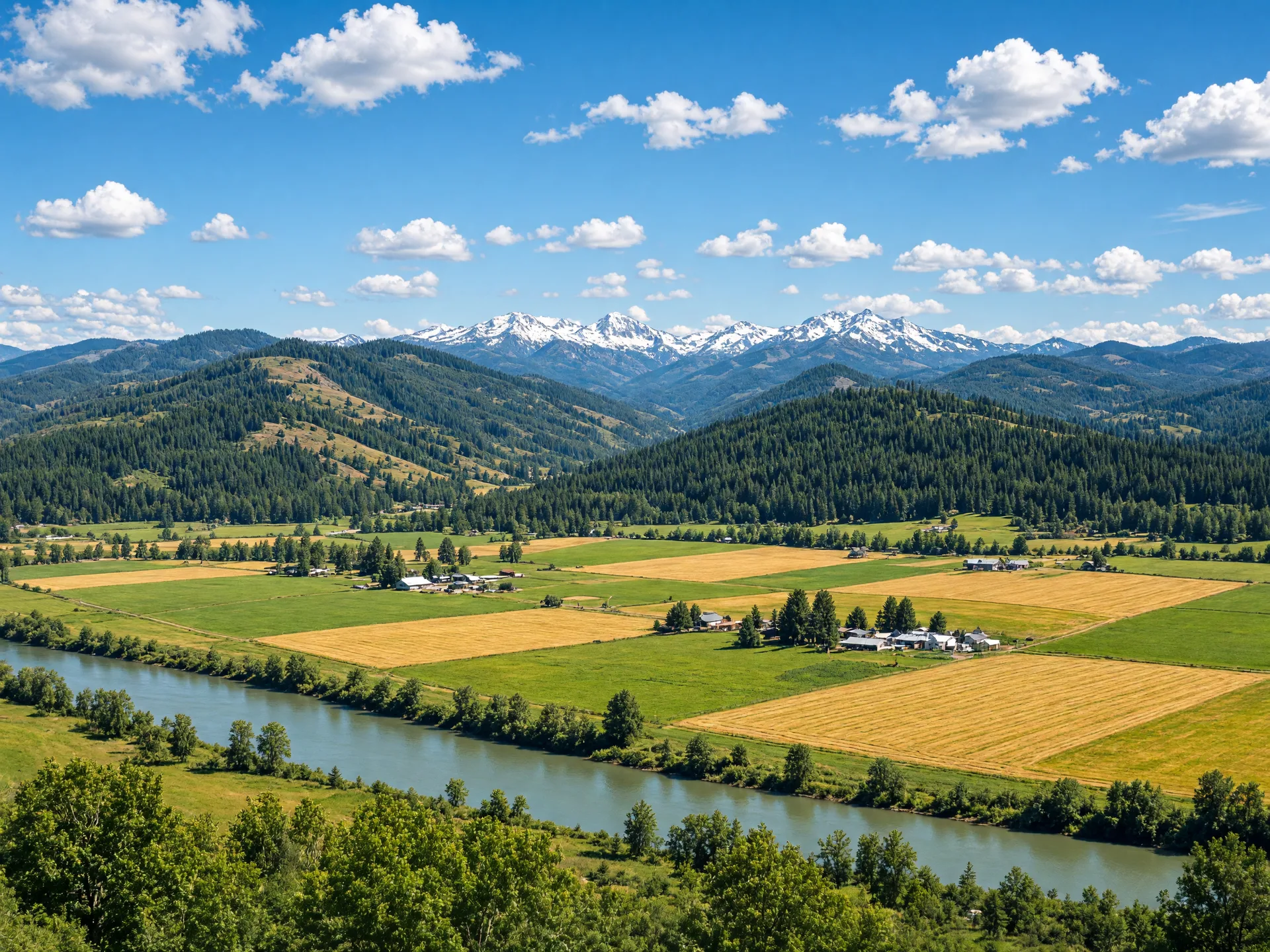
If someone who lived in Linkville in the 1870s could visit modern Klamath Falls, the transformation would be astonishing.
The small settlement beside the Link River has become a regional city with modern transportation, medical services, educational institutions and residential neighborhoods.
Yet certain features would remain familiar.
Upper Klamath Lake would still dominate the landscape.
Mountains would still surround the basin.
The Link River would still connect the lake with Lake Ewauna.
And the region would still depend on its relationship with land, water and natural resources.
Then: A Small River Settlement
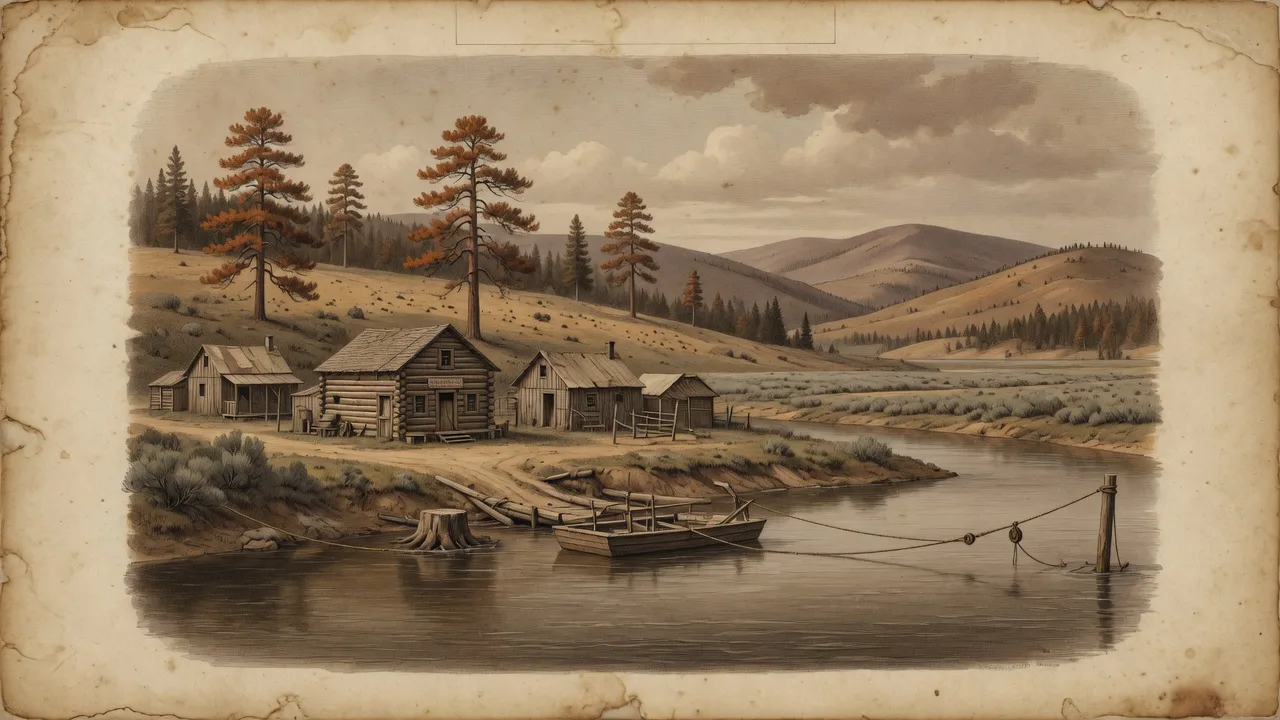
In 1867, George Nurse established the trading and ferry operation that helped create Linkville.
The community was small.
Travel was difficult.
Businesses served a limited population and surrounding rural economy.
The settlement's location mattered because the river crossing provided a practical transportation connection.
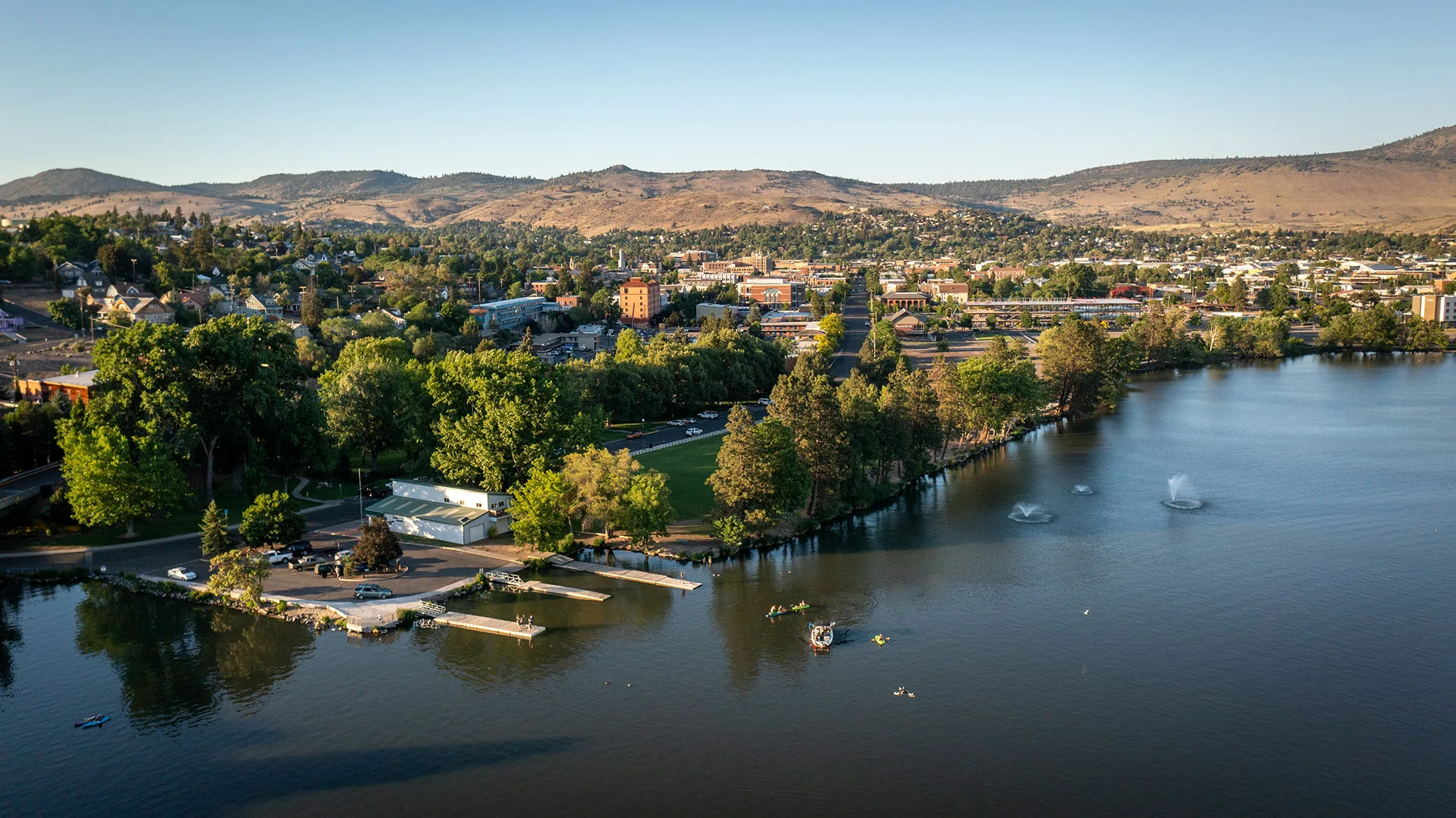
Now: A Regional Service Center
Modern Klamath Falls serves a much larger population across Southern Oregon and neighboring areas.
Residents travel into the city for medical care, education, shopping, government services and employment.
The community's role as a regional center has expanded far beyond its original trading-post function.
Then: Agriculture Expands Through Reclamation
Early ranching and farming operations depended on local conditions and available water.
Federal reclamation during the twentieth century transformed agricultural production.
Canals, diversions and drainage systems changed the basin's landscape.
Agricultural communities developed around irrigated land.
Now: Agriculture and Water Remain Central
Agriculture remains important.
But water management is also a major environmental, legal and policy issue.
The needs of farms, fisheries, wildlife, tribal communities and other interests must be considered within a complicated watershed.
The same water that helped build the regional economy remains one of its defining challenges.
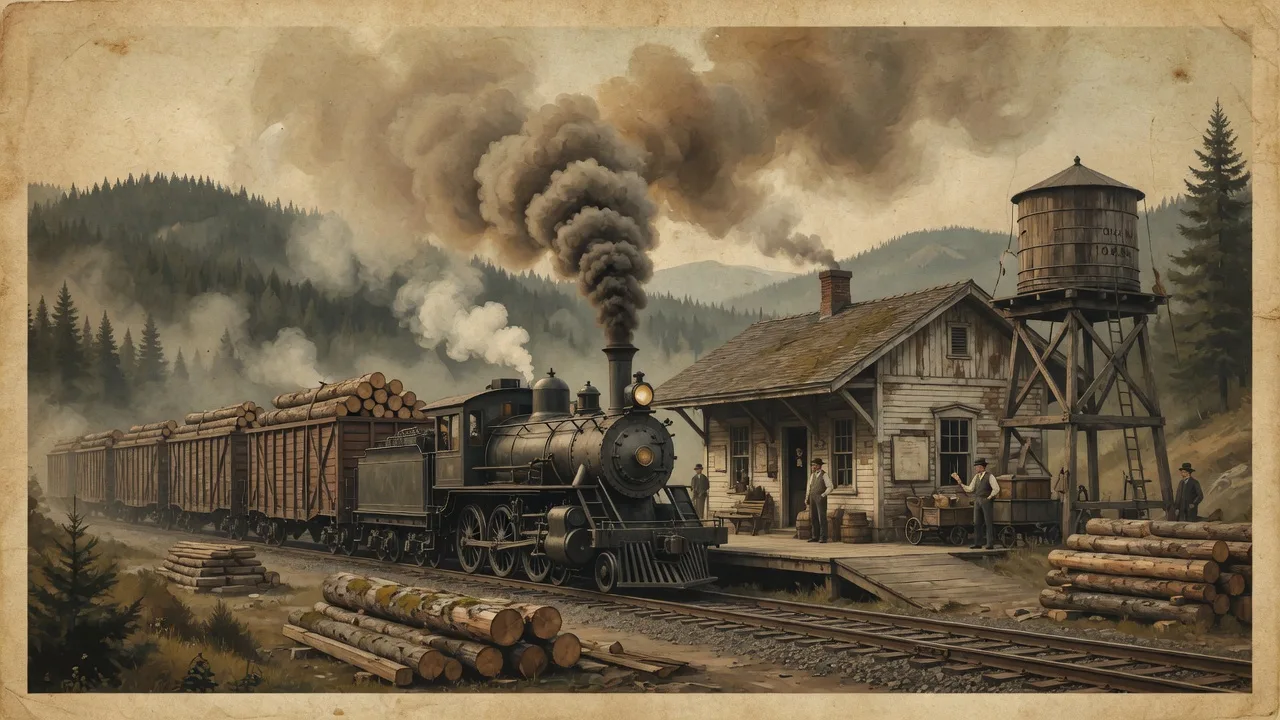
Then: The Railroad Creates a Boom
Southern Pacific arrived in 1909.
The railroad opened larger markets and helped accelerate industrial development.
Timber mills expanded.
Businesses multiplied.
Workers arrived.
The city's physical growth reflected its changing economic opportunities.
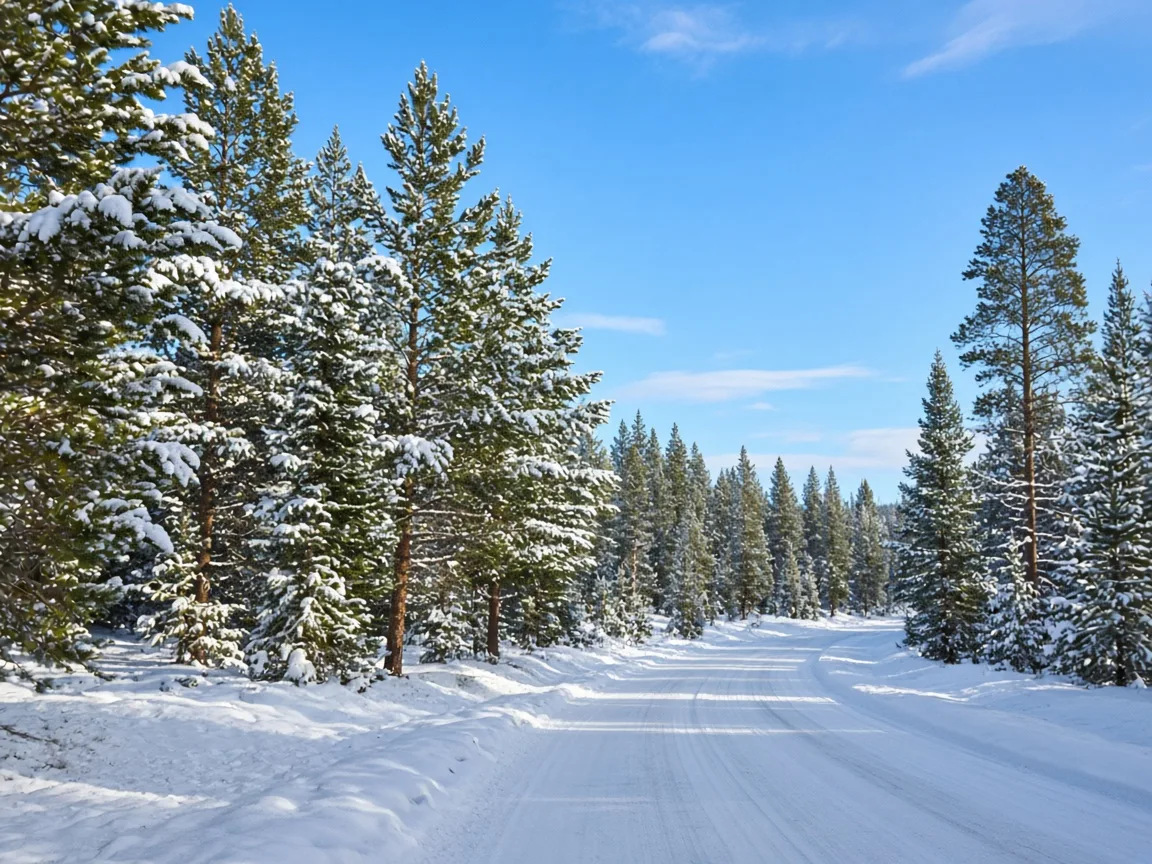
Now: Transportation Has Evolved
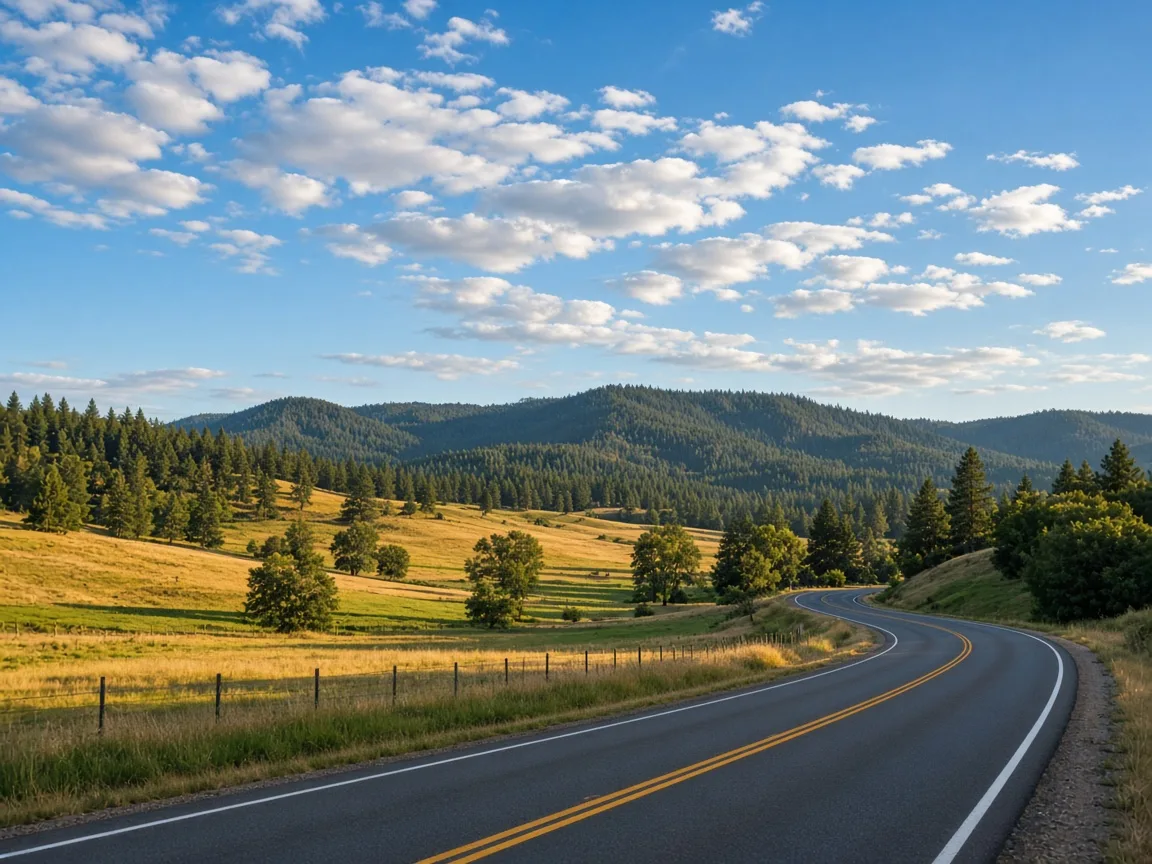
Rail freight remains part of regional transportation, but highways and automobiles dominate much everyday travel.
Residents use modern roads to reach employment, schools, shopping and recreation.
The city is connected to surrounding communities through a transportation network that earlier residents could scarcely have imagined.
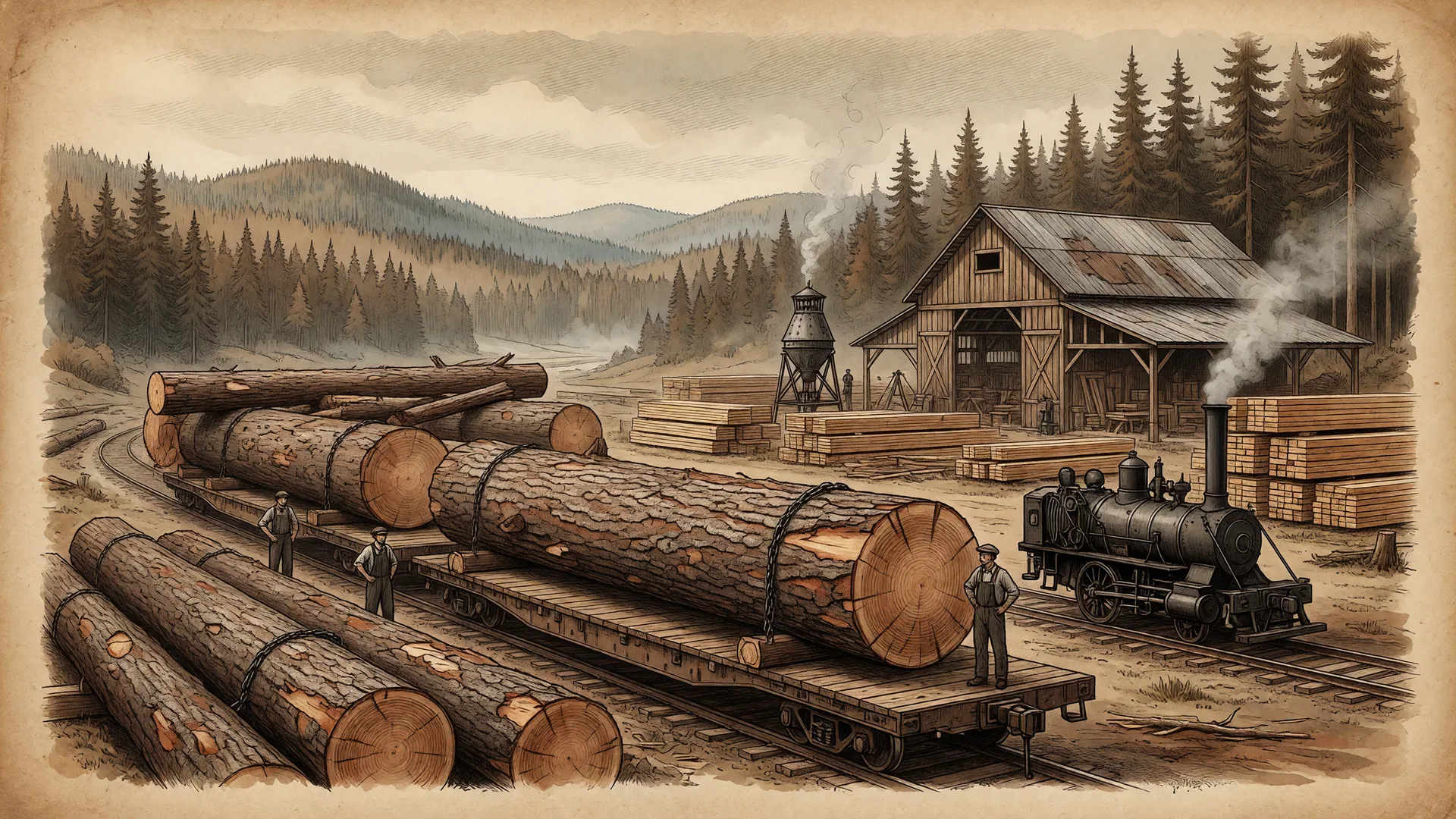
Then: Timber Defines the Economy
For much of the twentieth century, sawmills and logging operations were major employers.
Timber supported neighborhoods, downtown businesses and community institutions.
The industry became deeply connected to local identity.
Now: A More Diverse Economy
Timber remains part of the region's history and economy, but its role has changed.
Health care, education, government, agriculture, tourism and other services are important today.
Oregon Tech contributes a higher-education presence.
Medical services support residents across a broad geographic area.
The community continues adapting to changing economic conditions.
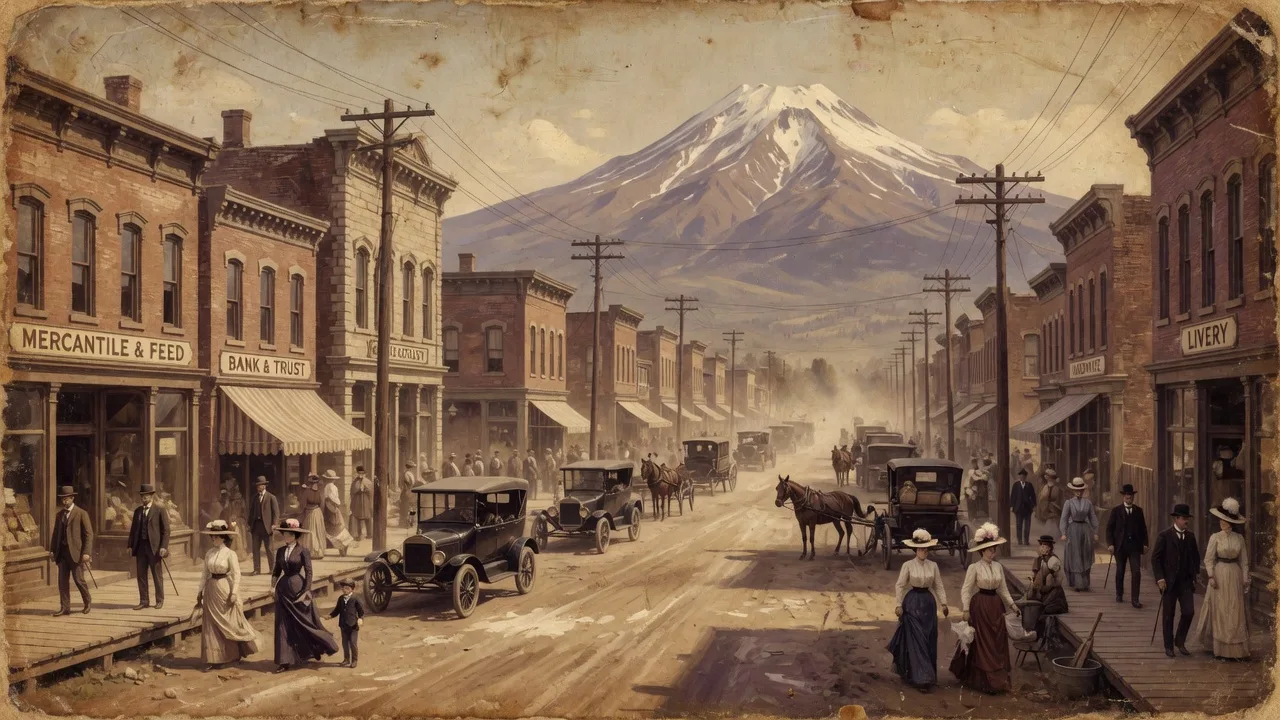
Then: Downtown Was the Center of Commerce
Historic downtown Klamath Falls served as a shopping, entertainment and business destination.
Hotels accommodated travelers.
Banks and offices supported commerce.
Theaters and restaurants provided social gathering places.
Now: Downtown Has a Different Role
Modern downtown retains historic architecture and community identity.
Commercial activity is more geographically distributed than it was during earlier periods.
Historic buildings may serve new purposes.
Preservation and revitalization efforts reflect continuing interest in maintaining downtown's character while adapting to contemporary needs.
Then: Homes Followed Industry
Early residential development was influenced by proximity to employment, commerce and transportation.
The railroad and timber industries attracted workers.
Neighborhoods expanded as families settled in the city.
Postwar development introduced additional housing styles and patterns.
Now: Buyers Have Different Choices
Modern Klamath Falls offers a range of housing environments.
Some buyers prefer established neighborhoods with older architecture.
Others seek newer homes, larger lots or rural acreage.
Properties outside city limits may offer agricultural surroundings or forested landscapes.
Each choice comes with different practical considerations.
Older homes may require system updates.
Rural properties may need well, septic, access and water-rights research.
Newer homes still require careful evaluation of construction quality, location and ongoing costs.
Then: Recreation Was Part of the Landscape
The region's lakes, rivers, forests and mountains have always influenced human activity.
Indigenous communities maintained deep relationships with these environments long before the development of modern recreation industries.
Later residents and visitors used the landscape for fishing, hunting, boating and other activities.
Now: Outdoor Recreation Is a Major Attraction
Today, the Klamath Basin offers access to remarkable outdoor opportunities.
Crater Lake National Park is one of the region's most famous destinations.
Upper Klamath Lake supports boating and other activities.
Wildlife refuges attract birdwatchers and photographers.
Forests and public lands provide opportunities for hiking, camping and exploring.
These resources are important to both quality of life and the regional visitor economy.
What Has Not Changed?
Despite enormous development, certain characteristics remain.
Klamath Falls still occupies a striking landscape where high desert, mountains, forests and water meet.
The region remains closely connected to agriculture and natural resources.
Its communities continue to serve people living across substantial rural distances.
And its history remains visible in buildings, roads, waterways and neighborhoods.
What Might the Future Look Like?
No one can predict every change ahead.
Housing needs may evolve.
Economic opportunities may shift.
Water management will continue to demand attention.
Infrastructure, education, health care and environmental conditions will influence future development.
The city will face challenges, just as earlier generations did.
But adaptation is already one of the strongest recurring themes in its history.
Klamath Falls has changed repeatedly without losing its geographic identity.
Living in a Place With a Story
For someone considering relocation, history can make the decision more meaningful.
A neighborhood is not simply a collection of houses.
It reflects generations of development.
A rural property is not merely acreage.
It exists within a landscape shaped by agriculture, water, transportation and land-use decisions.
A historic downtown building is not simply an older structure.
It may represent a period when the city was experiencing dramatic industrial growth.
Understanding these connections can help residents appreciate the community more deeply.
And for those already living here, the history provides a reminder that today's Klamath Falls is the result of many generations of work, conflict, change and resilience.
The city is not finished evolving.
The next chapter belongs to the people who live here now.
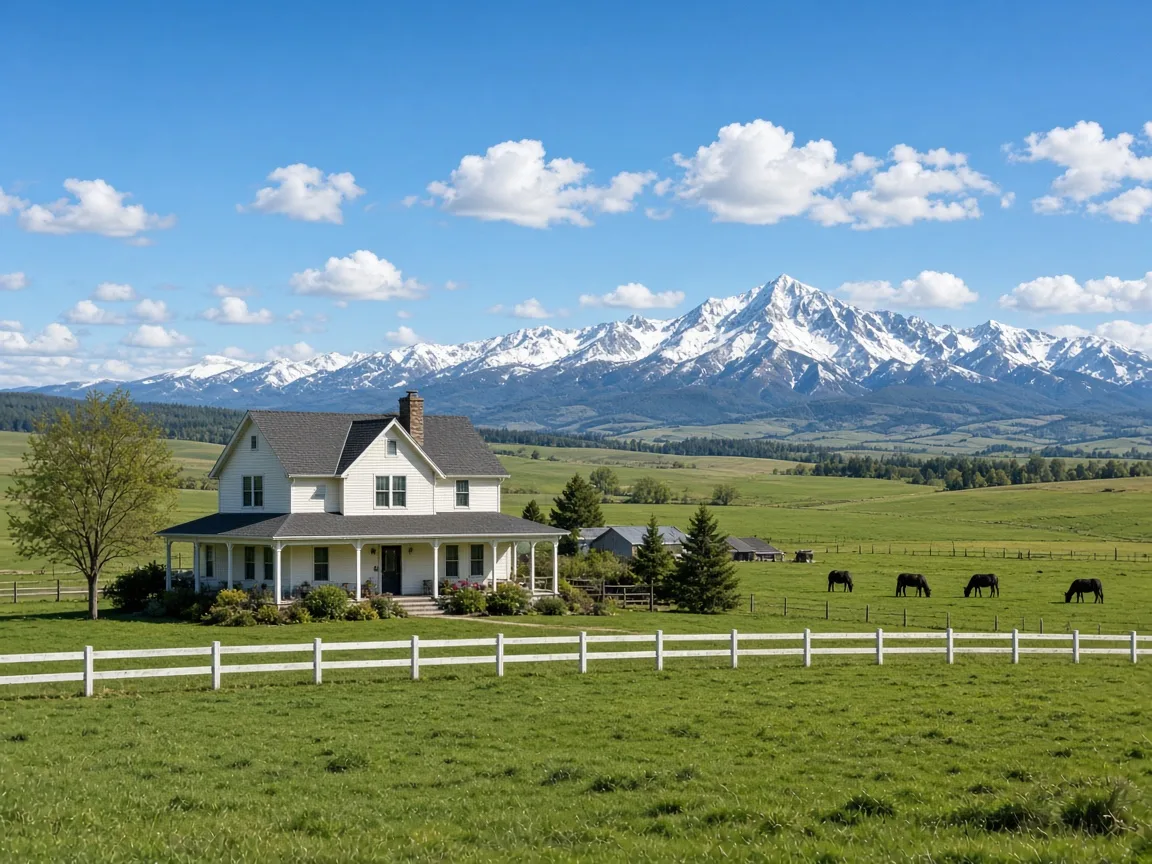
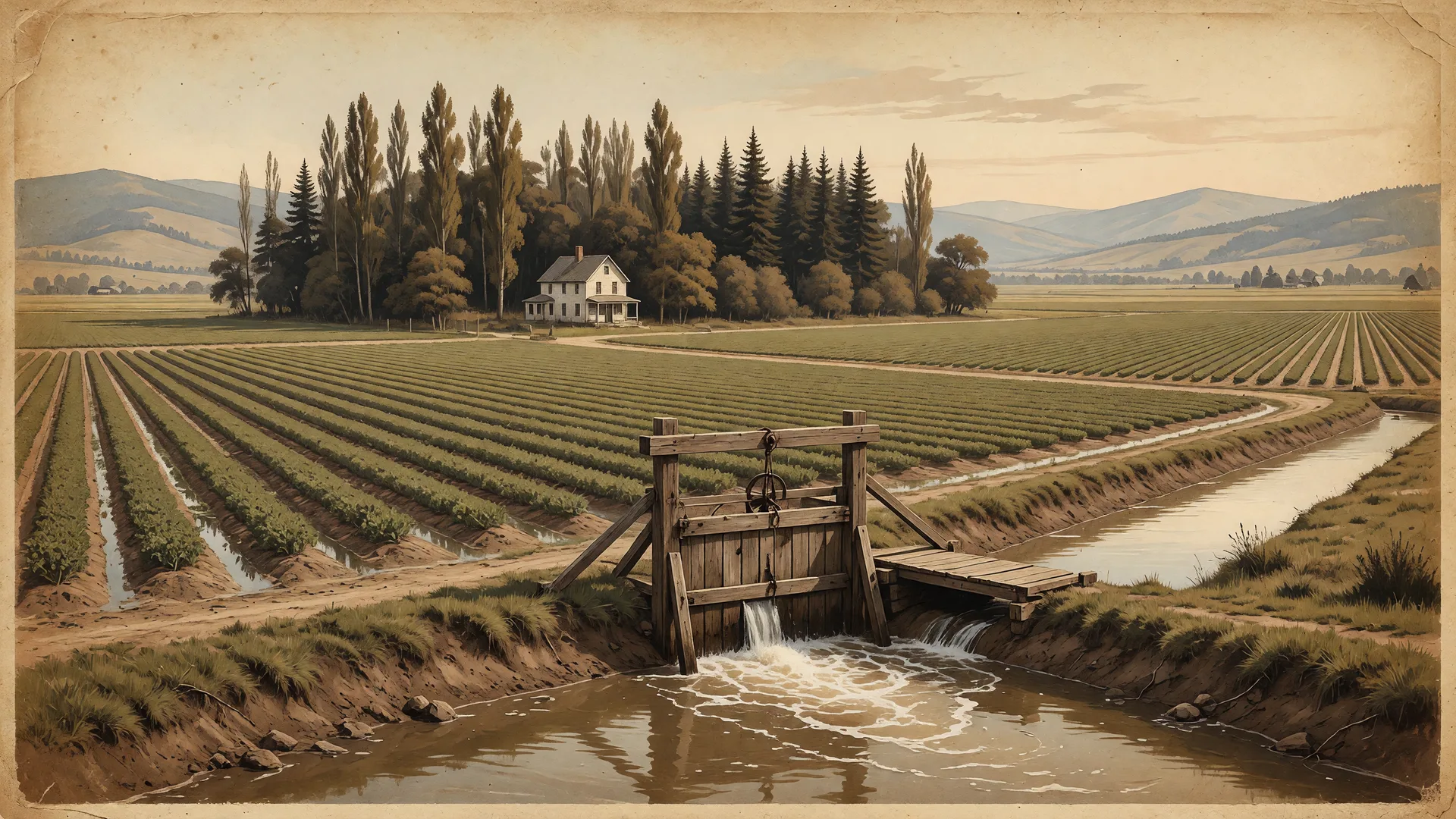
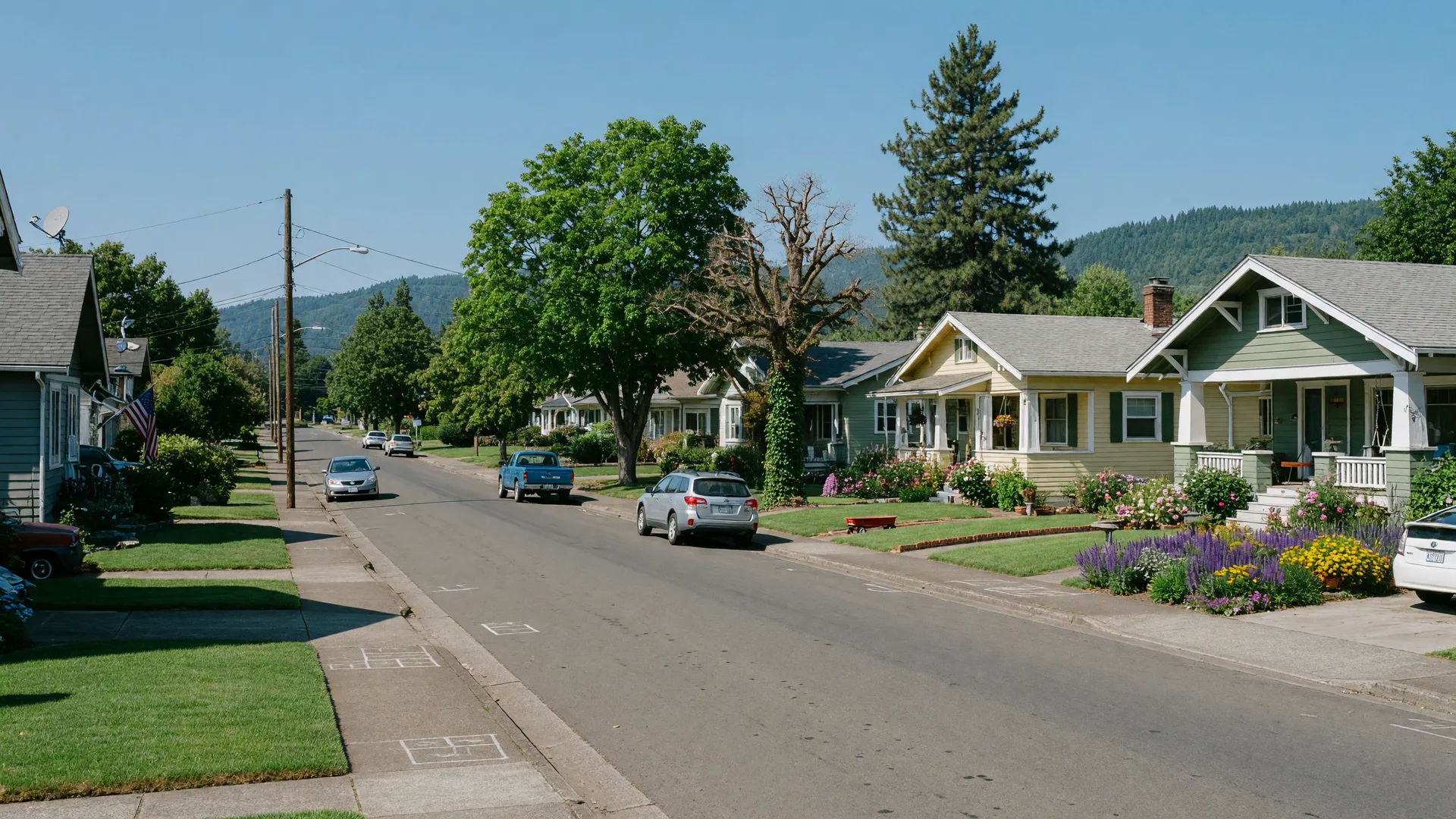
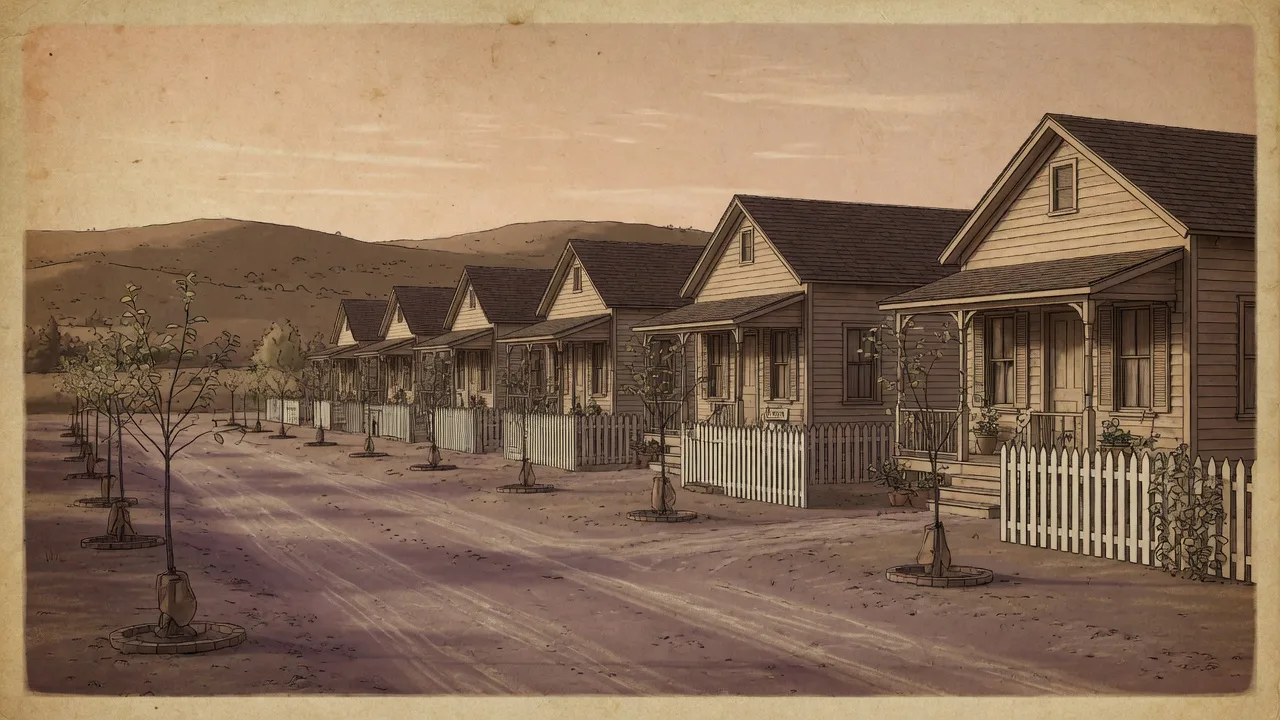
Then-and-now comparisons
Drag the slider, or operate it with a keyboard or touch screen, to compare the historic re-creation with the present-day image. Historic scenes are artistic re-creations labeled as illustrations, not archival photographs. For authentic archival collections, see the sources below.
Frequently Asked Questions
How has Klamath Falls changed over time?
It developed from a small river settlement into a regional center shaped by agriculture, railroads, timber, education, health care and other industries.
What industries were historically most important?
Timber, agriculture, transportation and regional commerce were especially significant.
What supports Klamath Falls today?
The economy includes health care, education, government, agriculture, commerce, tourism and other sectors.
Does Klamath Falls have historic neighborhoods?
Yes. Established residential areas reflect different periods of the city's development.
Why do people consider moving to Klamath Falls?
Reasons may include access to outdoor recreation, community scale, regional services, housing preferences and the surrounding natural environment. Individual priorities and property needs vary.
Explore More
This concludes Lincoln Home's first twenty-five-article historical collection.
Continue into the Indigenous History and Cultural Heritage collection to explore the deeper history of the Klamath Basin, including the Klamath Tribes, cultural traditions, historic displacement and continuing tribal sovereignty.
Readers interested in making Klamath Falls home can explore the Lincoln Home Relocation Center, Klamath Falls Community Guide, Buyers Resource Center and Property Search.
Sources and Further Reading
- Oregon Encyclopedia: Klamath Falls (city)
- Oregon Historical Society
- Klamath County Museums
- Bureau of Reclamation: Klamath Project
- Oregon Tech: History of Oregon Institute of Technology
- National Park Service: Crater Lake National Park
Historical claims in this article trace to the authoritative sources listed above. Illustrations are labeled as such and are not archival photographs.