
The railroad transformed Klamath Falls in 1909.
But another transportation revolution would eventually change the city just as profoundly.
The automobile gave residents greater flexibility in where they lived, worked, shopped and traveled.
As highways improved, the relationship between Klamath Falls and surrounding communities changed.
Before the Automobile Era
Early transportation depended on horses, wagons, ferries, stage routes and later railroads.
Travel could be slow and difficult.
Weather influenced road conditions.
Long distances made trips expensive in time and effort.
The railroad improved regional connections, but trains operated along fixed routes.
Automobiles offered a different kind of freedom.
The Growth of Motor Travel
As automobiles became more affordable and common, demand increased for better roads.
Communities invested in transportation infrastructure.
Road surfaces, bridges and routes gradually improved.
Motor vehicles made it easier for residents to travel directly between destinations.
This flexibility changed commerce and daily routines.
Highway 97 and Regional Connections
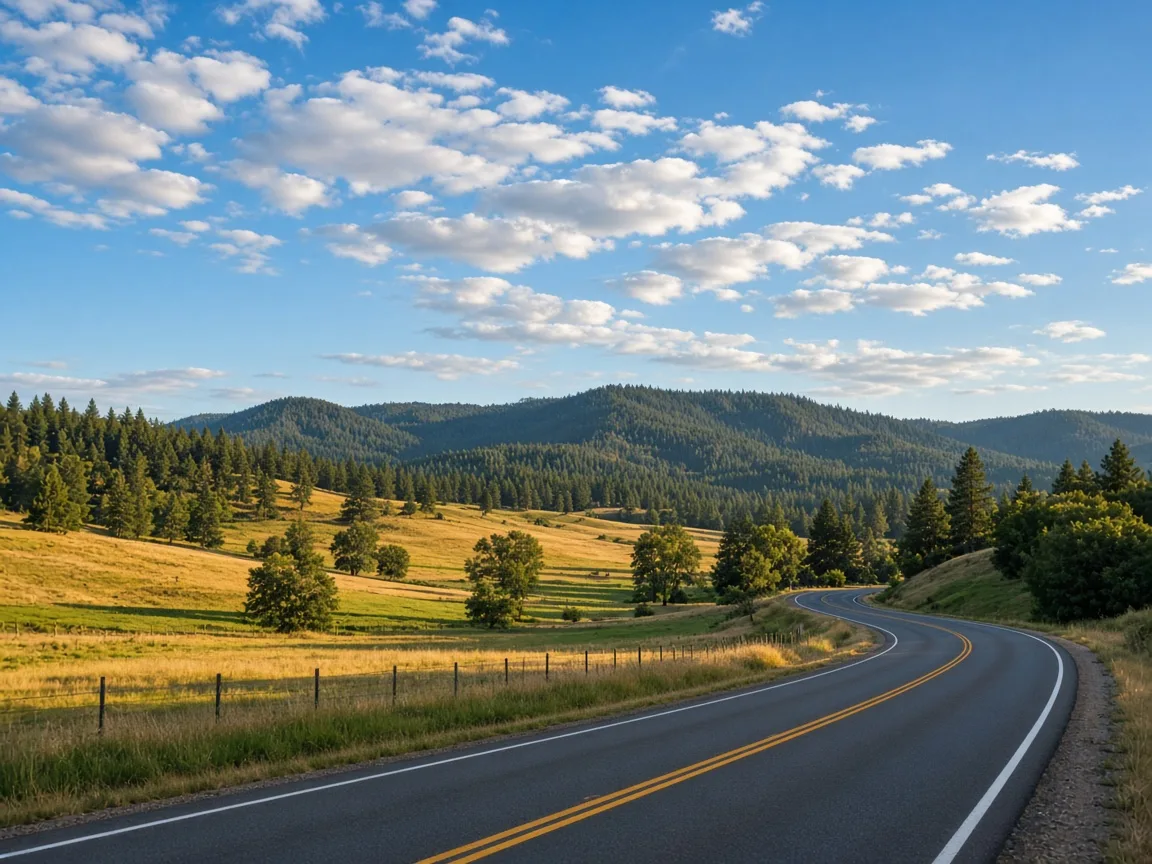
Highway 97 became a major north-south transportation corridor through Central and Southern Oregon.
For Klamath Falls, it provided important connections toward Bend and Northern California.
Other regional highways connected the city with Medford, Lakeview, Crater Lake and surrounding communities.
These routes helped support commerce, tourism and access to services.
Businesses Adapt
Automobile travel changed how businesses attracted customers.
Parking became important.
Roadside businesses developed.
Motels, service stations and restaurants served motorists.
Retail activity gradually became less dependent on traditional downtown pedestrian patterns.
These changes influenced commercial development throughout the city.
Neighborhoods Expand
Automobiles also affected housing.
Residents could live farther from employment centers while still commuting.
Garages, driveways and parking became increasingly important residential features.
Newer neighborhoods often reflected automobile-oriented planning.
The resulting differences remain visible when comparing older downtown-adjacent streets with later residential development.
Tourism and Recreation
Improved roads made regional recreation more accessible.
Visitors could travel to Crater Lake, lakes, forests and other attractions with greater flexibility.
Klamath Falls benefited from its position near important outdoor destinations.
Automobile tourism became part of the regional economy.
Winter Travel Still Matters
Modern highways are far more developed than early roads, but Southern Oregon weather remains a serious consideration.
Snow, ice, mountain passes and changing conditions can affect travel.
Residents should consult current transportation advisories and carry appropriate emergency supplies when traveling during winter.
For rural property buyers, year-round access deserves particular attention.
What Transportation Means for Relocation
A property that looks close to town on a map may require a longer drive than expected.
Road conditions, traffic patterns, elevation and winter weather can influence travel times.
Buyers should evaluate actual routes to employment, schools, medical care and shopping.
They should also verify road maintenance responsibilities for private or rural roads.
Transportation history explains how the region developed.
Modern transportation research helps determine whether a particular location fits a household's needs.
Frequently Asked Questions
What major highway serves Klamath Falls?
U.S. Highway 97 is a major north-south route.
Did automobiles change downtown commerce?
Yes. Automobile travel influenced shopping patterns, parking and commercial development.
Are winter road conditions important?
Yes. Weather can affect regional highways and rural roads.
What should rural buyers investigate?
Legal access, maintenance responsibilities, winter conditions and travel distances.
Explore More
Read Early Transportation Routes, Railroad History and Lincoln Home's Relocation and Rural Property guides.
Sources and Further Reading
Historical claims in this article trace to the authoritative sources listed above. Illustrations are labeled as such and are not archival photographs.