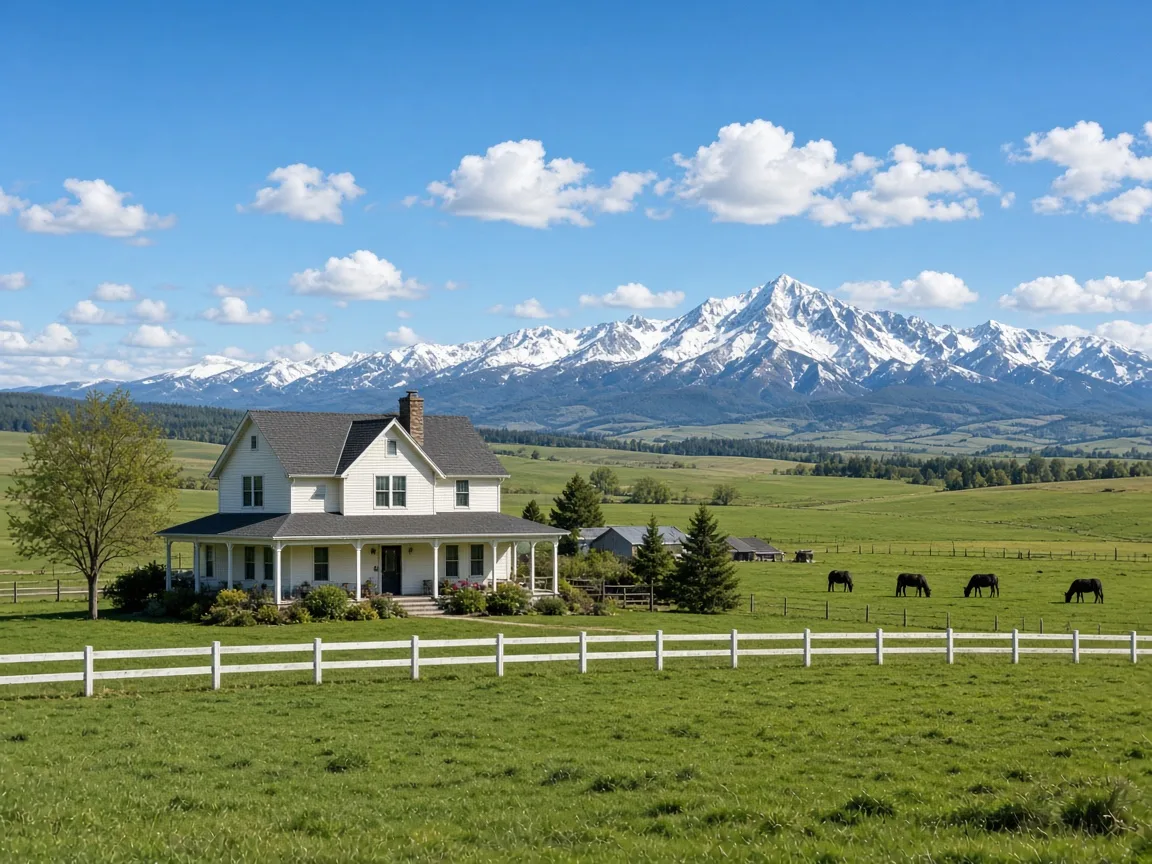
Home Value
Your home value is the price a willing buyer would pay today, shaped by recent comparable sales, current market conditions, and the specific features of your property. Beginning with a realistic discussion of value helps you decide whether to sell, what to fix, and how to price. Lincoln Homes can talk through value considerations for your Klamath County property directly.
Preparing to Sell
Preparation is what separates a smooth sale from a stressful one. Sellers typically start with repairs and cleanliness, decluttering, and curb appeal, then move on to documentation such as disclosure statements, past inspection reports, and maintenance records. For rural properties, gathering well and septic records, water rights documentation, and access information ahead of time pays off during due diligence.
Pricing Your Home
Pricing a home is an exercise in market evidence, not guesswork. Recent sales of comparable properties, pending sales, active competition, and the pace of the local market all influence the right list price. A well-calibrated price generates the most activity and, in many cases, the strongest offers.
Marketing Your Property
Effective marketing puts your property in front of the right buyers through the MLS, professional photography, brochures, and local and regional exposure. For Klamath Falls and rural Klamath County properties, marketing should reach both local buyers and out-of-area buyers relocating to Southern Oregon.
Seller Costs
Sellers generally pay real estate commissions, title and escrow fees, recording fees, and prorated property taxes, and they may negotiate other closing costs or concessions. Each transaction is different, so the best approach is to model your specific numbers with your broker before you commit to an offer.
Offers & Negotiation
When offers arrive, more than the price matters. Consider closing dates, contingencies, earnest money, financing terms, and any requested repairs or credits. Your broker helps you compare offers side by side and negotiate terms that work for your situation, whether that means a fast close, a clean cash deal, or flexibility on move-out dates.
Inspections & Repairs
After an offer is accepted, the buyer typically orders inspections, and the results come back to you for review. Some sellers complete repairs, some offer credits, and some adjust the price. Knowing what is reasonable and what is worth resisting comes from experience with real estate contracts and real inspection reports.
Appraisal Process
Most financed purchases include an appraisal ordered by the buyer lender. The appraiser compares your home with recent sales to determine market value. If the appraisal comes in at or above the contract price, the transaction proceeds; if it comes in below, the parties negotiate a resolution such as a price adjustment.
Closing Process
Closing is the final exchange of funds, documents, and ownership. The escrow company coordinates title work, the payoff of your existing loan, prorations, and the recording of the deed. Reviewing your closing statement line by line ensures you understand every credit and charge before you sign.
Selling Rural Property
Rural and acreage properties sell on their own timeline and attract a specialized buyer. Documentation matters: well and septic records, water rights, legal access and easements, tax details, and an honest description of the land and its uses. Pricing rural property also requires comparing truly comparable sales, not just nearby homes.
Pricing Strategy, Preparation and Net Proceeds
A successful sale starts with a realistic pricing strategy, thoughtful preparation and an understanding of the money likely to remain after closing. Listing price and seller net proceeds are not the same figure. Review comparable sales with a local agent and consider condition, property type, acreage, access and buyer demand. Prioritize repairs that affect safety, financing or first impressions before undertaking expensive cosmetic work without a clear return.
A Worked Example: From $300,000 to Net Proceeds
A seller who contracts at $300,000 and owes $175,000 does not automatically receive $125,000. Brokerage compensation, negotiated concessions, escrow and title costs, recording expenses, prorations, repairs and other obligations can reduce the final amount. Request a detailed net estimate, then update it as offer terms change.
Disclosures, Contract Requirements and Realistic Timing
Oregon seller disclosure obligations and contract requirements should be reviewed with the appropriate professionals. Avoid promising a closing date until financing, title and recording conditions are satisfied. Use the seller net proceeds calculator, request a Property DNA report and discuss a pricing plan with Lincoln Homes before you commit to an offer.