
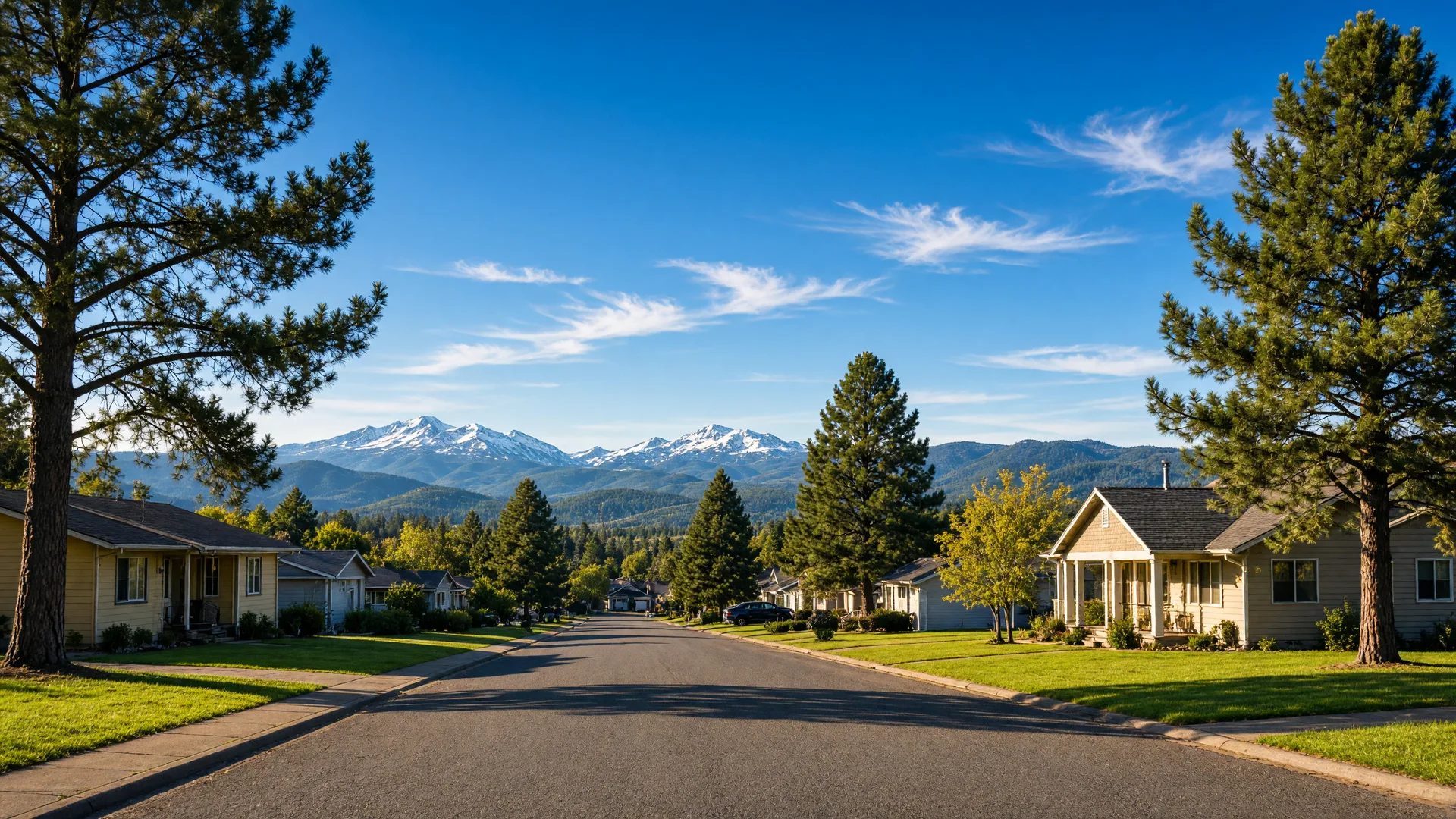
A bright Klamath Falls residential street on a sunny morning, with single-story homes, green lawns, and Cascade foothills in the distance.
Buying a home is a major decision.
Buying a home in a city where you don't currently live adds another level of complexity.
You may be coordinating a job transfer, selling a home in another state, planning a retirement move, or simply looking for a different lifestyle in Southern Oregon.
Whatever brings you to Klamath Falls, the distance between your current home and your future one shouldn't prevent you from exploring your options.
Modern technology allows buyers to research properties, attend virtual showings, review documents, communicate with lenders, and complete many parts of a transaction without being physically present.
But technology is only part of the equation.
When you're purchasing a property from a distance, the quality of your local representation matters.
You need someone who understands what you're looking for, communicates clearly, follows through on questions, and helps you identify the details that photographs and listing descriptions cannot fully explain.
That's why your relationship with Matt at Lincoln Home is an important part of the remote home-buying process.
Can You Buy a House in Oregon Without Being There in Person?
Yes. Many aspects of a home purchase can be handled remotely.
Buyers can often review listings online, tour homes by video, communicate electronically, sign eligible documents, and coordinate inspections from another location.
However, remote purchasing does not mean every transaction can be completed entirely online.
Your lender, title company, escrow or settlement provider, and the type of documents involved may affect which steps require physical signatures, notarization, or other arrangements.
Some buyers choose to visit the property before making an offer. Others schedule an inspection visit or final walkthrough.
The important thing is to understand your options and make informed decisions rather than assuming every step will happen automatically.
The process at a glance
The Ten-Step Remote Home Buying Process
Each numbered step below links to its full section in this guide.
- 1 Conversation About Priorities Step 1
- 2 Understand the Communities Step 2
- 3 Get Financing Organized Early Step 3
- 4 Online Listings as a Starting Point Step 4
- 5 Request a Live Virtual Tour Step 5
- 6 Research the Property Beyond Photos Step 6
- 7 Make an Offer With Clear Terms Step 7
- 8 Arrange Professional Inspections Step 8
- 9 Coordinate Appraisal/Financing/Title/Closing Step 9
- 10 Final Walkthrough & Possession Step 10
Step 1: Start With a Conversation About Your Priorities
Before looking at dozens of listings, talk with Matt about what you actually want from your move.
That conversation should go beyond bedrooms, bathrooms, and price.
Are you looking for a home close to everyday amenities? A property with acreage? A retirement home? A place for horses or other animals? A home with room for a workshop? Something near outdoor recreation?
How important is internet service?
Will you commute to work?
Do you prefer a conventional neighborhood or a more rural setting?
Do you have a firm relocation date?
Are you selling another property before purchasing?
The answers help narrow your search and reduce the risk of spending time on homes that look attractive online but don't meet your practical needs.
A good remote search begins with a clear understanding of the buyer, not simply a list of available properties.
Step 2: Understand the Different Communities Around Klamath Falls
Klamath County includes a variety of communities and property types.
Klamath Falls offers established residential neighborhoods and access to shopping, healthcare, schools, and services.
Running Y is associated with golf and resort-style amenities.
Keno, Chiloquin, Merrill, Malin, Bonanza, Bly, Fort Klamath, and other communities offer different combinations of rural living, small-town environments, recreation, and agricultural surroundings.
The right location depends on your preferences, budget, and daily needs.
If you're considering Northern California communities such as Tulelake, property searches and transactions may involve different state-specific requirements.
When researching remotely, pay attention to more than the listing's mailing address.
Ask about the property's actual location, travel distances, utility services, road access, and relevant property characteristics.
Step 3: Get Financing Organized Early
If you're financing your purchase, speak with a lender before beginning a serious property search.
A lender can help you understand your estimated purchasing range, down payment, cash requirements, and available loan programs.
If you're moving for a new job, changing employment arrangements, or planning to work remotely, discuss those circumstances with the lender.
Employment and income documentation can affect underwriting, particularly when a relocation involves a job change.
If you're purchasing rural property, a manufactured home, or a property with unusual characteristics, discuss the property type with your lender early.
Not every loan program or lender handles every property in the same way.
Preapproval is not a guarantee of final loan approval, but it can help you prepare to make an offer when you find the right property.
Step 4: Use Online Listings as a Starting Point
Online property listings are incredibly useful, but they have limitations.
Professional photography can make rooms appear larger or brighter.
Wide-angle lenses can affect how spaces look.
Photographs may not fully communicate a property's condition, surrounding land, road access, or proximity to neighboring structures.
Listing descriptions may also omit details that matter to you personally.
Use online listings to identify possibilities, then ask questions.
How old is the roof?
What is the heating system?
Does the property have municipal water or a well?
Is it connected to public sewer or a septic system?
Are there HOA fees or recorded restrictions?
What is known about internet service?
Are there visible maintenance concerns?
A listing should begin your research, not end it.
Step 5: Request a Live Virtual Home Tour
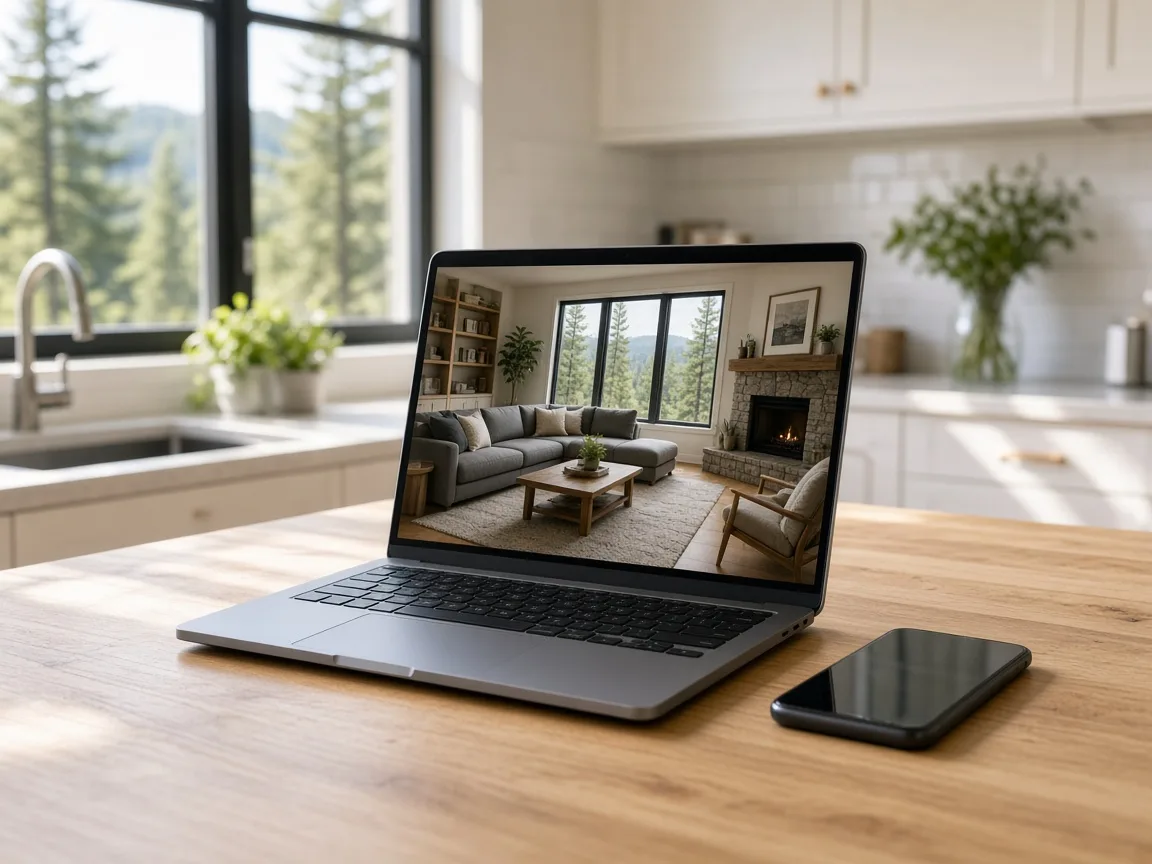
One of the most useful tools for remote buyers is a live video tour.
A prerecorded listing video may show the property's highlights, but a live tour allows you to ask questions in real time.
Matt can discuss available showing arrangements and help you determine whether a live virtual tour is appropriate for the property.
During a tour, ask to see more than the beautifully staged rooms.
Consider requesting views of:
- The property's exterior from multiple angles
- The driveway and access
- The garage and storage areas
- The kitchen, bathrooms, and utility areas
- Ceilings, floors, windows, and visible finishes
- The yard and boundaries as reasonably observable
- Outbuildings and additional structures
- Heating and cooling equipment
- Areas where visible maintenance concerns may exist
For rural properties, you may also want to discuss wells, septic infrastructure, fencing, road conditions, and the surrounding land.
A video tour is not a professional property inspection, and it cannot establish the condition of hidden systems.
Its purpose is to help you better understand the property before deciding what to do next.
Step 6: Research the Property Beyond the Photographs
Remote buyers should be especially thoughtful about property due diligence.
A home may look perfect online but have characteristics that require additional investigation.
Depending on the property, important questions may involve:
- Property boundaries: What do recorded documents and available surveys show?
- Title: Are there recorded easements, liens, or other matters affecting ownership?
- Water: Is the property connected to a public system or served by a private or shared well?
- Wastewater: Does it have municipal sewer service or an on-site septic system?
- Access: Is the property reached by a public road, private road, or recorded easement?
- Insurance: Are appropriate insurance options available for the property?
- Land use: Are your intended uses consistent with applicable zoning and restrictions?
- Internet: Can the provider confirm service at the actual address?
- HOA or CC&Rs: Are there governing documents, fees, or restrictions?
These considerations are particularly important when purchasing rural acreage or property outside the city.
Lincoln Home's educational resources can help you learn which questions to ask, while the appropriate inspectors, title professionals, lenders, and government agencies can provide specialized information.
Step 7: Make an Offer With a Clear Understanding of the Terms
Once you find a property that fits your needs, Matt can discuss the offer process and help you understand the practical considerations of making an offer from a distance.
Your offer may address the purchase price, earnest money, financing, inspections, closing date, possession, and other negotiated terms.
The exact contract provisions and available contingencies depend on the transaction.
Before signing, understand what you're agreeing to and the deadlines involved.
Remote buyers should pay particular attention to inspection periods, document delivery, lender requirements, and the timing of any planned travel.
Electronic signatures may simplify the process for documents that can legally and appropriately be signed electronically.
Step 8: Arrange Professional Inspections
A live video tour can help you evaluate whether a home interests you.
It cannot replace professional inspections.
A home inspector may identify visible defects or conditions that deserve additional evaluation.
Depending on the property, buyers may also consider specialized inspections or evaluations involving:
- Roofs
- Foundations
- Electrical systems
- Plumbing
- Heating and cooling
- Wells and water quality
- Septic systems
- Pest or wood-destroying organism concerns
- Chimneys and wood-burning appliances
- Outbuildings
- Other property-specific systems
Inspection scope, access, and contractual rights should be discussed before scheduling.
If you cannot attend an inspection in person, ask the inspector about a detailed written report, photographs, and an opportunity to discuss findings by phone or video.
Read the complete report.
Don't assume that a brief verbal summary captures every concern.
Step 9: Coordinate Appraisal, Financing, Title & Closing
If you're obtaining a mortgage, your lender will guide you through underwriting and any required appraisal.
The title and escrow professionals involved in the transaction will coordinate applicable documents and closing requirements.
Ask early whether your closing can be handled remotely.
Depending on the transaction and participating institutions, arrangements may involve electronic document review, a mobile notary, a local signing appointment, or other approved procedures.
Remote online notarization may be available for certain transactions, but it should not be assumed to be available or accepted for every document or lender.
Wire fraud warning: Real estate transactions are frequent targets of payment-instruction fraud. Before sending funds, independently confirm wiring instructions using a trusted phone number obtained separately from the payment email. Do not rely on an unexpected email, text, or changed instructions.
Your closing team should explain how funds, documents, recording, and possession will be coordinated.
Step 10: Plan Your Final Walkthrough and Possession
Before closing, buyers commonly have an opportunity to complete a final walkthrough consistent with their contract.
The purpose is generally to review the property's condition and address relevant contractual expectations, not to replace the original inspection.
If you're unable to attend in person, discuss available arrangements with Matt.
Ask how keys, garage remotes, access codes, and other property information will be transferred after the appropriate closing and possession conditions are satisfied.
Do not schedule movers to enter the property before you are entitled to possession.
What Makes Remote Buying Different in Klamath County?
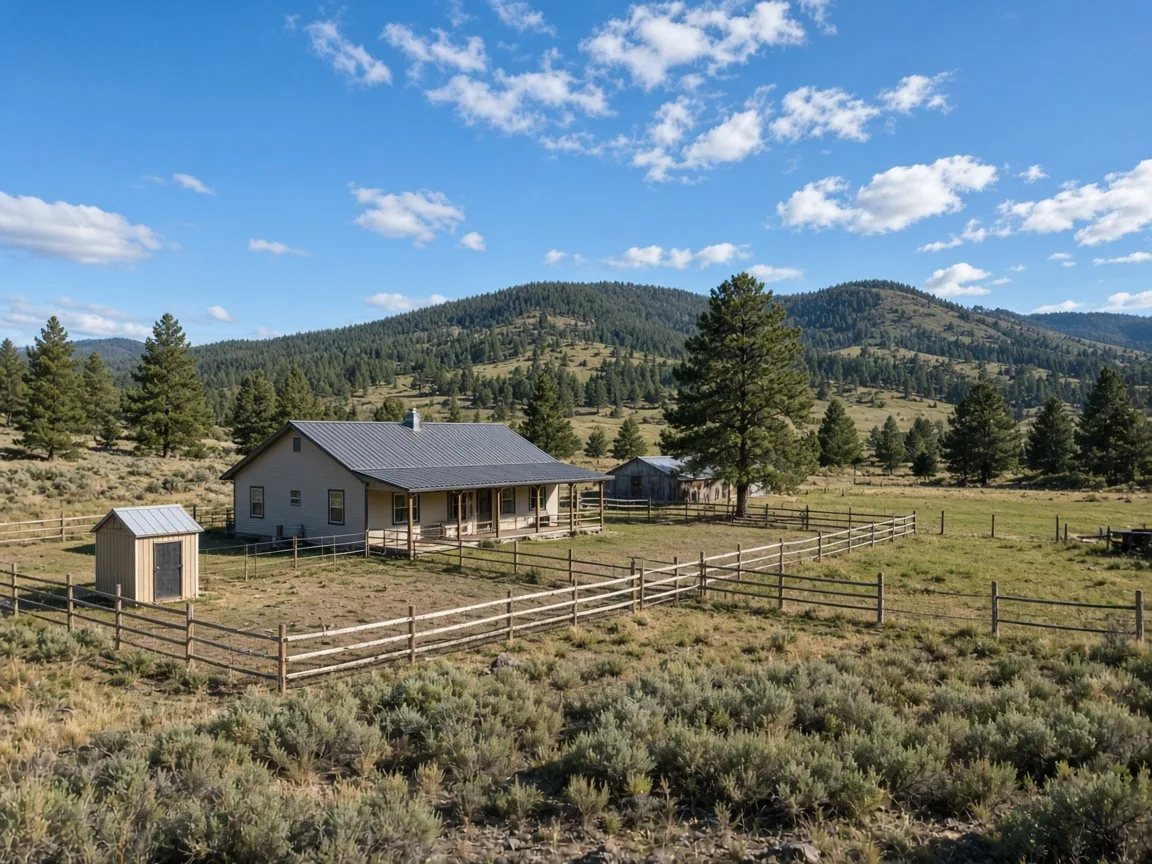
Klamath County offers a range of housing options, from in-town homes to rural acreage and recreational properties.
That variety is part of the area's appeal.
It also means the questions you ask may differ substantially from one listing to another.
A home within Klamath Falls may have public utilities, established roads, and relatively convenient access to services.
A rural property may have a private well, septic system, propane, agricultural infrastructure, and longer travel distances.
Neither property type is inherently better.
The right choice depends on how you want to live and what responsibilities you're comfortable taking on.
When purchasing from a distance, having someone local who understands those differences can help you ask more useful questions and organize appropriate due diligence.
Why Communication Matters When You're Buying From Another State
When you live nearby, you may be able to drive past a property, attend a showing, or meet your agent on short notice.
When you live hundreds of miles away, you depend more heavily on communication.
You need to know when a property becomes available, what the next step is, and whether important questions have been answered.
You also need realistic expectations about what an agent can observe personally and what requires an inspector or another qualified professional.
The most valuable relationship is one built on clear communication, practical guidance, and follow-through.
Matt at Lincoln Home can be your local point of contact as you explore Klamath Falls and the surrounding area.
Tell him what matters most to you.
Explain what you're worried about.
Ask the questions that may seem small but could affect your everyday life.
Your priorities should guide the search.
Interactive checklist
A Remote Buyer's Checklist
Work through the checklist below. Checked items are saved only in this browser on this device, so your progress is not sent anywhere and is not synced to an account.
Before Searching
While Reviewing Homes
Under Contract
Before Moving In
Progress is stored on this device only. Clearing your browser data for this site removes it.
Frequently Asked Questions About Remote Home Buying
Can I buy a home in Klamath Falls without traveling to Oregon?
It may be possible to complete much of the transaction remotely. The ability to complete every step without traveling depends on the property, lender, transaction documents, and closing arrangements.
Can Matt show me a home through video?
Contact Matt to discuss live virtual showings and other ways to evaluate available properties while you're out of the area.
Should I buy a house without seeing it in person?
That is a personal decision involving risk tolerance, due diligence, and property-specific circumstances. A live video tour and professional inspections can provide valuable information, but neither reproduces every aspect of visiting a property yourself.
How do home inspections work when I'm out of state?
You can often arrange for an inspector to evaluate the property and provide a written report with photographs. Ask whether the inspector can review findings with you by phone or video.
Can I sign closing documents remotely?
Some documents may be signed electronically, while others may require notarization or another approved signing procedure. Confirm arrangements with your lender and closing team early.
What should I investigate when buying rural property remotely?
Pay attention to water sources, septic systems, road access, utilities, internet service, easements, zoning, property condition, and any specialized infrastructure.
Is buying remotely more expensive?
Not necessarily, but additional travel, inspections, document-signing arrangements, or other transaction expenses may arise. Ask your lender and closing team for transaction-specific estimates.
Should I buy before relocating or rent first?
Both approaches can work. The right choice depends on your familiarity with the area, budget, timeline, housing needs, and comfort level with remote decisions.
Related reading
Your Trusted Local Connection in Klamath Falls
When you're relocating, you deserve more than someone who sends you property listings.
You deserve a real conversation about what you're looking for and how you want to live.
Whether you're moving from California, Nevada, the East Coast, or somewhere else entirely, Matt at Lincoln Home can help you begin exploring Southern Oregon with a local perspective.
Ask questions. Share your priorities. Talk about your timeline.
And when you're ready to explore available homes, you'll have a local real estate professional to contact.