
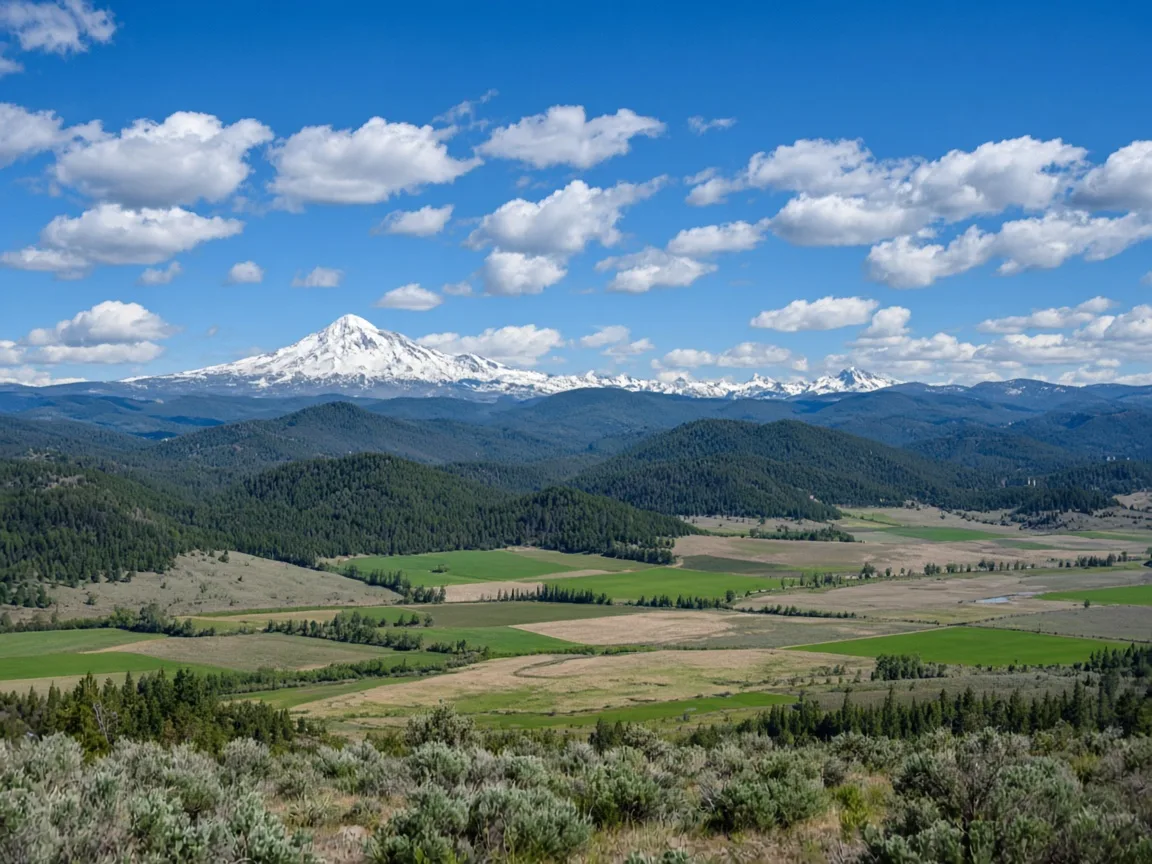
Klamath Basin wetlands at dawn, a productive landscape for wildlife photography.
There is a particular kind of frustration that wildlife photographers understand.
You spend an hour getting your camera settings just right.
You find beautiful light.
You position yourself somewhere completely reasonable.
And then the bird turns around.
Wildlife photography requires patience, a sense of humor, and a willingness to accept that animals have absolutely no interest in your artistic vision.
Fortunately, the Klamath Basin offers a remarkable variety of habitats to explore.
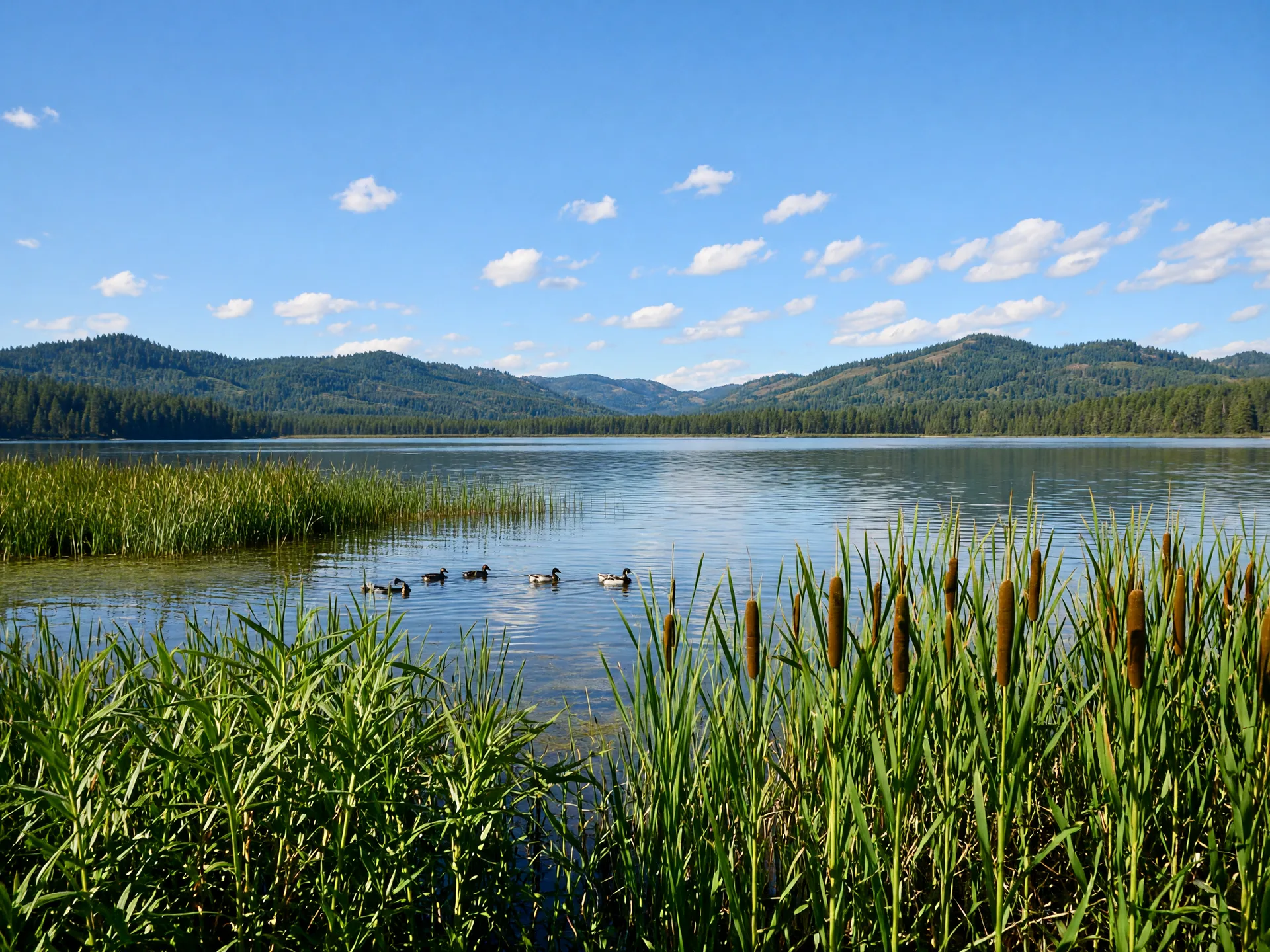
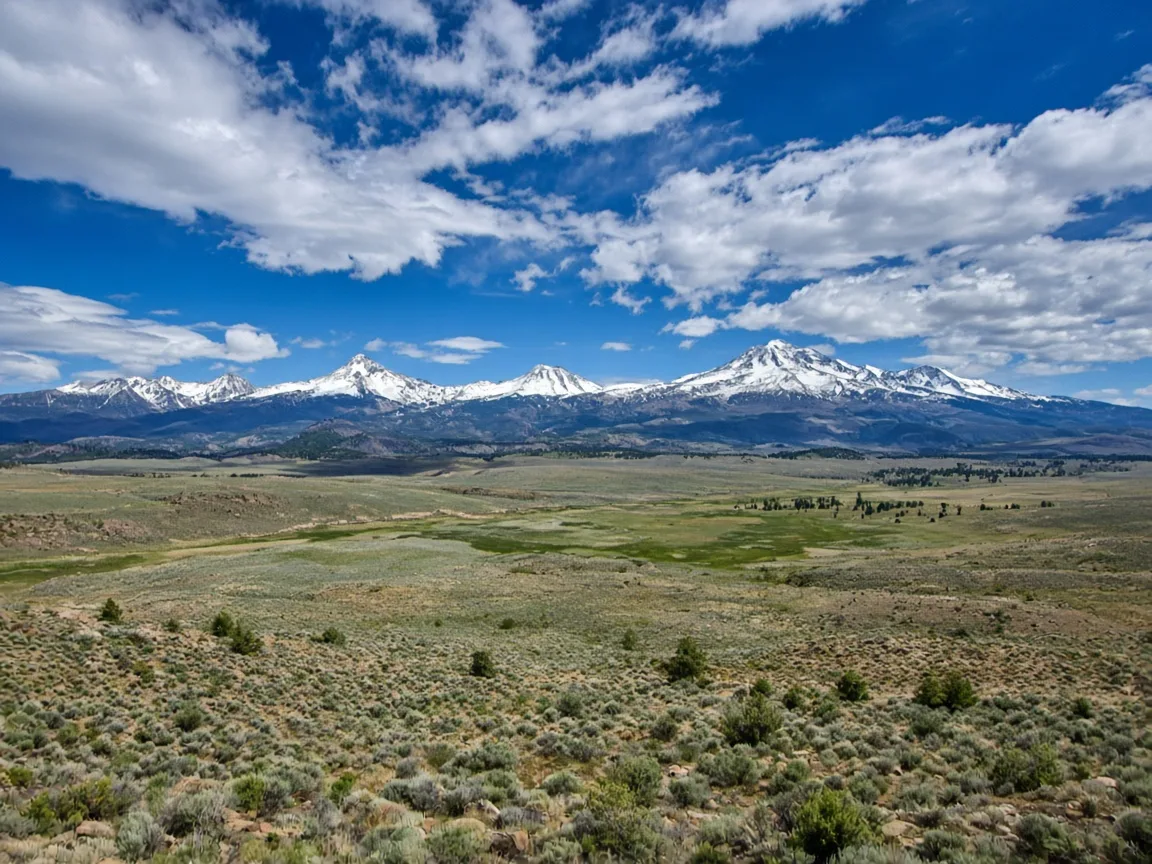
Lower Klamath National Wildlife Refuge
Lower Klamath is a logical starting point for photographing waterfowl, raptors, and wetland landscapes.
Look for opportunities along authorized viewing routes.
Early and late light can create dramatic reflections and emphasize the textures of reeds, open water, and distant mountains.
Water conditions influence where wildlife congregates, so check current refuge information.
Tule Lake National Wildlife Refuge
Tule Lake combines wildlife habitat with expansive agricultural and volcanic landscapes.
Photographers can experiment with environmental portraits—images that show an animal within its larger habitat rather than filling the frame with feathers or fur.
These photographs often communicate more about the region than a tightly cropped portrait.
Upper Klamath Lake and Surrounding Wetlands
Upper Klamath Lake offers opportunities to photograph waterbirds, marsh vegetation, and expansive skies.
Wind and changing light can dramatically alter the appearance of the water.
If photographing from a boat or kayak, safety takes priority over equipment.
Protect cameras from moisture, wear appropriate flotation equipment, and avoid approaching nesting areas.
Forest and Meadow Environments
The forests and meadows around Klamath County offer opportunities to photograph deer, squirrels, woodpeckers, and other wildlife.
Unlike open wetlands, forest photography often requires working with limited light and obstructed sightlines.
A quiet approach and knowledge of animal behavior are more valuable than constantly moving in search of something dramatic.
Equipment That Actually Helps
A telephoto lens allows photographers to maintain distance from wildlife.
Binoculars can help locate subjects before setting up equipment.
A monopod or tripod may improve stability where their use is permitted and doesn't obstruct other visitors.
Bring spare batteries, weather protection, and enough storage for an unexpectedly productive outing.
Ethical Photography
Never bait wildlife, disturb nests, or pressure animals to move into better light.
Avoid sharing precise locations of sensitive nests or rare species when disclosure could increase disturbance.
Drones may be restricted or prohibited, particularly in wildlife refuges.
Verify the rules before flying.
The goal is to photograph natural behavior, not manufacture it.
Photography and the Klamath Lifestyle
Wildlife photography is one of many hobbies that make the Klamath Basin appealing to outdoor enthusiasts.
Explore nearby communities and properties based on the places you enjoy visiting.
Frequently Asked Questions
What is the best time of day for wildlife photography?
Early morning and late afternoon often provide attractive light, although species behavior and weather are equally important.
Do I need a professional camera?
No. Binoculars, a smartphone, and patience can produce enjoyable results, particularly for landscapes and larger wildlife.
Can I use a drone at a wildlife refuge?
Do not assume drone use is allowed. Check specific refuge and aviation regulations.
Sources and Further Reading
Conditions, access, weather, water quality, fees, and regulations can change. Verify current information with the managing agency and the official sources above before traveling.
Related reading
Wildlife photography is one of many hobbies that make the Klamath Basin appealing to outdoor enthusiasts. Explore nearby communities and properties based on the places you enjoy visiting.
Lincoln Home never implies a property offers guaranteed wildlife sightings, hunting access, water rights, development rights, or public-land access. Verify each of these independently for any specific parcel.