
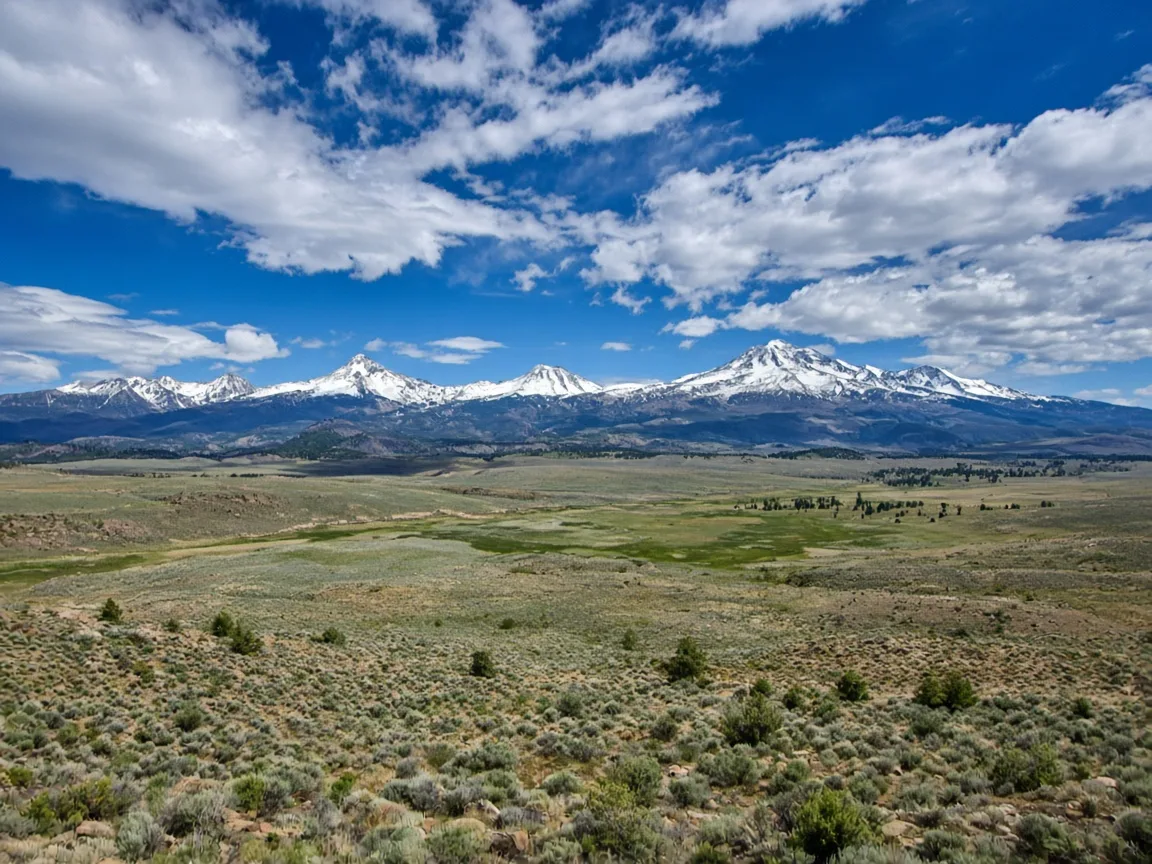
Tule Lake wetlands with open water, agricultural land, and a distant volcanic landscape.
The drive into the Tule Lake area introduces visitors to a landscape that feels both expansive and deeply connected to its history.
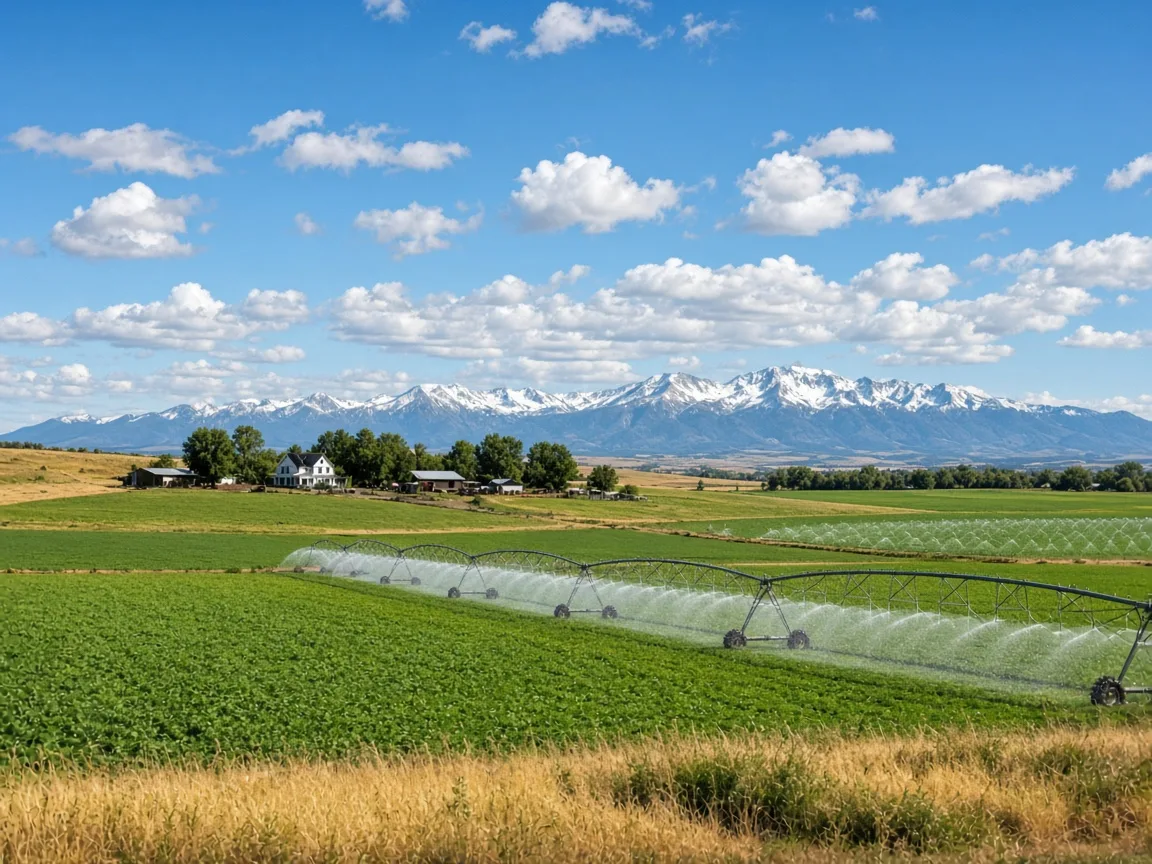
Agricultural fields, volcanic terrain, open skies, and wetland habitat create a distinctive setting.
Birds move between water and land, while distant mountains frame the horizon.
Tule Lake National Wildlife Refuge is an important destination for people interested in wildlife, but it's also a place where natural and human history overlap.
A Refuge Established in 1928
President Calvin Coolidge established Tule Lake National Wildlife Refuge in 1928 to protect habitat for wild birds and animals.
Today, the refuge forms part of the six-refuge Klamath Basin complex.
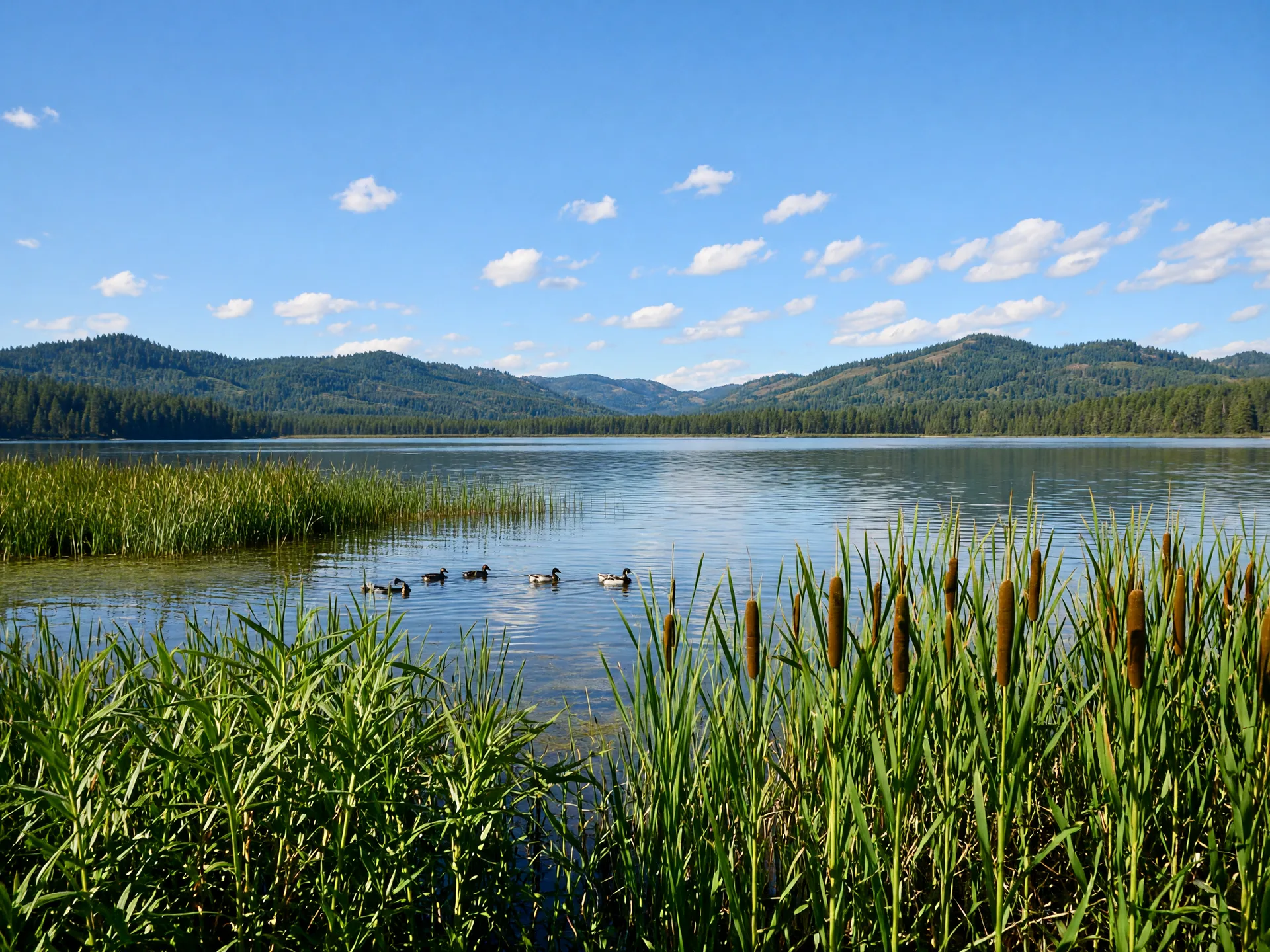
Its wetlands remain important to migratory birds despite extensive changes to the historical landscape.
Wildlife in a Changing Landscape
Waterfowl are among the refuge's best-known inhabitants.
Depending on season and habitat conditions, visitors may also encounter shorebirds, pelicans, raptors, and other species.
A useful approach is to watch the edges of different habitats.
Birds may feed in shallow water, rest on exposed ground, or move between wetlands and nearby fields.
The diversity of habitat often makes a visit more interesting than simply searching for one famous species.
More Than a Wildlife Destination
The Tule Lake region has a complicated history involving Indigenous communities, agricultural settlement, water management, and the incarceration of Japanese Americans during World War II.
The nearby Tule Lake National Monument preserves important history associated with the Tule Lake Segregation Center and Camp Tulelake.
Visitors interested in the full story of the region should consider learning about both the wildlife refuge and the national monument.
Recognizing difficult history doesn't diminish the beauty of the landscape.
It makes our understanding of the place more complete.
Tips for a Rewarding Visit
Check refuge access before traveling.
Bring binoculars, water, and layers of clothing.
The landscape is exposed, and wind or temperature changes can make conditions uncomfortable even on otherwise pleasant days.
Use designated viewing areas and avoid entering agricultural fields or sensitive habitat without permission.
Conservation and Agriculture
Tule Lake illustrates the complicated relationship between wetlands and working agricultural landscapes.
Land and water management decisions influence wildlife habitat, while agriculture remains an important part of the surrounding economy.
Conservation solutions require understanding those overlapping interests rather than pretending the landscape serves only one purpose.
Exploring the Region
The Klamath Basin's outdoor opportunities extend across the Oregon–California border.
Lincoln Home's property resources focus on verified service areas and help prospective residents understand the communities of Southern Oregon.
Frequently Asked Questions
Is Tule Lake in Oregon or California?
Tule Lake National Wildlife Refuge is in northeastern California, near the Oregon border.
What birds are commonly associated with the refuge?
Waterfowl, shorebirds, pelicans, and raptors are among the groups visitors may encounter.
Can visitors combine wildlife and history on one trip?
Yes. The region offers wildlife viewing and significant historical resources, although operating schedules and access should be checked separately.
Sources and Further Reading
- Tule Lake National Wildlife Refuge, U.S. Fish and Wildlife Service
- Tule Lake National Monument, National Park Service
Conditions, access, weather, water quality, fees, and regulations can change. Verify current information with the managing agency and the official sources above before traveling.
Related reading
Lincoln Home's property resources focus on verified service areas and help prospective residents understand the communities of Southern Oregon.
Lincoln Home never implies a property offers guaranteed wildlife sightings, hunting access, water rights, development rights, or public-land access. Verify each of these independently for any specific parcel.