
Expansive Klamath Basin wetlands at dawn, habitat for migratory birds and wildlife.
Some places are famous for their skylines. Others are known for beaches, restaurants, or entertainment districts. The Klamath Basin has something different: a landscape where the natural world remains an unmistakable part of everyday life.
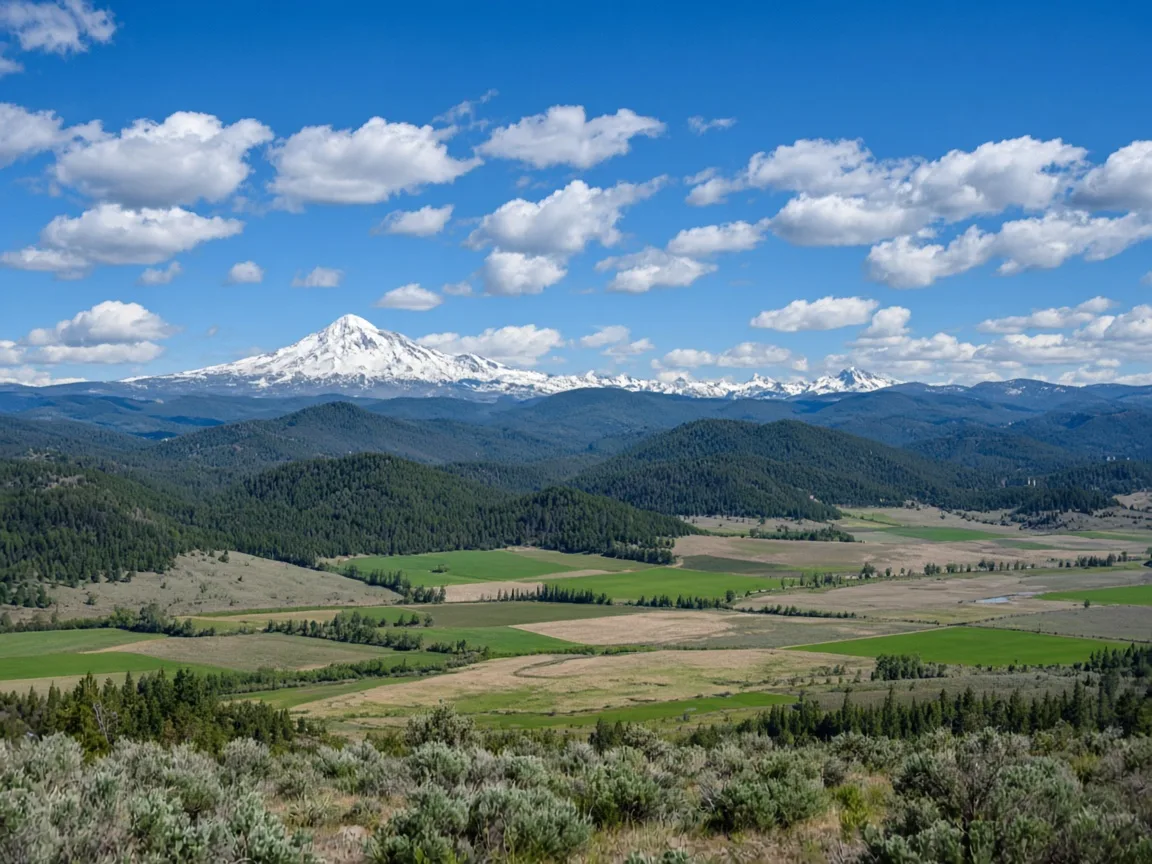
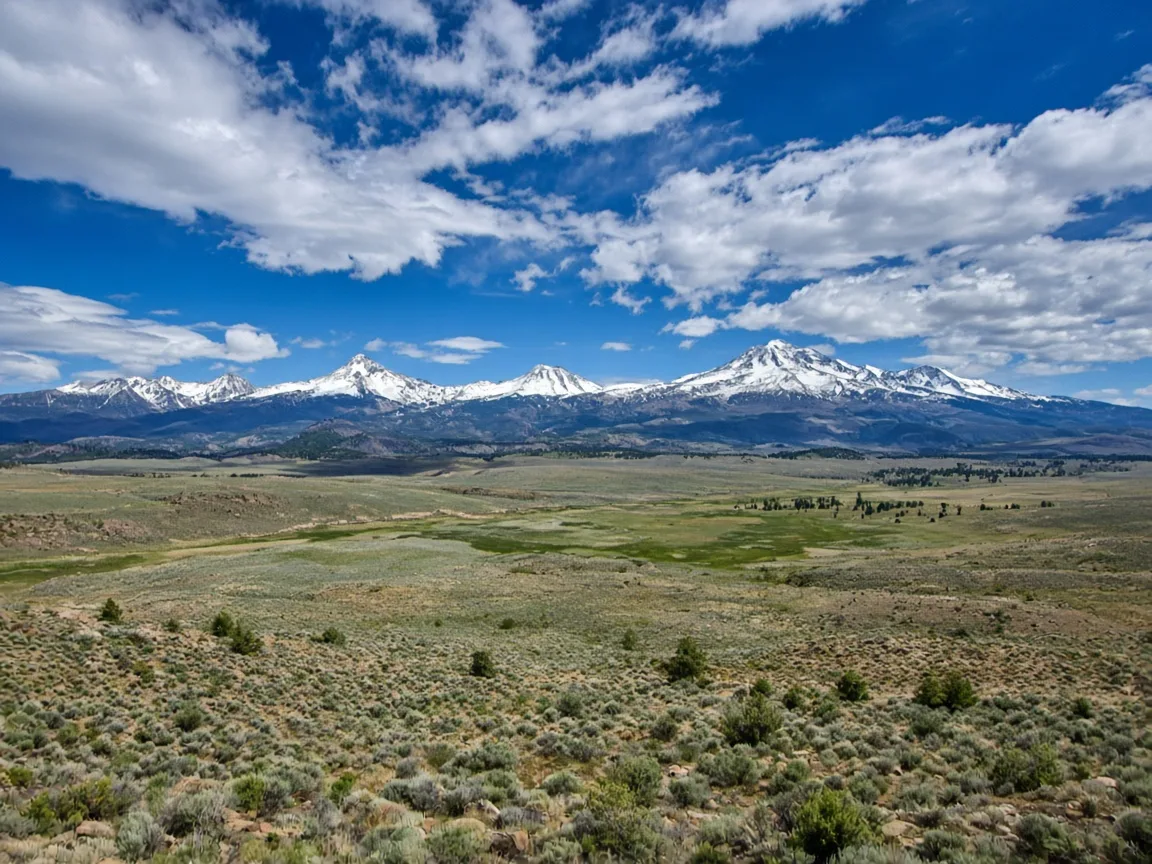
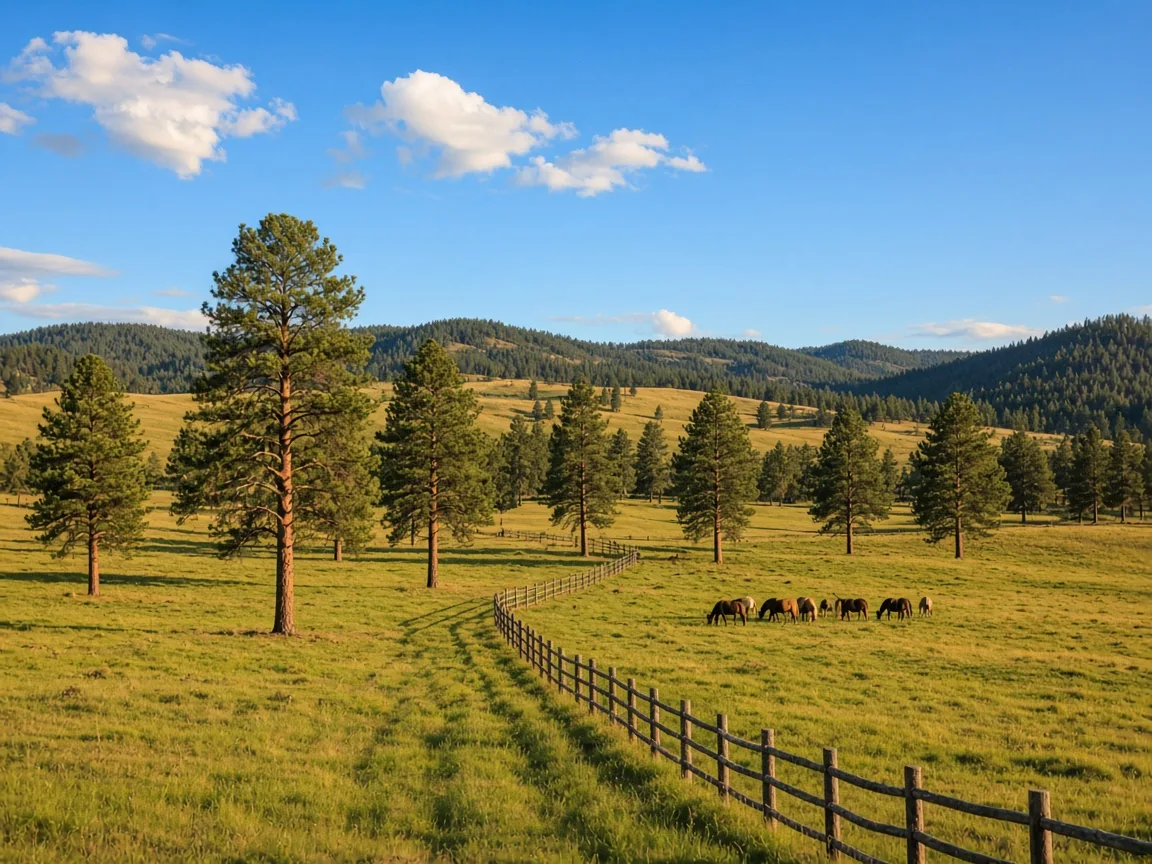
On the right morning, you might see a bald eagle perched above an open field, geese moving across the sky, or a great blue heron standing motionless along the edge of a wetland. Drive a little farther, and the scenery changes from marshes and agricultural valleys to ponderosa pine forests, volcanic landscapes, and mountain country.
This remarkable variety helps explain why Southern Oregon attracts birdwatchers, wildlife photographers, hunters, anglers, hikers, and people who simply enjoy living somewhere with room to breathe.
Why the Klamath Basin Supports So Much Wildlife
The Klamath Basin occupies a distinctive geographic position near the meeting of several major ecosystems. Its lakes and wetlands provide habitat for waterbirds and aquatic wildlife, while nearby forests, grasslands, and high-desert environments support entirely different collections of species.
The region is also part of the Pacific Flyway, one of North America's major migratory bird routes. Birds traveling between northern breeding grounds and more southerly wintering areas depend on suitable places to rest and feed.
Klamath Basin wetlands have historically played an especially important role in those migrations.
That ecological significance extends beyond the birds themselves. Wetlands support fish, amphibians, insects, aquatic plants, and mammals. Their health influences the broader food web.
Wildlife Watching Isn't Limited to One Season
Spring brings returning migrants, nesting activity, and changing wetland landscapes. Summer offers long days, forest wildlife, and opportunities to observe birds raising their young.
Fall brings another migration period, while winter can provide opportunities to see bald eagles, waterfowl, and other species adapted to colder conditions.
There is no single perfect month for every animal. A successful wildlife outing begins by learning which species are likely to be present, what habitat they prefer, and how seasonal conditions influence their behavior.
Where to Begin Exploring
The Klamath Basin National Wildlife Refuge Complex provides an excellent starting point.
Lower Klamath, Tule Lake, Upper Klamath, Bear Valley, Klamath Marsh, and Clear Lake national wildlife refuges protect important habitats across Southern Oregon and northeastern California.
Visitors should understand that not every refuge offers the same public access. Some have established observation routes or viewing areas, while others protect sensitive habitat with limited entry.
Always consult the U.S. Fish and Wildlife Service before visiting.
Respecting the Wildlife That Makes the Region Special
A good wildlife encounter should not come at the animal's expense.
Keep a respectful distance, use binoculars or a telephoto lens, and never approach nests or young animals for a better photograph.
Avoid feeding wildlife, keep pets under control, and observe road closures or seasonal restrictions.
The most memorable experiences often happen when people allow wildlife to behave naturally.
What This Means for People Considering Klamath County
Wildlife is one part of a broader outdoor lifestyle that draws people to the area.
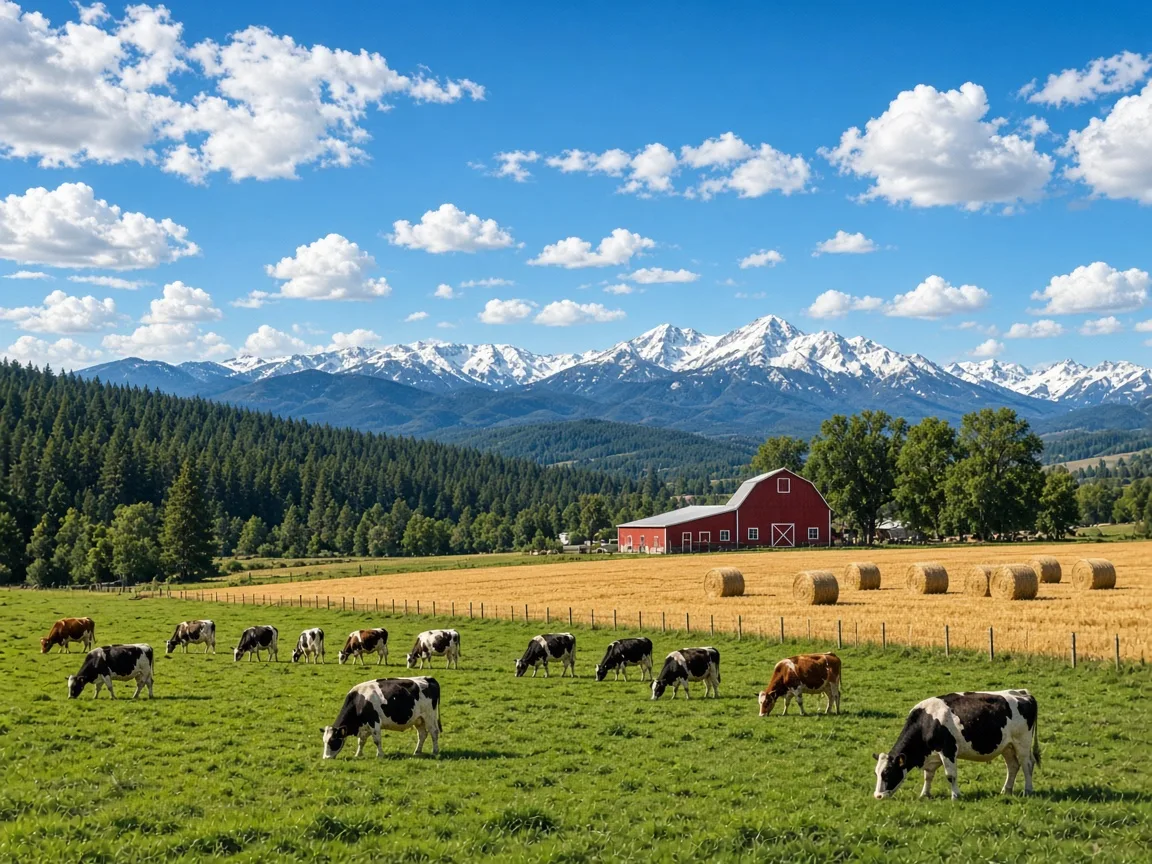
Residents can enjoy birdwatching, fishing, hiking, hunting, boating, camping, and scenic drives without making every outing a major vacation.
Of course, proximity varies considerably. A home in central Klamath Falls offers different advantages from a rural property near forestland or agricultural fields.
Buyers should evaluate roads, utilities, wildfire exposure, water availability, and other practical considerations alongside scenery.
The goal isn't simply to live near beautiful landscapes. It's to find a home that makes those landscapes part of a sustainable, enjoyable lifestyle.
Discover Life in Klamath County
Wildlife viewing is only one part of Southern Oregon's outdoor lifestyle. Explore Lincoln Home's community guides, hiking resources, and rural-property education to discover what living near these landscapes can look like.
Frequently Asked Questions
What wildlife can visitors see in the Klamath Basin?
Depending on season and habitat, visitors may encounter bald eagles, hawks, pelicans, ducks, geese, cranes, deer, elk, coyotes, otters, and numerous other species.
Is the Klamath Basin good for birdwatching?
Yes. Its wetlands and location along the Pacific Flyway make the region particularly significant for migratory waterbirds and raptors.
Can you see wildlife without hiking long distances?
Some refuge observation routes and public viewing locations allow visitors to observe wildlife from or near vehicles. Check current access conditions before traveling.
Sources and Further Reading
Conditions, access, weather, water quality, fees, and regulations can change. Verify current information with the managing agency and the official sources above before traveling.
Related reading
Explore Lincoln Home's community guides, hiking resources, and rural-property education to discover what living near these landscapes can look like.
Lincoln Home never implies a property offers guaranteed wildlife sightings, hunting access, water rights, development rights, or public-land access. Verify each of these independently for any specific parcel.