
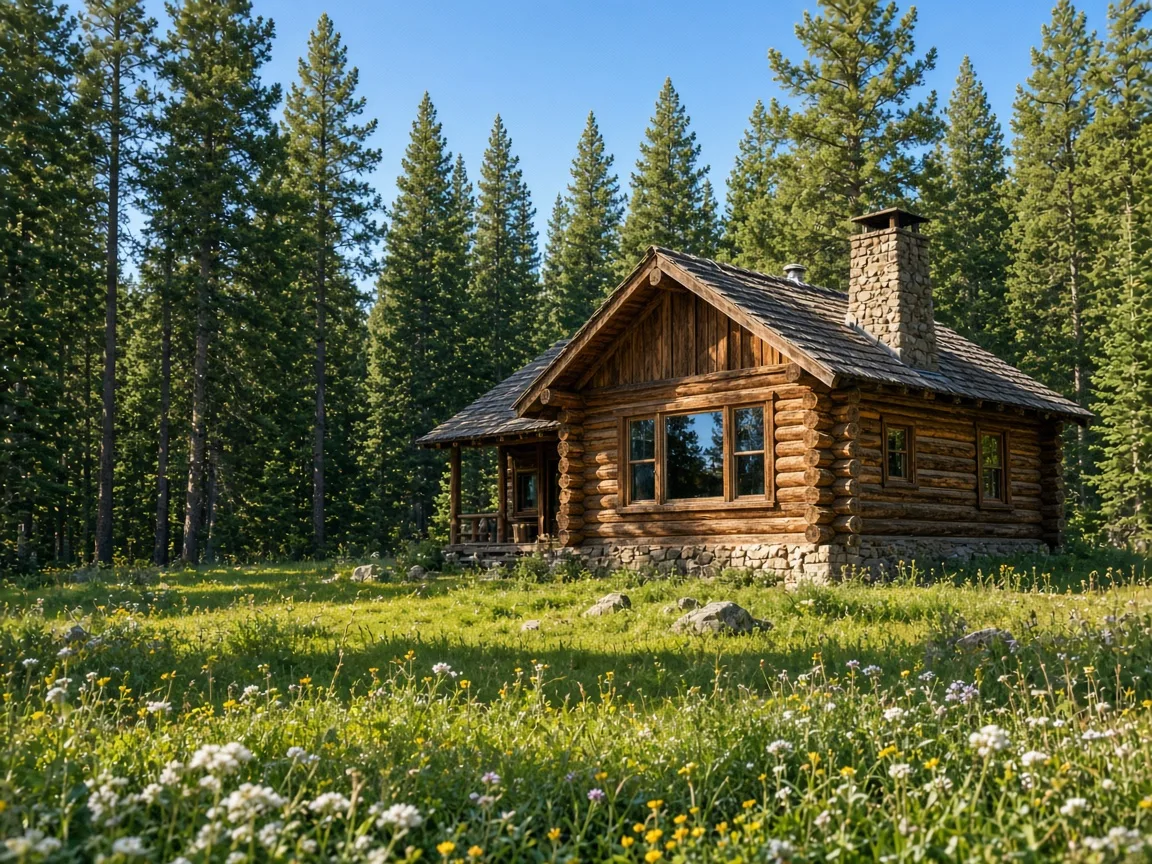
A rustic vacation cabin near a Southern Oregon lake.
Owning a vacation home near an Oregon lake can be incredibly rewarding.
A place to escape for the weekend, gather with family and enjoy the outdoors may become one of your most treasured investments.
But a vacation property needs attention even when nobody is there.
In fact, extended periods of vacancy can create maintenance challenges that full-time homeowners rarely encounter.
The Challenge of an Unoccupied Home
A primary residence benefits from daily observation.
Leaks, unusual noises, heating failures and storm damage are often noticed quickly.
At a vacation property, those same problems may continue unnoticed for days or weeks.
That makes preventive maintenance and reliable monitoring especially important.
Winterizing Plumbing
Freezing temperatures can damage pipes, fixtures and water systems.
Winterization procedures depend on the property's plumbing design, water source, heating arrangement and intended occupancy.
Some owners maintain minimum interior heat; others use professional seasonal shutdown procedures.
Simply turning off the thermostat without preparing the plumbing can be expensive.
Consult qualified professionals for property-specific winterization.
Roofs, Gutters and Snow
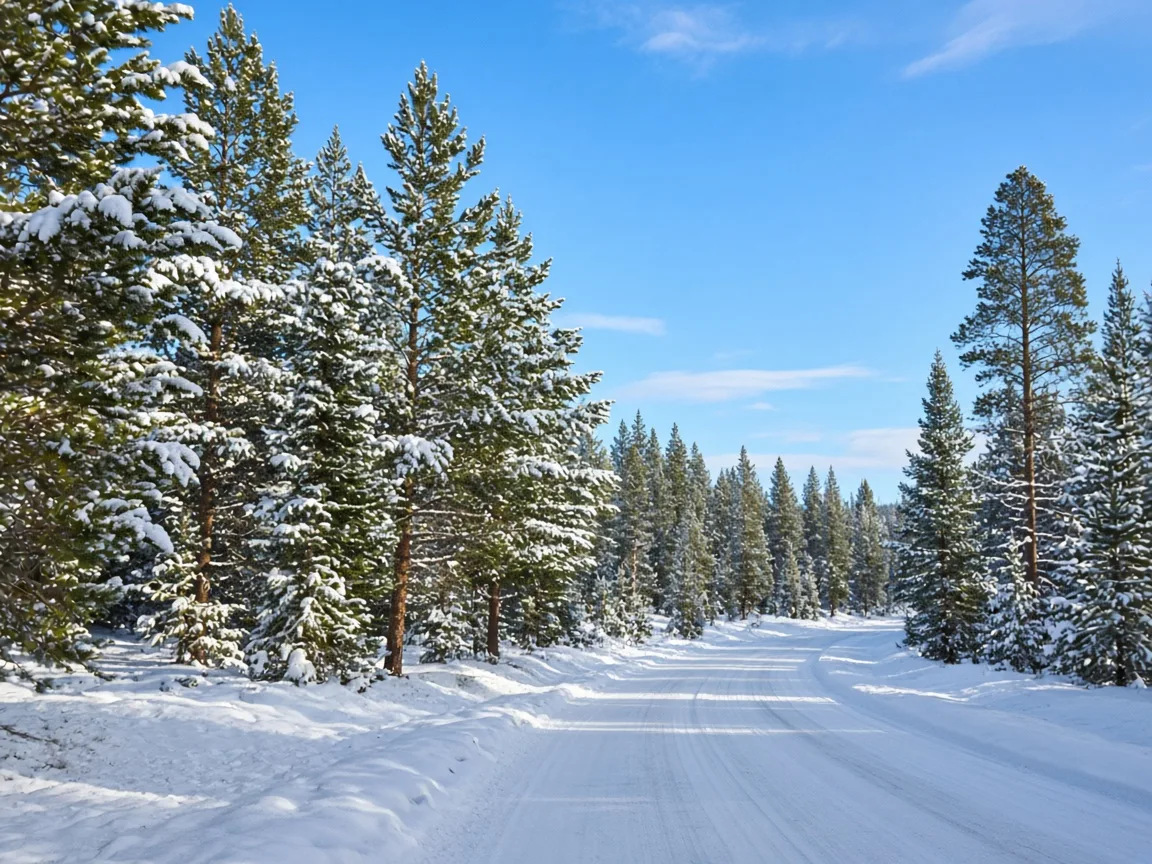
Mountain properties may experience significant snow accumulation.
Inspect roofs, gutters, flashing and drainage before winter.
Heavy snow and ice can create structural and water-intrusion hazards.
Never climb onto an icy roof or attempt hazardous snow removal without appropriate professional assistance.
Wildfire Preparation
Forested vacation properties require attention to vegetation and defensible space.
Remove combustible debris where appropriate, maintain access routes and follow current local fire-prevention guidance.
Understand evacuation procedures and emergency alerts.
A vacant property should not be left with unmanaged hazards that could worsen during wildfire season.
Heating and Electrical Systems
Arrange regular inspection and maintenance of heating equipment.
Check smoke alarms, carbon monoxide alarms and other safety devices.
Understand how the electrical system responds to outages.
Backup-power equipment must be installed and operated safely; generators should never be used indoors or in enclosed spaces.
Septic Systems and Wells
Properties with private wells or septic systems require maintenance appropriate to their design and use.
Seasonal occupancy can create unusual usage patterns.
Keep records of inspections, service and repairs.
If the property has a well, consider appropriate water-quality testing and system evaluation.
Security and Remote Monitoring
A vacation property may benefit from monitored alarms, water-leak detectors and temperature alerts.
Remote devices can provide useful information, but they do not replace physical inspections.
Internet and power interruptions can make connected devices unavailable.
Arrange for a trusted person or professional to check the property when necessary.
Managing Short-Term Rentals
If the property is legally operated as a vacation rental, maintenance becomes even more important.
Guests need safe access, functioning equipment, clear emergency information and accurate descriptions.
Owners should understand applicable licensing, tax, insurance and safety obligations.
Cleaning and turnover inspections should include damage checks and maintenance reporting.
Seasonal Maintenance Planning
Spring: Inspect for winter damage, test plumbing, examine drainage and assess road access.
Summer: Maintain vegetation, review wildfire precautions, inspect decks and monitor water systems.
Fall: Service heating equipment, clear appropriate drainage areas and prepare for freezing conditions.
Winter: Monitor interior temperatures, snow conditions, access and storm-related damage.
A written maintenance log helps owners track recurring issues and future expenses.
Budgeting for Long-Term Ownership
Vacation-home expenses extend beyond mortgage payments and property taxes.
Budget for insurance, utilities, road maintenance, repairs, snow removal, vegetation management and professional inspections.
Remote properties may involve additional travel and contractor costs.
A realistic ownership budget protects the enjoyment of the property.
Make Your Vacation Property a Lasting Source of Enjoyment
A well-maintained cabin can provide years of memorable experiences.
Whether you are considering your first lake getaway or preparing to purchase a larger recreational property, understanding the responsibilities is part of making a confident decision.
Explore Southern Oregon cabins, lake-area homes and rural properties through Lincoln Home at https://klamathproperty.com/.
Conditions change. Verify lake information before you go.
Lake conditions, access, weather, water quality, fees, and regulations can change at any time. Verify current information with the managing agency and the official sources on this page before traveling. Never assume that a lake suitable for one activity is suitable for another.
Frequently Asked Questions
Should I turn off the water when leaving a vacation cabin?
The appropriate approach depends on the plumbing and heating systems. Seek property-specific guidance to prevent freezing or leaks.
How often should an unoccupied property be inspected?
Inspection frequency depends on weather, property condition, insurance requirements and available monitoring.
Does homeowners insurance cover an unoccupied vacation property?
Coverage varies. Review vacancy provisions, exclusions and policy conditions with your insurer.
Can remote monitoring replace property visits?
No. It can supplement, but not fully replace, physical inspections.
Sources and Further Reading
- U.S. Forest Service
- Oregon State Fire Marshal
- Oregon Department of Environmental Quality
- Oregon Water Resources Department
Conditions, access, weather, water quality, fees, and regulations can change. Verify current information with the managing agency and the official sources above before traveling. On water-quality pages, the current Oregon Health Authority advisory page is the reference for harmful algal bloom status.
Related reading
Explore Southern Oregon cabins, lake-area homes and rural properties through Lincoln Home at https://klamathproperty.com/.