
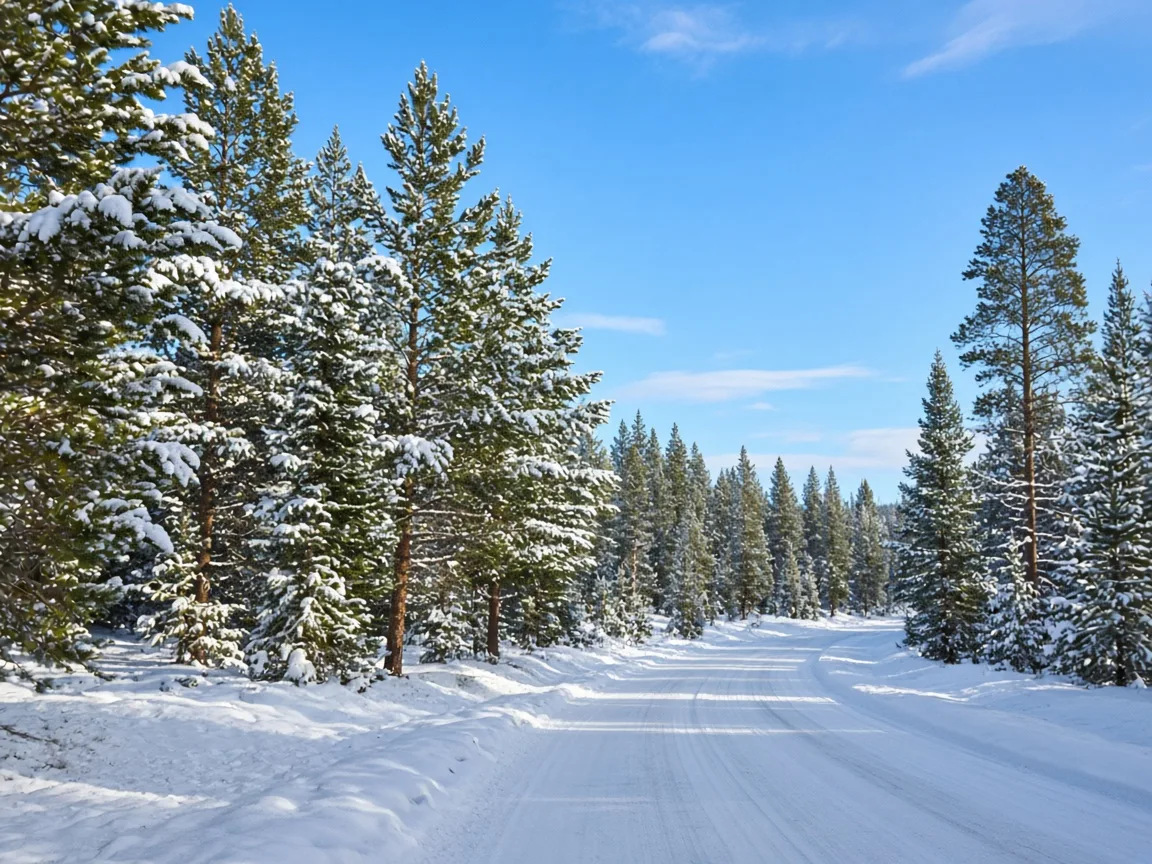
A quiet forest road in winter, a reminder that mountain cabin access can be seasonal.
A cabin near a Southern Oregon lake can feel like the perfect escape.
Imagine cool mountain mornings, a fireplace after a day outdoors, weekends spent fishing and the freedom to leave ordinary routines behind.
But buying a cabin is not always the same as buying a conventional home.
Seasonal access, utilities, ownership arrangements and maintenance requirements can make a major difference.
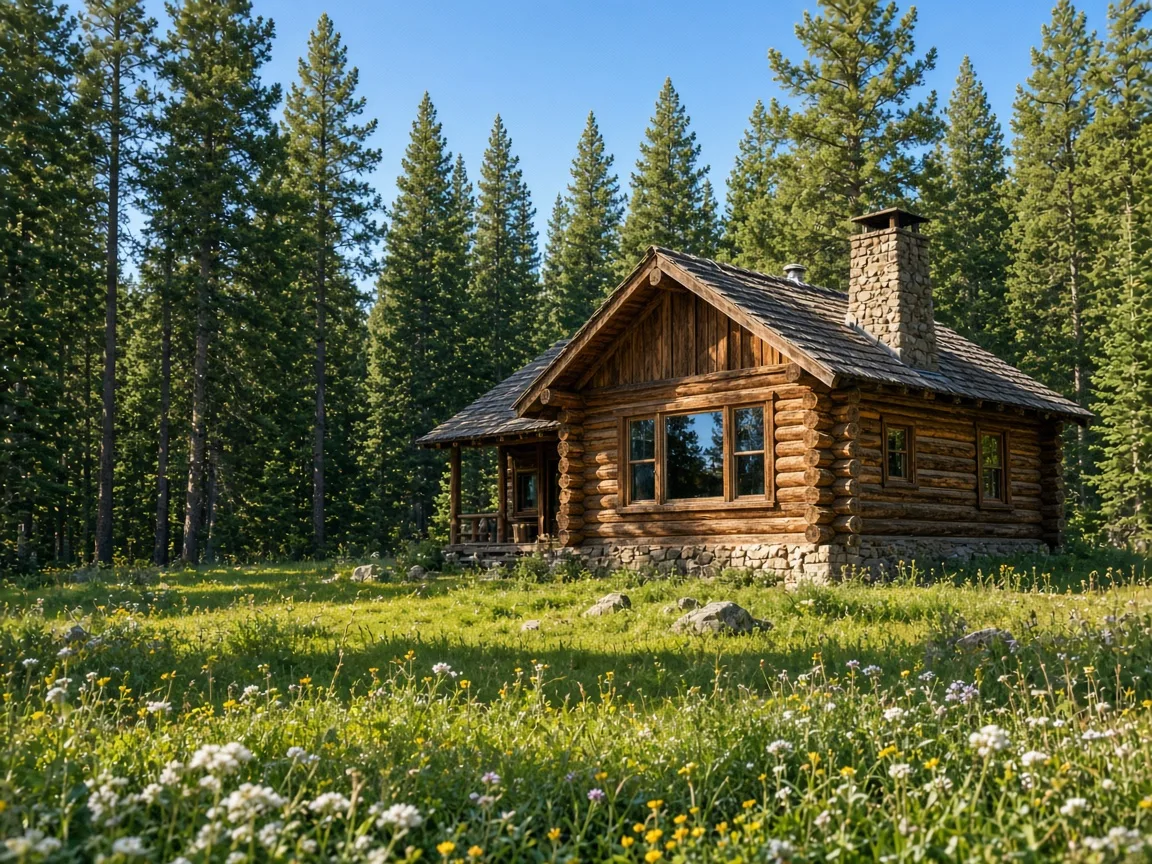
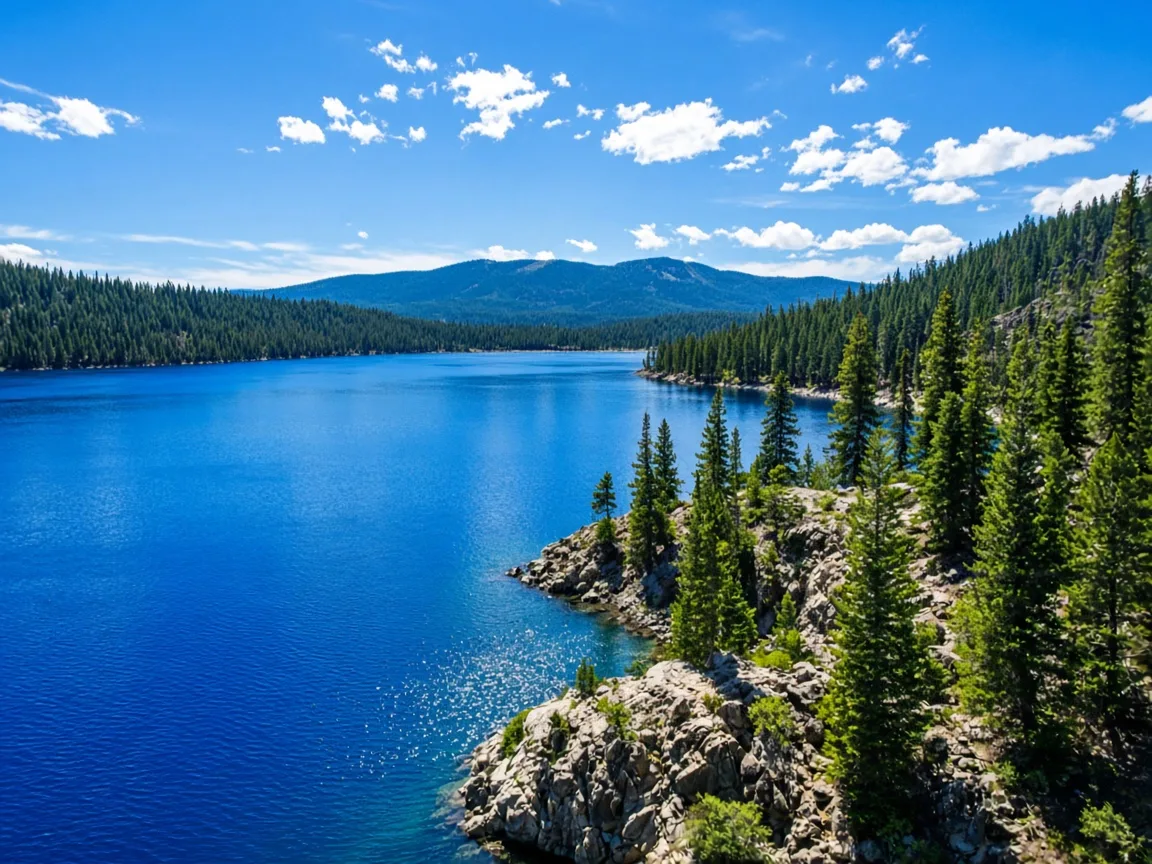
Define How You Plan to Use the Cabin
Will the property be a weekend retreat, a summer getaway, a full-time residence or a possible vacation rental?
The answer affects nearly every purchasing decision.
A cabin that works beautifully for occasional summer use may be impractical for year-round living.
Think about transportation, medical services, internet access and the amount of maintenance you are willing to manage.
Understand the Ownership Arrangement
Some cabins in national forest recreation areas may occupy federal land under special-use permits rather than conventional private landownership.
In those situations, the buyer may acquire an interest in improvements subject to the applicable permit process, not fee-simple ownership of the underlying federal land.
Permit terms, transfer requirements, fees, restrictions and renewal provisions require careful review.
Never assume a cabin's ownership structure from its appearance or listing description.
Winter Access
Mountain roads may be affected by snow, ice or seasonal closures.
Ask whether the road is publicly maintained, privately maintained or not maintained during winter.
Determine who is responsible for snow removal and whether access is legally established.
A cabin that is easy to reach in July may require substantially different planning in January.
Water Supply and Septic Systems
Cabins may rely on wells, shared systems, springs or other approved arrangements.
Buyers should verify the source, legal status, condition and reliability of the water supply.
Septic systems should be evaluated by qualified professionals.
Do not assume that a cabin can support additional bedrooms or more intensive use without investigating system capacity and permitting.
Electricity, Heating and Internet
Some cabins have conventional utility service; others rely on alternative systems.
Understand electrical capacity, heating equipment, fuel delivery, backup power and internet availability.
A wood stove may be appealing, but it requires proper installation, inspection and maintenance.
Insurance and Wildfire Exposure
Forested mountain properties may face wildfire-related insurance considerations.
Obtain insurance information early in the buying process.
Ask about coverage availability, premiums, deductibles and exclusions.
Evaluate defensible space, access routes and emergency preparedness.
Financing a Cabin
Financing may differ depending on the property type, condition, access, utilities and ownership structure.
Not every cabin qualifies for conventional residential financing.
Discuss the specific property with a qualified lender before assuming that a standard mortgage will be available.
Vacation Rental Potential
A cabin may seem ideal for short-term rentals, but rental use should never be assumed.
Zoning, permit terms, local regulations, association rules and insurance requirements may restrict or prohibit rentals.
Investigate those issues before relying on projected rental income.
Find a Cabin That Fits Your Plans
The right cabin is more than a beautiful photograph.
It is a property whose ownership, access, utilities and maintenance responsibilities match your goals.
Explore cabins, recreational properties and rural homes through Lincoln Home at https://klamathproperty.com/.
Conditions change. Verify lake information before you go.
Lake conditions, access, weather, water quality, fees, and regulations can change at any time. Verify current information with the managing agency and the official sources on this page before traveling. Never assume that a lake suitable for one activity is suitable for another.
Frequently Asked Questions
Can you live in a Southern Oregon lake cabin year-round?
Some cabins may support year-round occupancy, but legal use, utilities and winter access must be verified.
Can you finance a cabin on federal land?
Financing may be more complicated and depends on the ownership arrangement and lender requirements.
Are cabins expensive to maintain?
Costs vary, but weather exposure, remote access and aging systems can increase maintenance needs.
Can I rent out my cabin?
Only if the ownership documents, permits, applicable laws and other restrictions allow it.
Sources and Further Reading
Conditions, access, weather, water quality, fees, and regulations can change. Verify current information with the managing agency and the official sources above before traveling. On water-quality pages, the current Oregon Health Authority advisory page is the reference for harmful algal bloom status.
Related reading
Explore cabins, recreational properties and rural homes through Lincoln Home at https://klamathproperty.com/.