
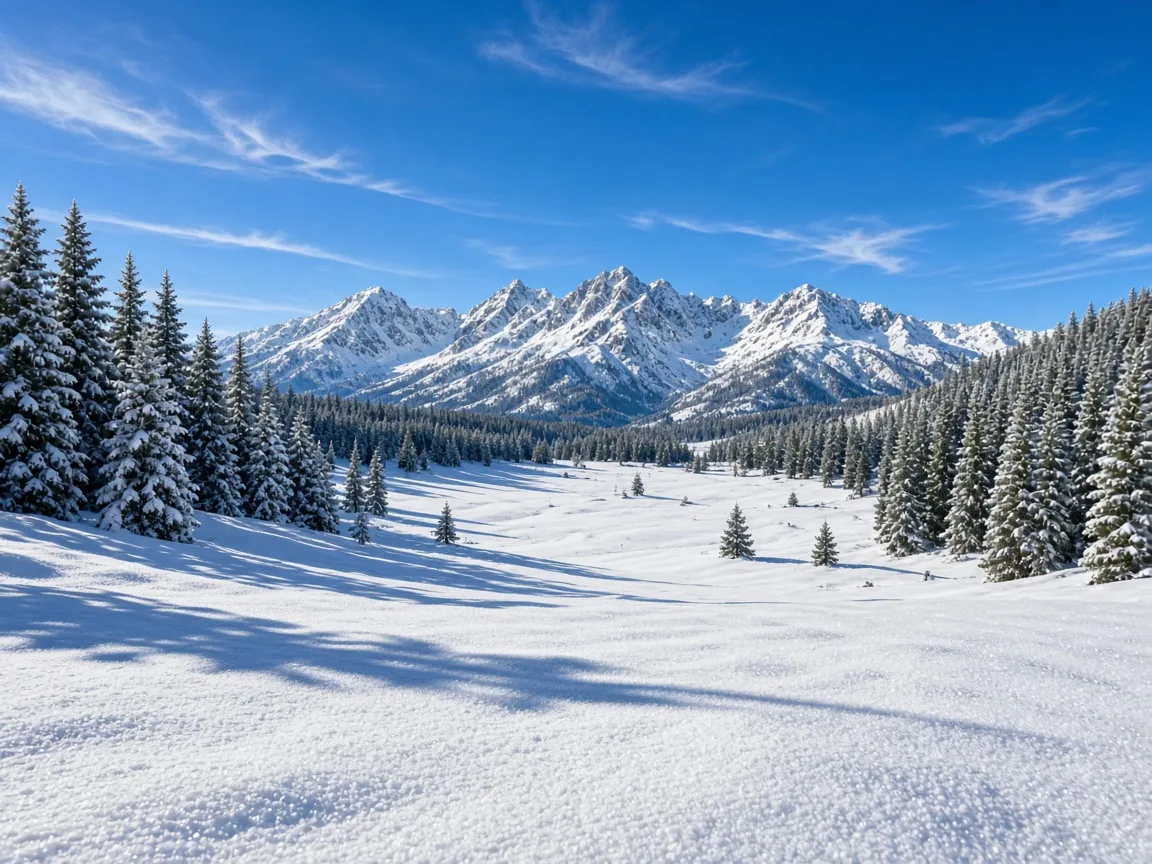
Winter farmland and open fields in Southern Oregon, habitat eagles use for feeding during winter.
There's something about seeing a bald eagle in the wild that makes people stop talking.
Maybe it's the unmistakable white head of an adult bird. Maybe it's the enormous wingspan, or the way an eagle can sit perfectly still while appearing to survey everything around it.
Whatever the reason, a bald eagle sighting tends to become the story people tell when they get home.
The Klamath Basin has a long-established reputation as an important wintering area for bald eagles. Its wetlands, agricultural lands, and nearby forested roosting habitat create opportunities for these impressive birds to feed and shelter.
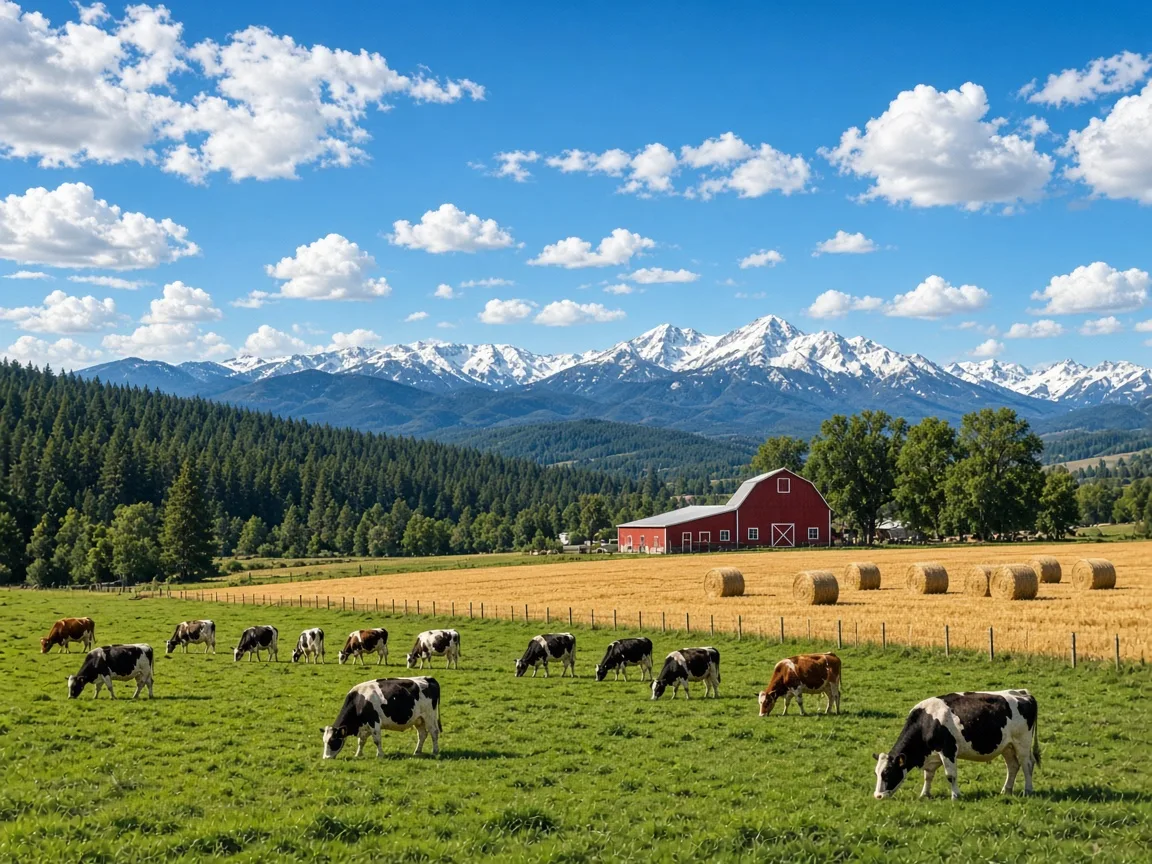
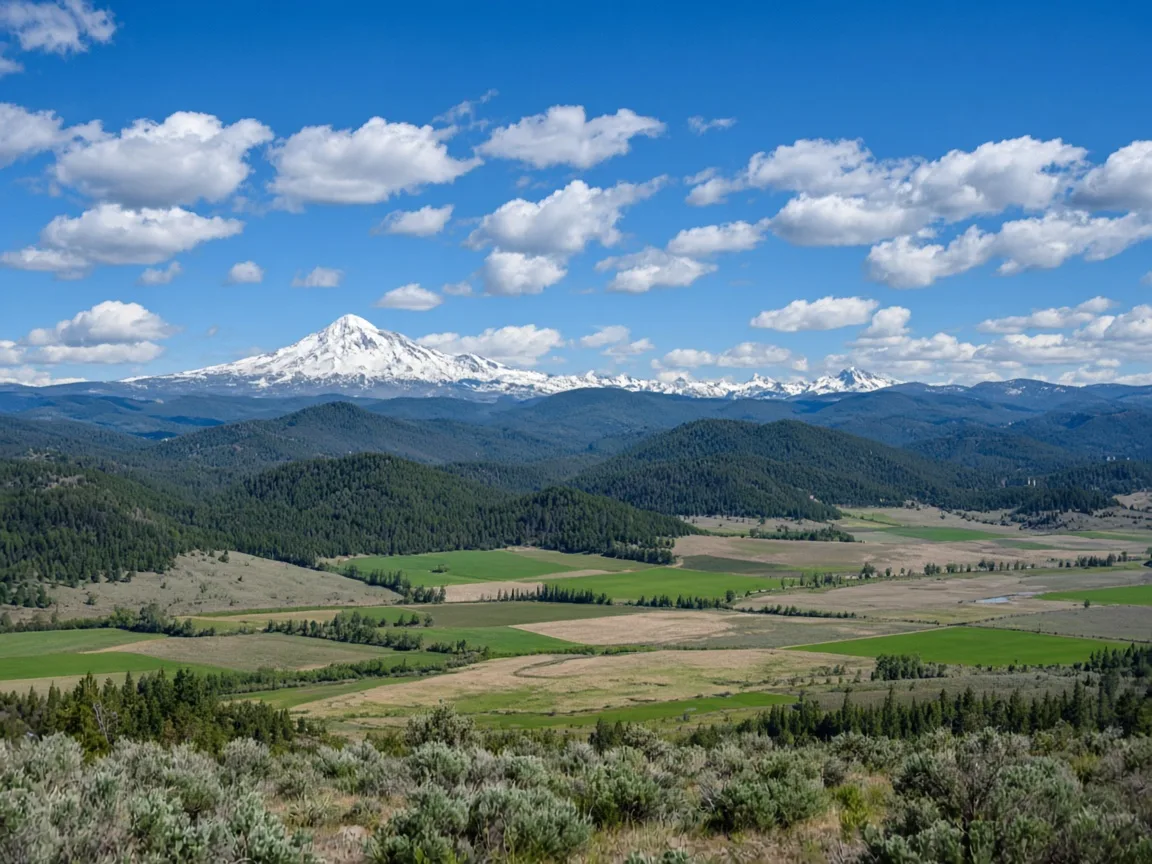
Why Bald Eagles Come to the Basin
Bald eagles are opportunistic predators and scavengers. Fish are an important food source, but they also consume waterfowl, carrion, and other available prey.
The Klamath Basin's wintering waterfowl populations can provide feeding opportunities, while suitable trees and relatively protected forested areas offer places to roost.
Their numbers and distribution vary with weather, food availability, water conditions, and broader migration patterns.
Historical descriptions of large eagle gatherings should not be treated as guarantees of what visitors will see during any particular winter.
Best Time of Year
Winter is traditionally the most celebrated season for bald eagle viewing in the basin, although bald eagles may be present at other times of year.
Cold mornings can produce beautiful photography conditions, especially when snow highlights the surrounding landscape.
However, fog, icy roads, and rapidly changing weather can complicate an outing.
A little patience is usually more useful than rushing from one location to another.
Where to Look
The Lower Klamath and Tule Lake refuge landscapes have long been associated with winter eagle viewing.
Bear Valley National Wildlife Refuge is especially significant as protected roosting habitat.
Bear Valley is not a conventional hiking destination. Public entry is restricted to protect the birds, so visitors should use lawful viewing opportunities outside sensitive areas rather than attempting to enter the refuge.
Always consult the U.S. Fish and Wildlife Service for current access information.
How to Photograph an Eagle Responsibly
A telephoto lens is your friend. So are binoculars, a parked vehicle in an authorized location, and the willingness to wait.
Never chase an eagle from perch to perch. Avoid drones near wildlife, do not approach nests, and never attempt to make a bird fly for a dramatic photograph.
If an eagle repeatedly looks toward you, changes its posture, or leaves because of your presence, you may already be too close.
The Bigger Conservation Story
Bald eagles are a remarkable American conservation success, having recovered substantially following protections and the reduction of major threats such as DDT.
They remain protected under federal laws, including the Bald and Golden Eagle Protection Act and Migratory Bird Treaty Act.
Their recovery demonstrates what sustained conservation can accomplish, while reminding us that healthy habitat and responsible human behavior remain important.
Living Near Wildlife
For people who appreciate wildlife, the Klamath Basin offers opportunities to experience nature as part of ordinary life.
Explore Lincoln Home's community and rural-property guides to understand which locations best match your priorities.
Frequently Asked Questions
When is the best time to see bald eagles near Klamath Falls?
Winter is historically a strong season, particularly around the refuge landscapes, although sightings are never guaranteed.
Can visitors enter Bear Valley National Wildlife Refuge?
Public entry is generally restricted to protect eagle roosting habitat. Check official refuge information before planning a visit.
Are bald eagles dangerous to people?
They generally avoid people. Visitors should maintain distance and never disturb nesting or roosting birds.
Sources and Further Reading
Conditions, access, weather, water quality, fees, and regulations can change. Verify current information with the managing agency and the official sources above before traveling.
Related reading
Explore Lincoln Home's community and rural-property guides to understand which locations best match your priorities.
Lincoln Home never implies a property offers guaranteed wildlife sightings, hunting access, water rights, development rights, or public-land access. Verify each of these independently for any specific parcel.