
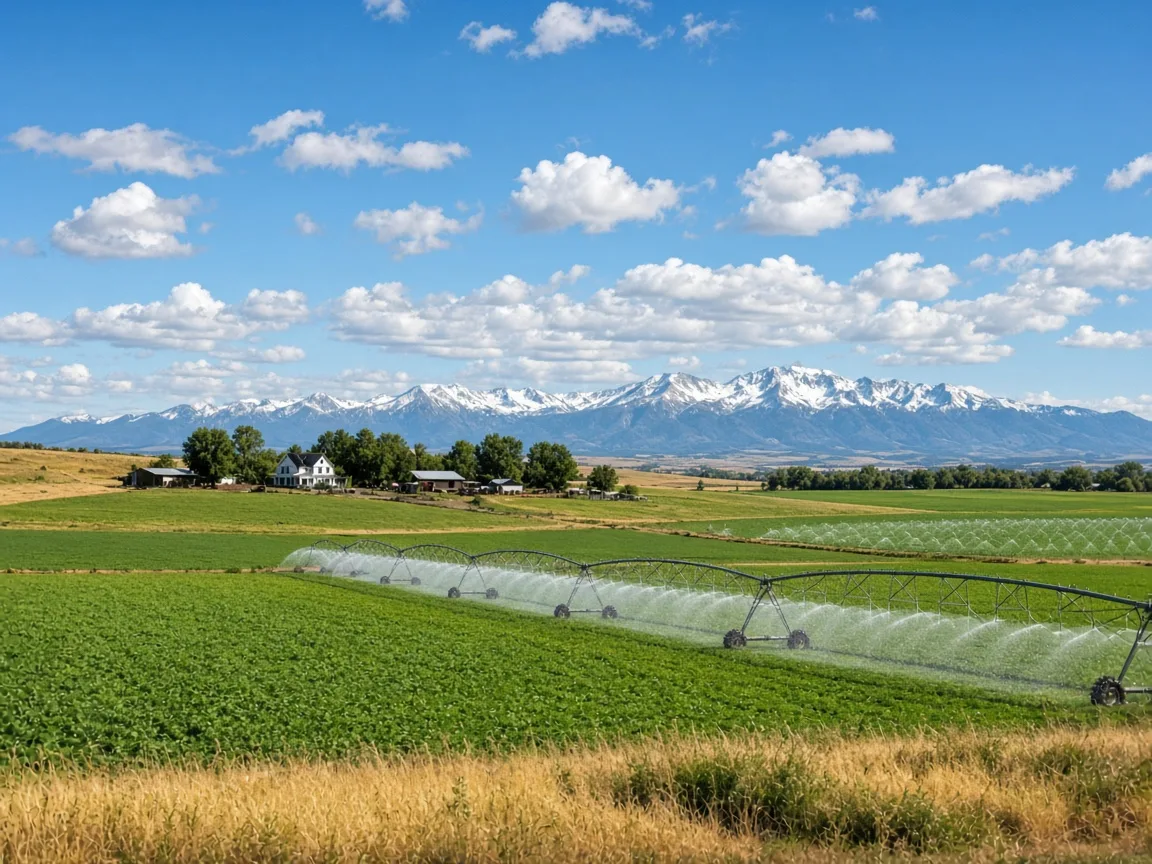
Rural meadow and valley landscape in Klamath County near wildlife habitat.
One of the most appealing things about rural Klamath County is the possibility of seeing wildlife close to home.
A deer crossing the back field.
Hawks circling above the property.
Birds visiting the trees.
Maybe even an occasional fox or coyote moving through the landscape.
But there's an important difference between appreciating wildlife and accidentally inviting it into your garage, chicken coop, or garbage cans.
Rural living comes with responsibilities that aren't always obvious to people moving from more developed neighborhoods.
Understand What Lives Nearby
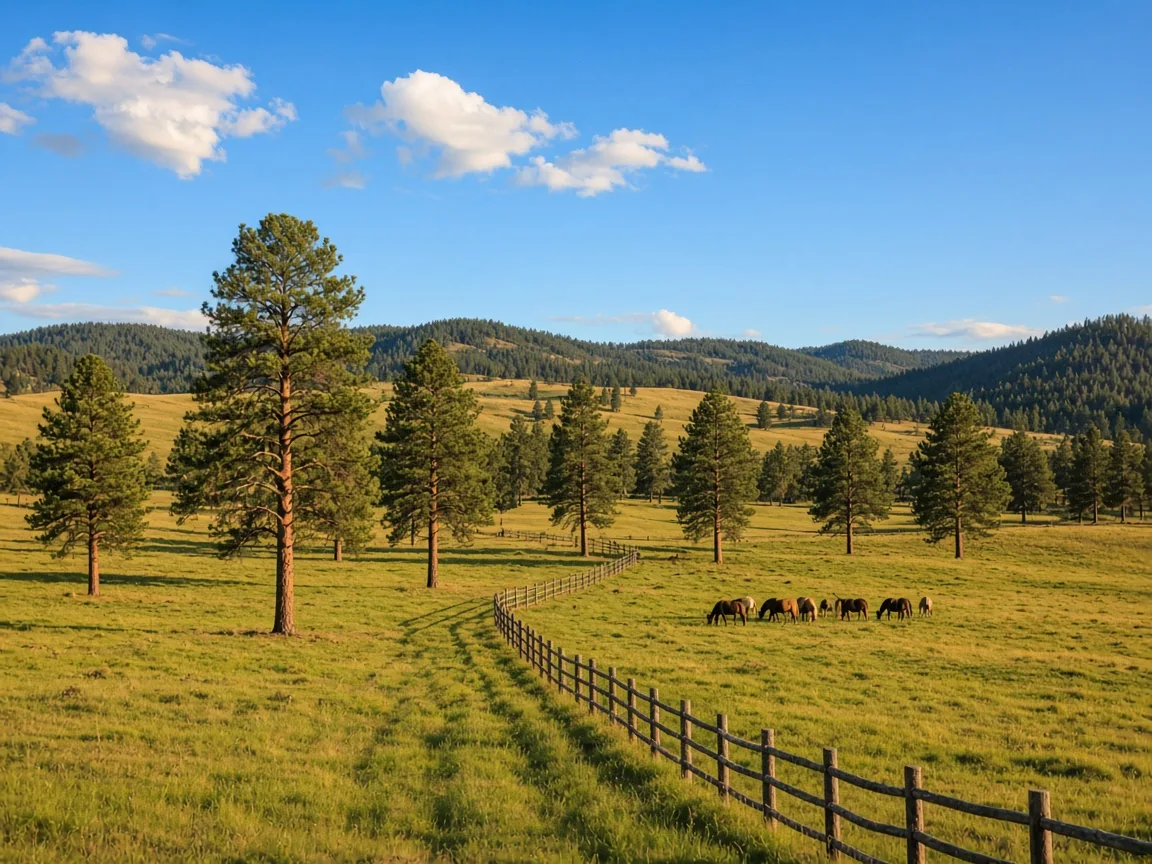
Wildlife activity depends on habitat.
Forested properties may experience different animal activity from agricultural acreage, wetland-adjacent homes, or neighborhoods near open land.
Before purchasing, ask about common wildlife encounters and inspect the property for signs of animal activity.
Tracks, damaged fencing, burrows, and disturbed garbage can provide useful clues.
Protecting Pets and Livestock
Small pets can be vulnerable to coyotes and other predators.
Supervise animals outdoors, especially during nighttime and early morning hours.
Chicken coops and livestock enclosures should be designed to resist local predators.
A decorative fence may not provide meaningful protection.
Appropriate fencing depends on the species being protected and the animals likely to be encountered.
Managing Garbage and Food Attractants
Unsecured garbage can attract bears, raccoons, and other wildlife.
Store trash in appropriate containers and avoid leaving pet food outside.
Manage fallen fruit and other food sources that may attract animals.
These precautions protect residents while helping wildlife retain natural behavior.
Deer and Landscaping
Deer may browse ornamental plants, gardens, and young trees.
Plant selection, protective fencing, and other nonlethal deterrents can help reduce damage.
No single strategy works perfectly in every situation.
Homeowners should also consider how fences affect animal movement and whether local rules restrict particular fence designs.
Wetland and Waterfront Considerations
Properties near water may experience activity from beavers, muskrats, waterbirds, and other aquatic wildlife.
Waterfront ownership can involve additional regulations concerning vegetation removal, bank stabilization, drainage, and construction.
Never assume that owning the land means every alteration is permitted.
Wildlife and Wildfire Preparedness
Rural homeowners often need to manage vegetation for wildfire resilience.
Defensible space planning should consider both fire safety and the ecological characteristics of the property.
Consult current Oregon fire-safety guidance and local requirements before making major vegetation changes.
Why Community Planning Matters
Klamath County's Comprehensive Plan includes policies addressing open space, natural resources, scenic areas, and wildlife habitat.
Its Goal 5 framework recognizes the need to protect important resources while considering other land uses.
For homeowners, this reinforces an important principle: individual property decisions can affect the larger landscape.
Practical Habits That Make Rural Living Easier
Good rural-property management is usually about consistency.
Inspect fencing, secure attractants, maintain outbuildings, watch for drainage problems, and understand seasonal wildlife activity.
Keep contact information for local wildlife authorities and emergency services.
And remember that wild animals do not understand property lines.
Finding the Right Rural Property
A beautiful piece of acreage can offer privacy, recreation, and a connection to nature.
It can also involve fences, wells, septic systems, snow removal, wildfire preparedness, road maintenance, and wildlife management.
Lincoln Home's rural-property resources are designed to help buyers understand those responsibilities before purchasing.
Frequently Asked Questions
Can I feed deer on my property?
Feeding wildlife is generally discouraged because it can create dependency, attract predators, and increase conflict.
How do I keep coyotes away from pets?
Supervise pets, use secure enclosures, and remove food attractants.
Can I remove a beaver dam on my property?
Regulations may apply. Contact the appropriate wildlife and waterway authorities before acting.
Does rural property always have more wildlife?
Not necessarily. Habitat quality, surrounding land use, and seasonal conditions influence wildlife activity.
Sources and Further Reading
Conditions, access, weather, water quality, fees, and regulations can change. Verify current information with the managing agency and the official sources above before traveling.
Related reading
Lincoln Home's rural-property resources are designed to help buyers understand those responsibilities before purchasing. Start your property search or contact Lincoln Home.
Lincoln Home never implies a property offers guaranteed wildlife sightings, hunting access, water rights, development rights, or public-land access. Verify each of these independently for any specific parcel.