
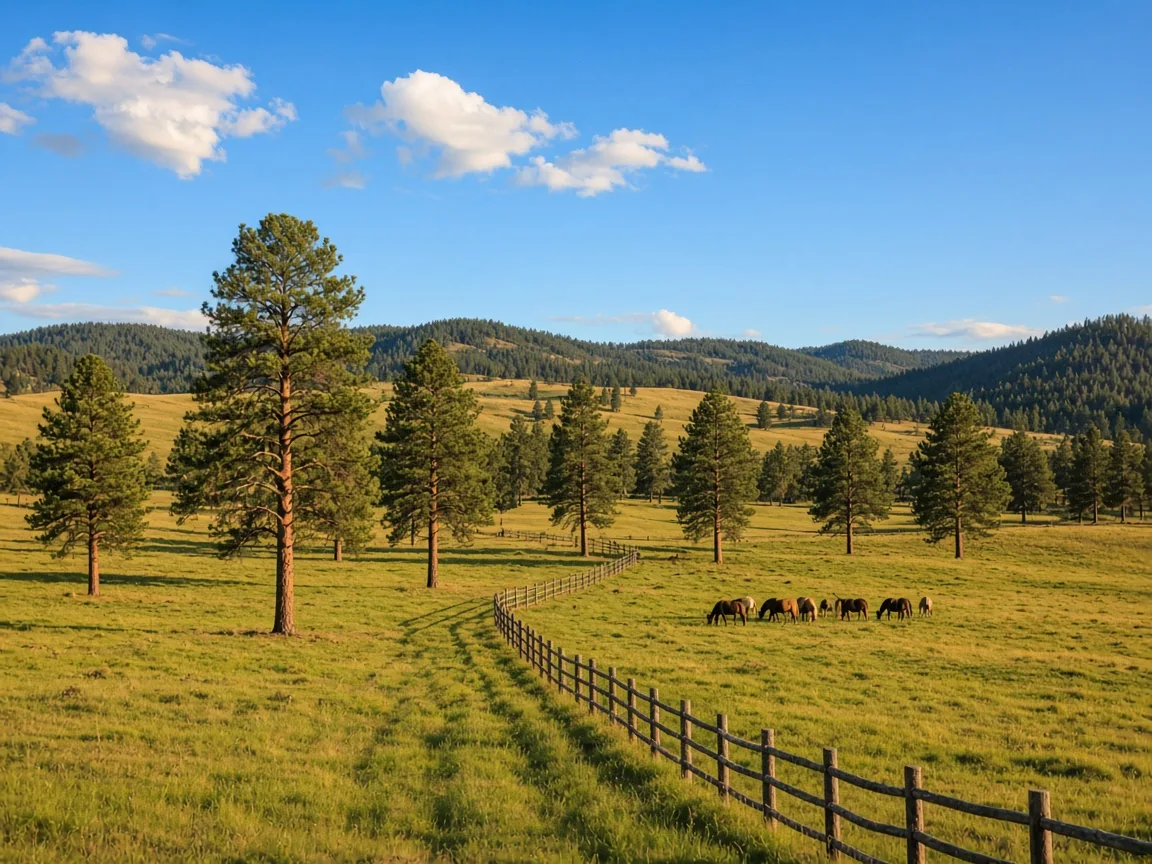
Rural acreage overlooking open meadow and grassland in Klamath County.
Imagine finding a property with a beautiful view across open meadows, mature trees, and a seasonal creek.
You can picture morning coffee on the porch.
Maybe a workshop, a garden, or a place for the dogs to run.
Then you begin asking practical questions.
Can you build the workshop?
Is the creek subject to environmental restrictions?
Does the property have legal access?
Can you install the fencing you want?
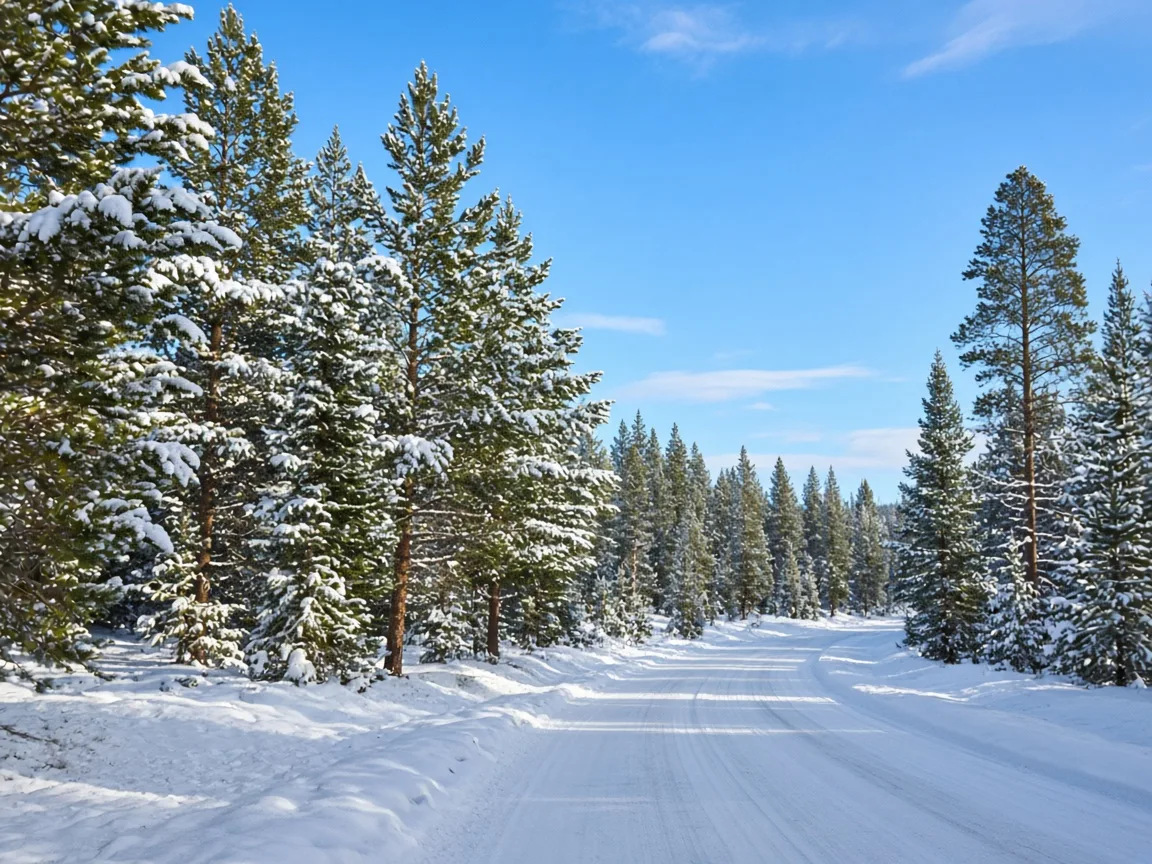
What happens to the driveway after a heavy snowstorm?
These are the questions that separate an attractive listing from a well-informed purchase.
Start With the Property's Legal Uses
Acreage does not automatically mean unrestricted freedom.
Zoning, land-use designations, recorded restrictions, easements, and other regulations may limit construction, subdivision, commercial activity, or certain agricultural uses.
Before purchasing, verify the parcel's zoning and permitted uses with the appropriate county planning department.
Do not rely solely on marketing descriptions.
Understand Wildlife Habitat Considerations
A property near wetlands, streams, forests, or protected land may have ecological features that influence development.
Potential concerns include riparian protections, wetland regulations, wildlife habitat considerations, and restrictions associated with particular land-use approvals.
The presence of wildlife does not automatically prohibit development, but it may indicate that additional investigation is appropriate.
Water Rights and Water Availability
Water is one of the most important considerations in rural Southern Oregon.
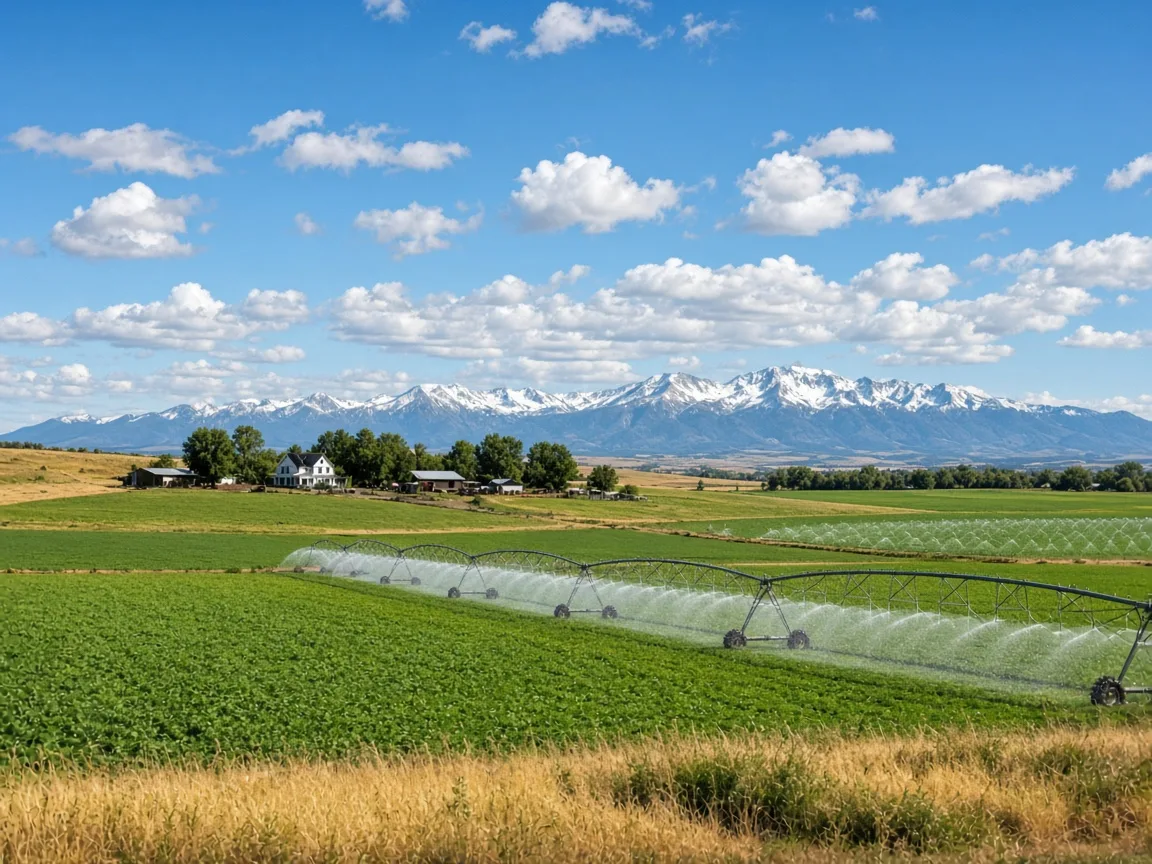
A property may have a domestic well, access to a water system, irrigation rights, or no established water supply.
These are different things.
Water rights should be verified independently through appropriate records and professionals.
A seller's statement that a property has water rights should not substitute for documented review.
Well performance, water quality, and permitted uses may require separate investigation.
Septic Systems and Wastewater
Many rural properties rely on onsite wastewater systems.
Buyers should investigate existing permits, system condition, maintenance history, and suitability for intended uses.
Vacant land may require site evaluation before an onsite system can be approved.
A parcel that appears large enough for a home may still have significant wastewater constraints.
Legal Access and Seasonal Roads
A driveway visible in an aerial photograph does not establish legal access.
Verify recorded easements, public road connections, and maintenance responsibilities.
Ask who plows snow, repairs potholes, maintains culverts, and pays for road improvements.
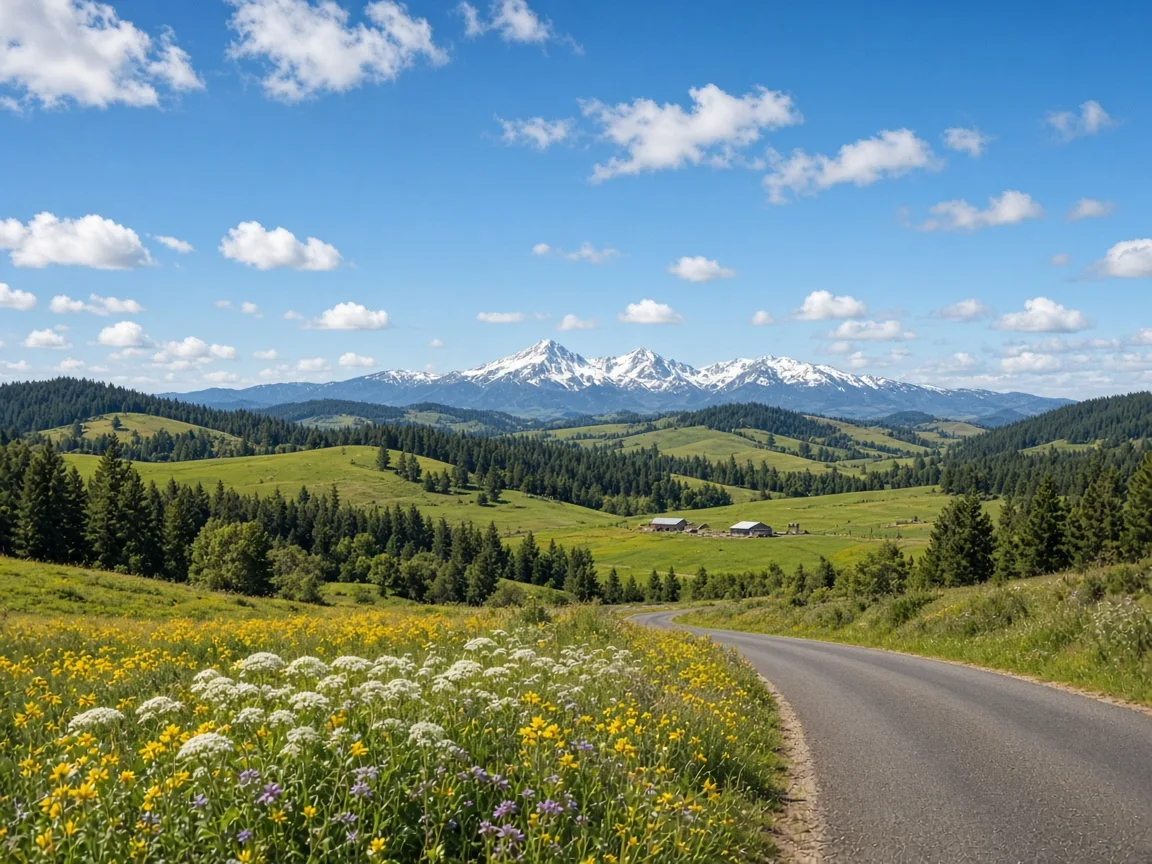
A scenic rural road in July can present an entirely different experience in January.
Wildfire Risk and Insurance
Forested acreage and homes near wildland vegetation require careful fire-risk evaluation.
Buyers should investigate defensible space, emergency access, water availability for firefighting, and insurance options.
Obtain insurance information early rather than waiting until closing.
Flooding, Drainage, and Wetlands
Creeks, ponds, and seasonal water features can add beauty and ecological value.
They can also create construction limitations, flooding concerns, erosion, or maintenance obligations.
Review available flood information and consult qualified professionals when conditions warrant.
A dry field during summer does not prove that the same area remains dry during spring runoff.
Fencing, Livestock, and Animals
Buyers planning to keep horses, goats, chickens, or other animals should verify zoning, acreage requirements where applicable, water availability, fencing needs, and practical suitability.
Wildlife may affect livestock protection strategies.
A property marketed as horse property should still be evaluated for the buyer's specific intended use.
Nearby Public Land Doesn't Guarantee Access
One of the most common assumptions about rural property is that nearby forest or government land automatically provides recreational access.
It does not.
Check legal boundaries, road rights, public access points, and applicable land-management rules.
A parcel bordering public land may still lack a convenient or lawful route into it.
Conservation and Future Development
Klamath County's planning framework includes policies addressing natural resources and habitat.
Prospective buyers should review relevant land-use rules and investigate proposed nearby development when those issues matter to the purchase.
No one can guarantee that every neighboring property will remain unchanged.
A Practical Approach to Due Diligence
Before committing to rural acreage, buyers should work through property-specific questions with appropriate professionals.
A real estate professional can help organize the process, but specialized questions may require surveyors, well contractors, septic professionals, land-use planners, attorneys, engineers, or environmental consultants.
The objective is not to eliminate every uncertainty.
It is to identify important risks before they become expensive surprises.
Finding a Property That Fits Your Life
For some buyers, the ideal Klamath County property is a home in an established neighborhood with easy access to parks and outdoor recreation.
For others, it's acreage, a workshop, room for animals, or a quieter setting near forested land.
Neither choice is automatically better.
The right property is one that fits your finances, daily routine, long-term plans, and willingness to manage the responsibilities that come with ownership.
Lincoln Home can help you explore Klamath County properties with those practical considerations in mind.
Begin with the property search, then use the rural-property buyer guides to understand the questions worth asking before you purchase.
Frequently Asked Questions
Can I build a house on any parcel of rural acreage?
No. Buildability depends on zoning, legal access, utilities, environmental conditions, and applicable approvals.
Does owning land next to a wildlife refuge give me access?
No. Public access is governed by refuge rules and legal access arrangements.
Can I use water from a creek on my property?
Not automatically. Water use may require legally established rights or other authorization.
Should I investigate wildfire insurance before making an offer?
Yes. Early insurance research can help identify availability, costs, and property-specific concerns.
Is a property near wildlife habitat a good investment?
It may be attractive to certain buyers, but investment suitability depends on price, location, permitted uses, market conditions, maintenance costs, and other factors.
Sources and Further Reading
Conditions, access, weather, water quality, fees, and regulations can change. Verify current information with the managing agency and the official sources above before traveling.
Related reading
Lincoln Home can help you explore Klamath County properties with those practical considerations in mind. Begin with the property search, then use the rural-property buyer guides, or contact Lincoln Home.
Lincoln Home never implies a property offers guaranteed wildlife sightings, hunting access, water rights, development rights, or public-land access. Verify each of these independently for any specific parcel.