
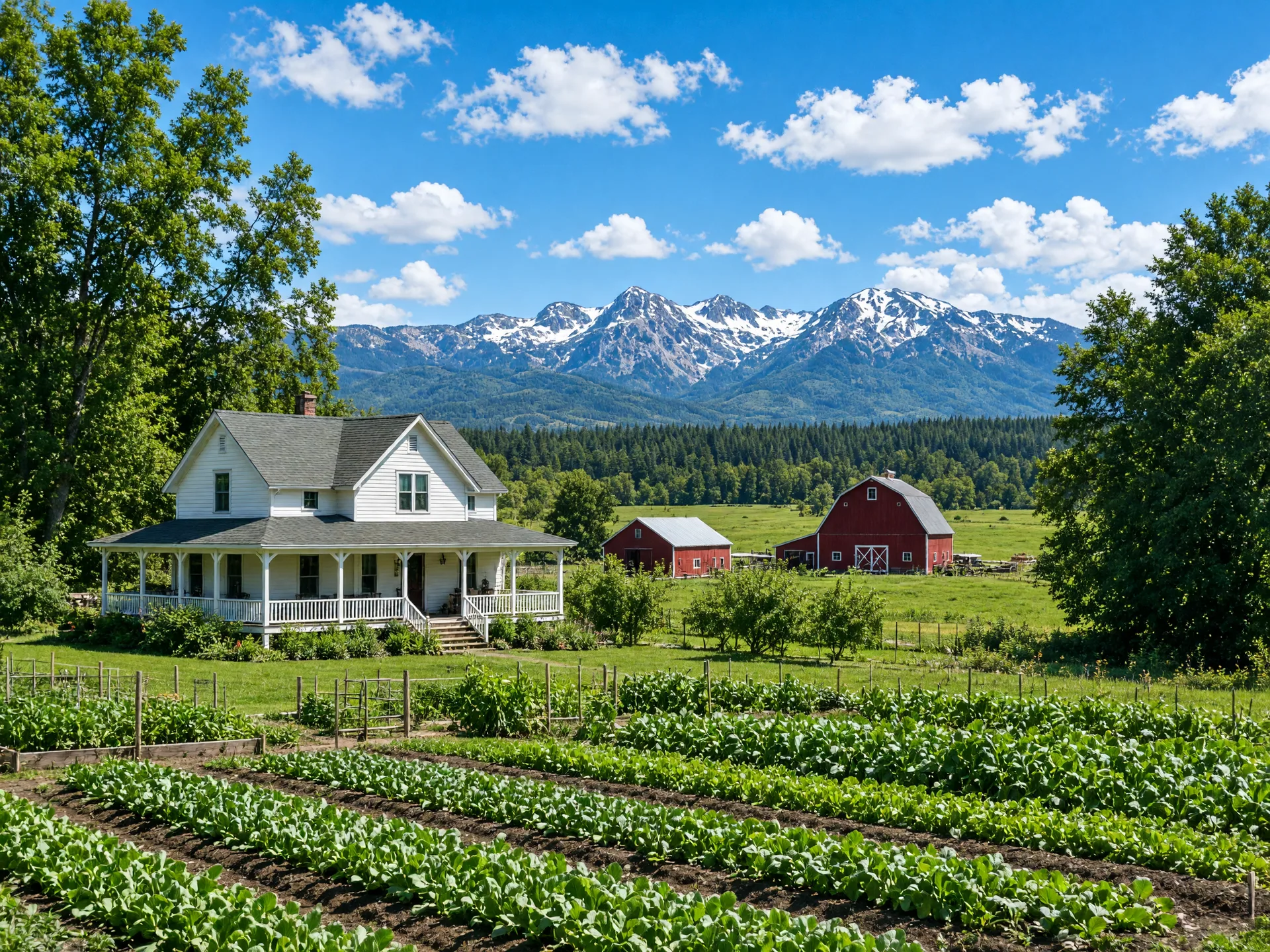
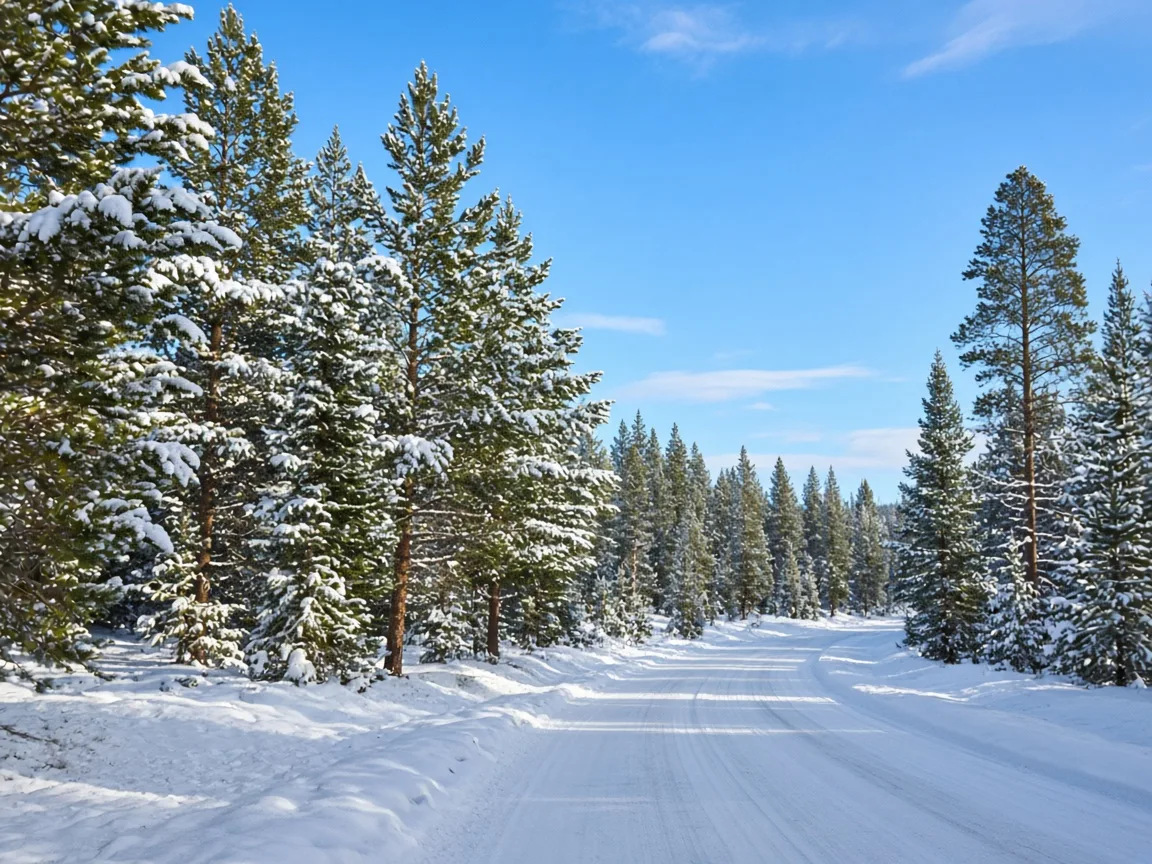
A forest trail ascending into tall pines in the Klamath Basin, habitat where black bears live.
The possibility of seeing a black bear can make a forest outing feel especially memorable. It can also raise understandable questions for hikers, campers and people considering homes near wooded areas. Black bears are part of Oregon's wildlife, but the best encounter is usually one in which the bear remains wild, undisturbed and uninterested in people.
Understanding Black Bear Habitat
American black bears use a variety of forested and brushy environments. Their movements reflect food availability, season and habitat conditions. Bears are capable of traveling substantial distances, so a sighting in one location does not mean that the animal permanently lives there.
Black bears are not always black. Coat color can vary, which is one reason identification should consider more than color alone.
Why Food Attracts Bears
A bear's powerful sense of smell helps it locate natural food. Unfortunately, unsecured garbage, pet food, birdseed, outdoor cooking areas and other human-associated food sources can also attract bears.
A bear that repeatedly obtains food around people may become more likely to return. Preventing access to attractants is one of the most important ways to reduce conflict.
Bear Safety While Hiking
Pay attention to your surroundings and avoid surprising wildlife. Make your presence known in appropriate situations, particularly where visibility is limited. Keep dogs controlled and do not approach cubs.
If you encounter a bear, remain calm, avoid running and follow current Oregon Department of Fish and Wildlife guidance. Give the animal an escape route. Do not attempt to photograph it at close range.
Bear behavior and encounter circumstances vary, so visitors should review official safety recommendations before traveling.
Camping and Food Storage
Keep food, garbage and scented supplies secured according to the rules of the campground or public land where you are staying. Never leave food unattended at a campsite.
Clean cooking areas, dispose of waste properly and do not assume a cooler left outside is secure.
Black Bears and Rural Homes
People buying wooded acreage sometimes focus on privacy, scenery and outdoor access without considering wildlife attractants.
Before moving into a forest-edge property, think about secure trash storage, pet feeding, fruit trees, gardens, livestock feed and outdoor cooking areas. Appropriate fencing and storage systems can reduce opportunities for conflict, although no single measure guarantees that wildlife will stay away.
What to Do if You See a Bear Near Your Property
Do not approach or feed it. Secure attractants and keep people and pets at a safe distance.
For recurring conflicts or concerning behavior, contact the appropriate wildlife authority for guidance. Do not attempt to trap or relocate a bear yourself.
Frequently Asked Questions
Are black bears present in Southern Oregon?
Yes. Black bears occupy suitable habitats across Oregon, including parts of Southern Oregon.
Do black bears always have black fur?
No. Their coats can vary in color.
Should I run if I encounter a bear?
No. Follow official bear-encounter guidance and avoid sudden actions that may worsen the situation.
Can a bear be attracted by pet food?
Yes. Pet food and other accessible food sources can attract wildlife.
Sources and Further Reading
- Oregon Department of Fish and Wildlife
- ODFW — Living With Wildlife
- National Park Service — Watching Wildlife
Conditions, access, weather, water quality, fees, and regulations can change. Verify current information with the managing agency and the official sources above before traveling.
Related reading
A home near the forest can be a wonderful place to live, but successful rural ownership includes understanding the animals that share the surrounding landscape. Lincoln Home can help you evaluate the practical side of wooded and rural properties.
Lincoln Home never implies a property offers guaranteed wildlife sightings, hunting access, water rights, development rights, or public-land access. Verify each of these independently for any specific parcel.