
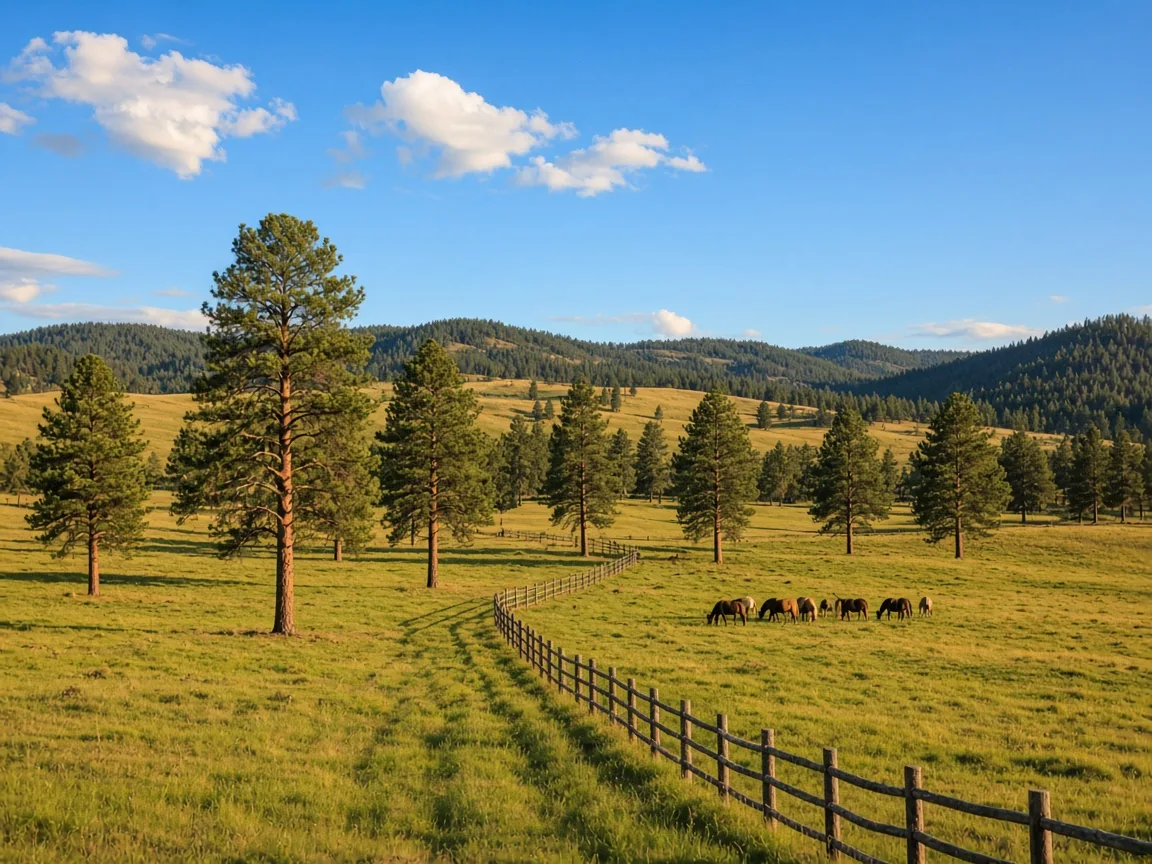
Open sagebrush and grassland country in Southern Oregon, habitat used by big-game wildlife.
A drive through Klamath County can feel like a tour through several different ecosystems. Ponderosa pine forest gives way to open sagebrush, agricultural valleys border wetlands, and mountain slopes rise toward the Cascades. That variety is one reason the region supports such interesting large mammals. Deer, elk and pronghorn are often discussed together, but they are not interchangeable animals. Each uses the landscape differently, and knowing those differences makes a wildlife sighting more meaningful.
Deer: Adaptable Neighbors Across Southern Oregon
Mule deer are familiar in much of eastern and south-central Oregon, including open woodland, shrubland and transitional mountain habitat. Black-tailed deer are more closely associated with western Oregon's wetter forest environments; local distribution varies by terrain. Deer may appear near residential edges, ranchland and roads, especially where food and cover overlap. Their activity can change with weather, season and human disturbance.
A deer standing beside a rural driveway may look peaceful, but wild animals should never be approached or fed. Feeding can concentrate animals, change behavior and create hazards. Drivers should be particularly attentive at dawn and dusk. When one deer crosses a road, others may follow.
Elk: Larger Animals, Bigger Space Requirements
Elk need substantial habitat and may move between forest cover, open feeding areas and seasonal ranges. Their movements are influenced by snow, forage and disturbance. Seeing elk from a safe distance is memorable; approaching a herd is not a better experience. Elk are powerful animals, and bulls during the breeding season and cows protecting calves can be dangerous.
For wildlife watchers, the best plan is often a patient one: scan open areas from lawful pullouts, use binoculars and let the animals decide how far away to remain. Avoid stopping in travel lanes or trespassing on private land.
Pronghorn: Specialists of the Open Country
Pronghorn are especially associated with broad, open sagebrush and grassland landscapes. Although commonly called “pronghorn antelope,” they are not true antelope. Their extraordinary speed and preference for open terrain make them a distinctive part of Oregon's high-desert wildlife.
Pronghorn viewing is generally a matter of patient observation across suitable open habitat, not walking toward an animal. Use binoculars, remain on public routes and avoid disturbing animals during sensitive seasons.
Seasons Change What You See
Wildlife patterns vary throughout the year. Spring brings new growth and young animals, summer can shift activity toward cooler hours, fall includes breeding behavior for some species, and winter conditions influence movement and habitat use. None of those seasonal patterns guarantees sightings. Weather, habitat, access and disturbance all matter.
Watch From a Distance
Use binoculars or a telephoto lens rather than approaching. Never feed deer, elk or pronghorn. Give animals room to move, particularly near roads and fences. If an animal changes its behavior because of your presence, you are too close.
Drivers should slow down where wildlife may cross. Collisions can seriously injure people and animals. Watch carefully at dawn and dusk, and remember that an animal beside the road may move unpredictably.
What Big-Game Wildlife Means for Rural Property
For some buyers, seeing deer from a porch or knowing elk move through nearby forest is part of the appeal of Klamath County. But wildlife-friendly landscapes can also bring practical responsibilities.
Deer may browse gardens and landscaping. Fencing needs may differ between a residential yard and a working ranch. Wildlife movement corridors, water sources and neighboring land uses can affect how a property functions. Buyers should verify fencing rules, land-use restrictions, access and actual parcel conditions rather than assuming a beautiful wildlife photograph describes everyday life.
A rural home should be evaluated for the full lifestyle it offers: road maintenance, winter access, utilities, insurance, wildfire risk, acreage upkeep and proximity to services.
Frequently Asked Questions
Are deer common around Klamath Falls?
Deer occur in suitable habitat around the region, but sightings vary by location, season and conditions.
Can I see elk in Klamath County?
Elk occur in parts of the region. The best approach is to learn about appropriate habitat and observe from a safe, lawful distance.
Where are pronghorn found?
Pronghorn are associated with open high-desert environments, including suitable areas of south-central and eastern Oregon.
Should I feed deer near my home?
No. Feeding wildlife can change behavior, create conflicts and harm animals.
Sources and Further Reading
- Oregon Department of Fish and Wildlife
- ODFW — Living With Wildlife
- Oregon Department of Transportation
Conditions, access, weather, water quality, fees, and regulations can change. Verify current information with the managing agency and the official sources above before traveling.
Related reading
If you imagine a Southern Oregon home where open space and wildlife are part of everyday life, Lincoln Home can help you compare that dream with the practical details of rural property ownership.
Lincoln Home never implies a property offers guaranteed wildlife sightings, hunting access, water rights, development rights, or public-land access. Verify each of these independently for any specific parcel.