
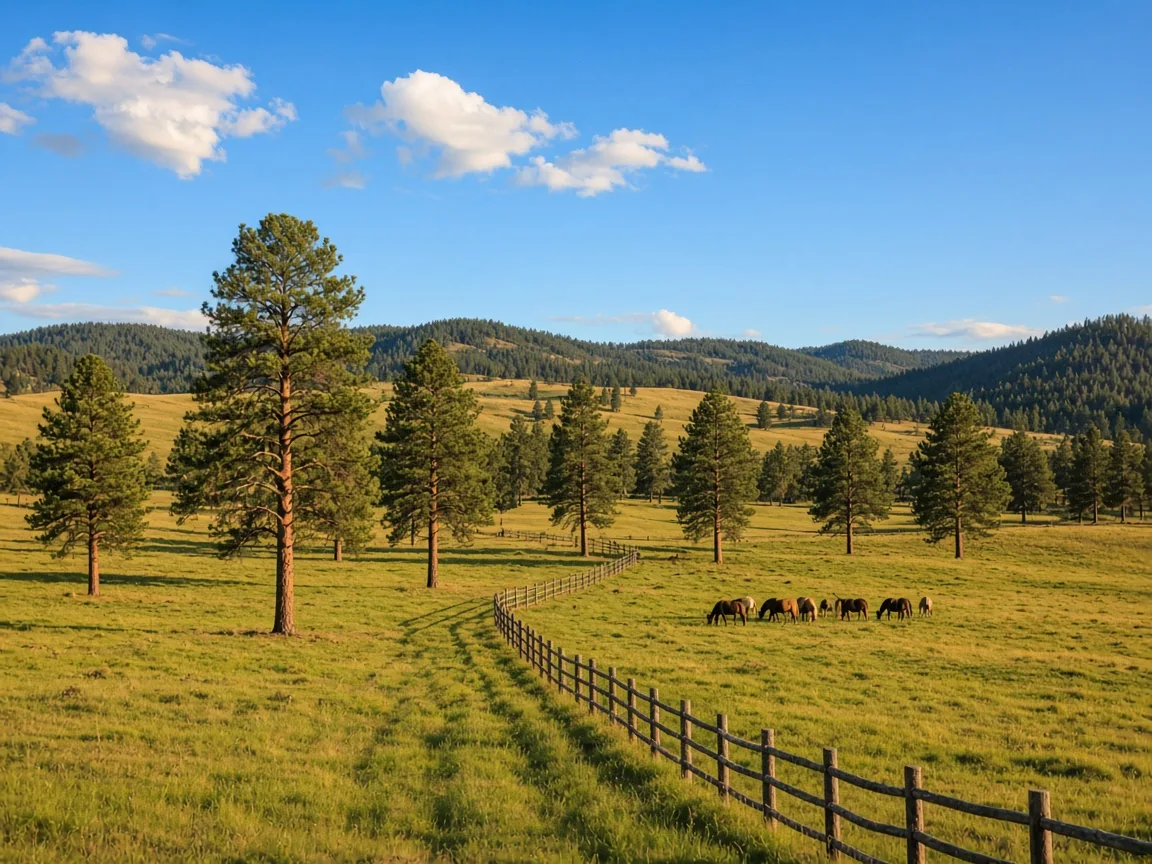
Open grassland and brush country in the Klamath Basin, habitat used by coyotes, foxes, and bobcats.
Some of the Klamath Basin's most interesting wildlife is rarely seen for more than a few seconds. A coyote may cross an open field at dawn, a fox may disappear into brush, or a bobcat may move quietly along the edge of a wooded area. These animals are part of the region's ecosystems, and understanding their behavior can make both wildlife watching and rural living more rewarding.
Coyotes: Adaptable and Often Heard
Coyotes occupy many kinds of habitat, from open country to the edges of developed communities. Their calls can be surprisingly loud and may travel across a valley on a quiet evening.
Hearing coyotes does not necessarily mean they are immediately nearby, and their vocalizations should not be treated as evidence of an attack or emergency.
Coyotes can be attracted by unsecured garbage, pet food and other food sources. Avoid feeding them, and supervise small pets outdoors.
Foxes: Smaller, Often Secretive Predators
Foxes are generally smaller than coyotes and can be difficult to observe. Their habits and preferred habitats vary by species.
A fleeting sighting is best enjoyed from a distance. Never approach a den or attempt to handle a fox.
Bobcats: Quiet Hunters
Bobcats are native wild cats that use cover and often avoid human activity. Their spotted coats, short tails and distinctive appearance make them memorable when seen.
Although bobcats usually avoid people, they are wild predators and should not be approached or fed.
Why Predators Matter
Coyotes, foxes and bobcats help shape ecological relationships through their interactions with prey and other wildlife.
Their presence is part of a functioning landscape, not automatically a sign that something is wrong.
Living With Predators Near Home
The most useful precautions are practical:
Secure garbage and animal feed. Avoid leaving pet food outside. Supervise pets, particularly small animals, and use appropriate fencing or secure enclosures for poultry and other vulnerable livestock.
Do not intentionally attract wildlife for photographs.
If an animal behaves aggressively, appears ill or creates a recurring conflict, contact the appropriate wildlife authority.
Wildlife Viewing Without Interference
Use binoculars or a camera with a suitable lens. Never follow an animal to a den, use food as bait or enter private property without permission.
A brief, natural sighting is far better than a prolonged encounter created through disturbance.
Frequently Asked Questions
Are coyotes found near Klamath Falls?
Coyotes occur in suitable habitats throughout much of Oregon, including the Klamath Basin.
Are bobcats dangerous to people?
Bobcats generally avoid people, but they remain wild animals and should never be approached.
How can I protect small pets?
Supervise them outdoors, use secure enclosures where appropriate and avoid leaving food attractants outside.
Should I feed a fox or coyote?
No. Feeding can change wildlife behavior and increase conflict.
Sources and Further Reading
Conditions, access, weather, water quality, fees, and regulations can change. Verify current information with the managing agency and the official sources above before traveling.
Related reading
For buyers considering acreage or a home near open space, understanding local wildlife is part of understanding the property. Lincoln Home can help you evaluate fencing, outbuildings, land use and everyday rural-living considerations.
Lincoln Home never implies a property offers guaranteed wildlife sightings, hunting access, water rights, development rights, or public-land access. Verify each of these independently for any specific parcel.