
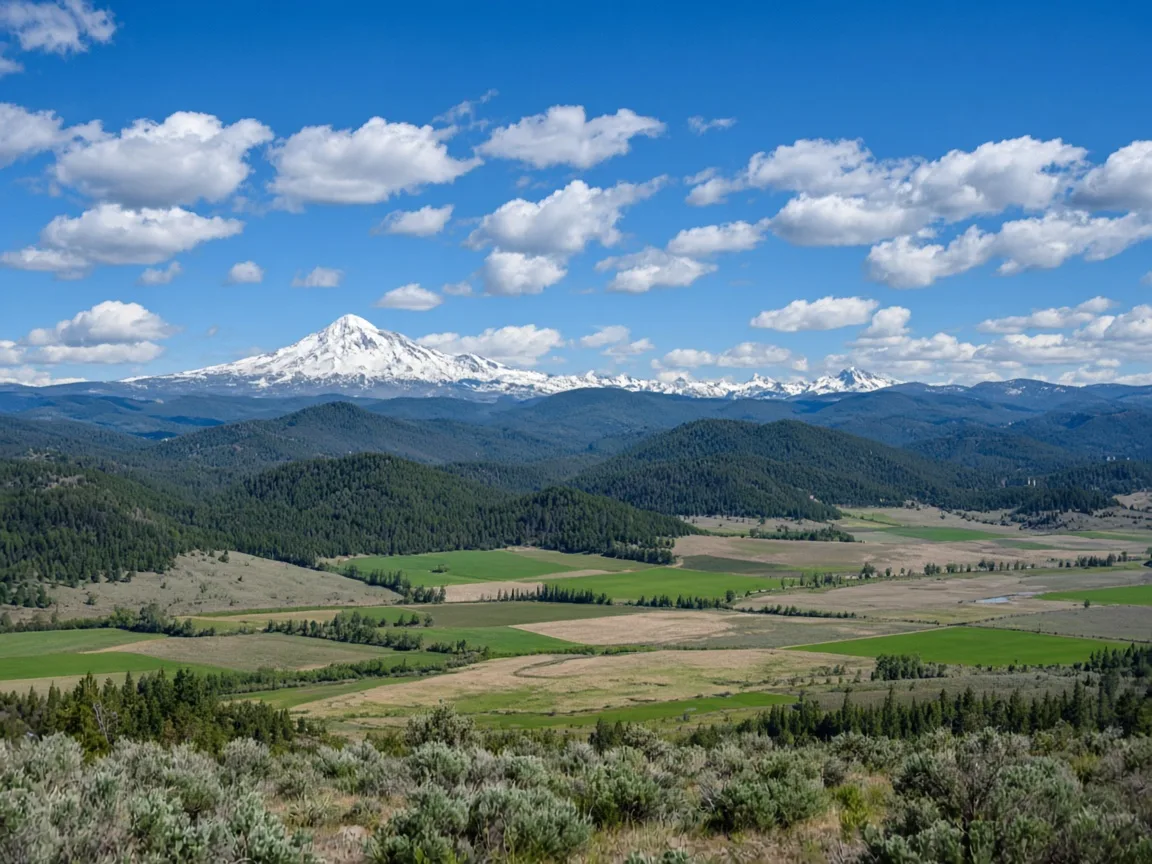
Wetland channels and open water in the Klamath Basin, habitat for beavers, river otters, and muskrats.
The Klamath Basin's wetlands are full of life that is easy to overlook. A ripple near a bank may reveal a swimming mammal, a trail through vegetation may show where an animal regularly travels, and a carefully observed shoreline can tell a story about the habitat.
Beavers, river otters and muskrats are all associated with aquatic environments, but they have different bodies, behaviors and ecological roles.
Beavers: Animals That Change Their Surroundings
Beavers are known for cutting woody vegetation and building dams or lodges where conditions permit.
Their activities can alter water movement and create or maintain wetland habitat.
Beavers are substantial rodents with broad, flattened tails. They are often most active during lower-light periods.
Their work can benefit habitat, but it can also create conflicts where flooding or tree damage affects roads, farms or developed property.
River Otters: Active Aquatic Predators
River otters are streamlined mammals adapted for swimming.
They feed on aquatic prey and may travel along waterways and shorelines.
Otters can be playful in appearance, but they are wild predators and should be observed without interference.
Muskrats: Smaller Wetland Residents
Muskrats are smaller rodents commonly associated with marshes and other aquatic habitats.
They have narrow tails and use wetland vegetation for food and shelter.
Because muskrats and beavers may occupy similar environments, a quick sighting can lead to confusion.
How to Tell Them Apart
A beaver is generally much larger and has a broad, flattened tail.
A river otter has a long, streamlined body and a thick, tapering tail.
A muskrat is smaller, with a relatively slender tail and a compact appearance in the water.
Observers should use multiple characteristics rather than identifying an animal from a distant silhouette alone.
Why Wetlands Matter
Wetlands provide habitat for mammals, fish, birds and other wildlife.
They also influence water movement and ecological processes.
Changes in water levels, vegetation and human activity can affect the animals that depend on them.
Watching Wetland Wildlife Responsibly
Choose public viewing areas and remain on designated routes.
Avoid approaching lodges, dens or resting animals.
Never disturb habitat structures or enter restricted areas.
Binoculars can help reveal behavior without forcing animals to respond to your presence.
Wetlands and Property Ownership
A wetland view can be appealing, but nearby land may be subject to flooding, drainage limitations, conservation rules or other restrictions.
Buyers should investigate parcel-specific conditions before assuming land can be filled, cleared, drained or developed.
Wildlife habitat and private property rights can involve overlapping responsibilities.
Frequently Asked Questions
Are beavers found in Oregon wetlands?
Yes. Beavers are native to Oregon and use suitable aquatic habitats.
Do river otters build dams?
No. Dam building is associated with beavers.
Can I remove a beaver dam from my property?
Applicable rules and circumstances vary. Consult the appropriate agencies before altering habitat or water flow.
Are wetlands suitable for building?
Development suitability depends on site conditions, applicable regulations and required permits.
Sources and Further Reading
- Oregon Department of Fish and Wildlife
- U.S. Fish and Wildlife Service
- Oregon Department of State Lands
Conditions, access, weather, water quality, fees, and regulations can change. Verify current information with the managing agency and the official sources above before traveling.
Related reading
If a wetland-adjacent property catches your attention, Lincoln Home can help you identify the questions to ask about water, access, environmental constraints and long-term ownership.
Lincoln Home never implies a property offers guaranteed wildlife sightings, hunting access, water rights, development rights, or public-land access. Verify each of these independently for any specific parcel.