
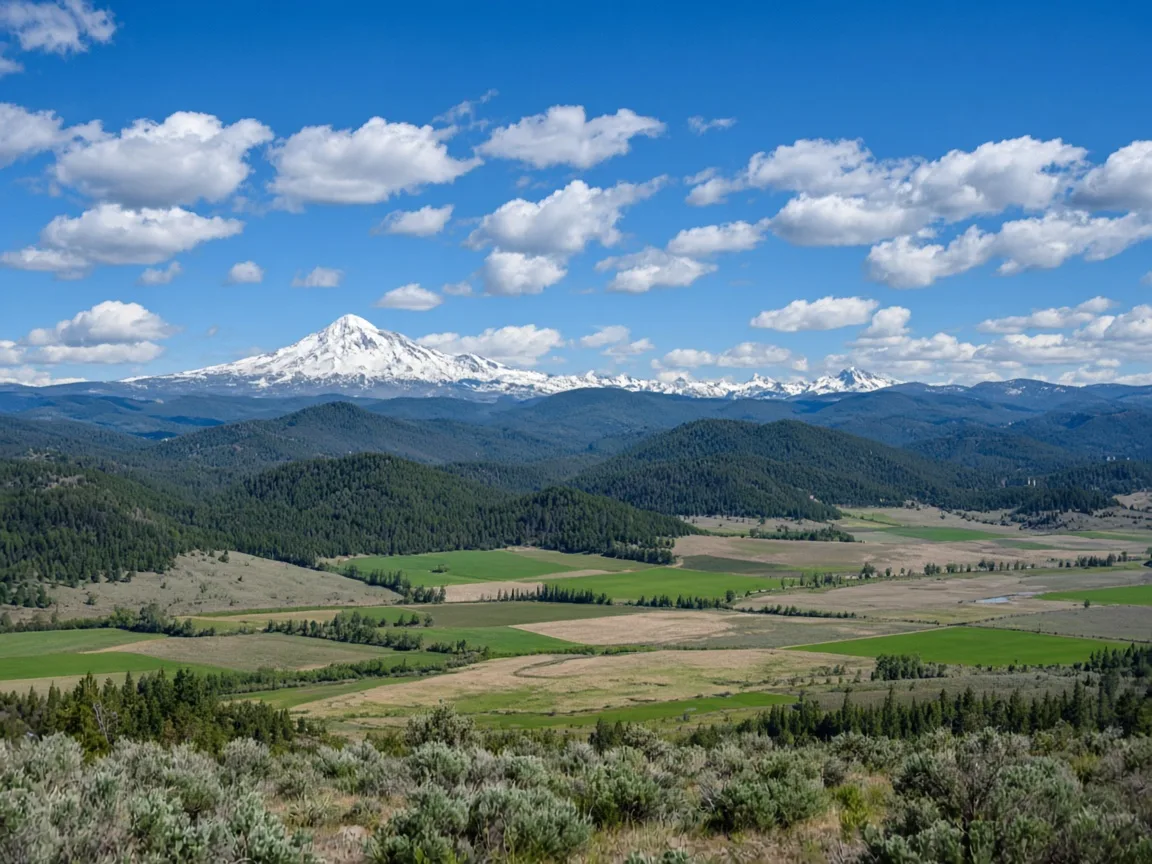
A Klamath Basin wetland at dawn, a landscape best appreciated from lawful paddling routes and viewpoints.
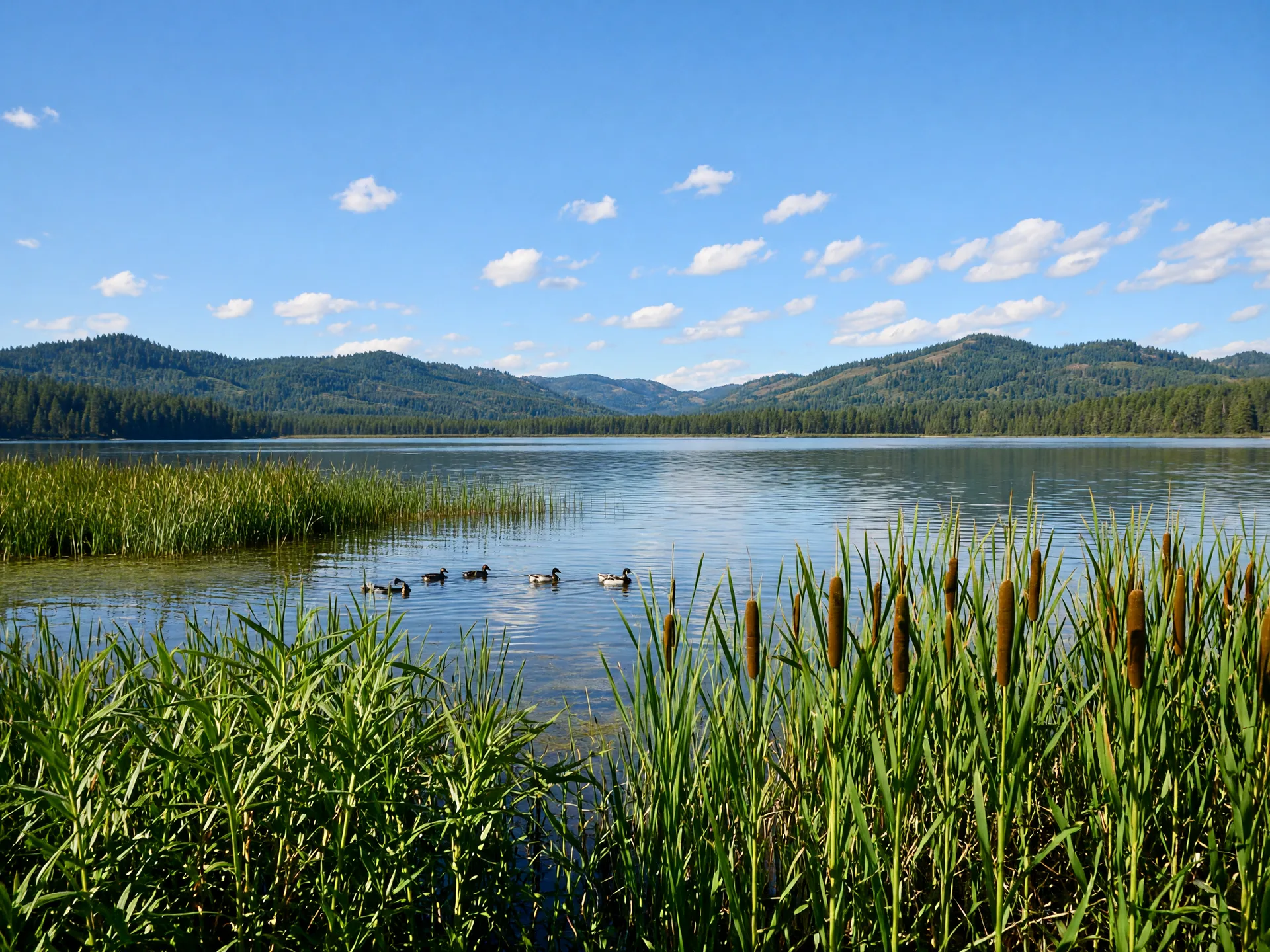
From shore, a wetland can look like an endless field of reeds. From a lawful paddling route, you may notice birds moving through channels, reflections of distant hills and the subtle activity of aquatic mammals. Water-level wildlife watching can be extraordinary, but the privilege of a closer viewpoint comes with responsibility.
A Region Known for Birds
The Klamath Basin is important to migratory birds and contains major refuge habitats. Waterfowl, wading birds and raptors use the region at different times of year. Species and numbers vary, so avoid expecting a particular sighting on demand.
Choose an Appropriate Waterway
Not all wildlife refuge waters are open to paddling, and some have seasonal closures or special rules. Check the specific refuge or land manager before launching. Public roads and designated observation points may provide a better viewing experience than entering sensitive habitat.
Give Wildlife Space
Do not paddle toward resting flocks, nests or young animals. If birds repeatedly flush, call in alarm or move away, you are too close. Use binoculars or a camera lens rather than approaching. Never use food to attract wildlife.
Safety on the Water
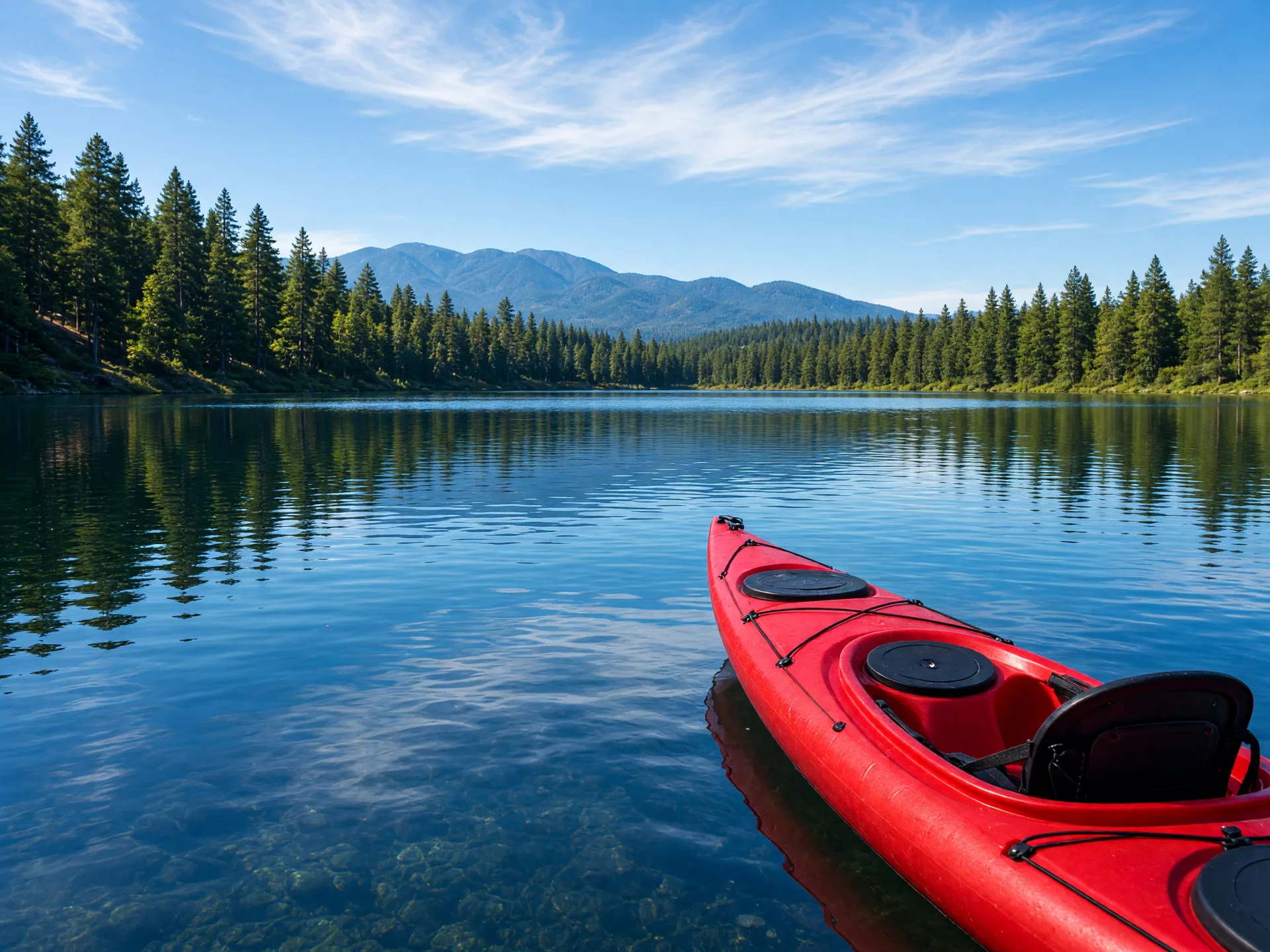
Wear a life jacket, check wind and weather, carry appropriate safety gear and know your return route. Wetland channels can be confusing; shallow water and submerged vegetation may limit movement. Avoid paddling alone in unfamiliar locations.
Photographing Without Disturbance
A photograph of a bird in its habitat can be more meaningful than an extreme close-up. Respect seasonal restrictions, avoid sharing sensitive nest locations and do not use drones where prohibited.
Why Wetlands Matter to Residents
Wetlands are living systems, not vacant land waiting to be developed. People considering nearby property should investigate flood risk, drainage, conservation restrictions and access rights. The opportunity to observe wildlife may be a wonderful benefit, but it does not imply unrestricted shoreline use.
Seasonal access rules apply on refuge waters
Not all wildlife refuge waters are open to paddling, and some have seasonal closures or special rules. Check the specific refuge or land manager before launching, and never infer water access from a map appearance alone. Wear a life jacket, check wind and weather, and keep a respectful distance from wildlife.
Conditions change. Verify lake information before you go.
Lake conditions, access, weather, water quality, fees, and regulations can change at any time. Verify current information with the managing agency and the official sources on this page before traveling. Never assume that a lake suitable for one activity is suitable for another.
Frequently Asked Questions
Can I paddle inside wildlife refuges?
Only where permitted. Rules vary by refuge, area and season.
When are birds easiest to see?
Migration seasons can offer opportunities, but timing depends on weather and species.
Can I approach a bird for a better picture?
No. Keep enough distance to avoid changing its behavior.
Sources and Further Reading
- U.S. Fish and Wildlife Service
- Lower Klamath National Wildlife Refuge
- Oregon State Marine Board
- ODFW
Conditions, access, weather, water quality, fees, and regulations can change. Verify current information with the managing agency and the official sources above before traveling. On water-quality pages, the current Oregon Health Authority advisory page is the reference for harmful algal bloom status.
Related reading
Love the idea of living close to wetlands and open space? Explore Lincoln Home's lake-area and rural-living guides, and ask about the practical tradeoffs of a specific property.