
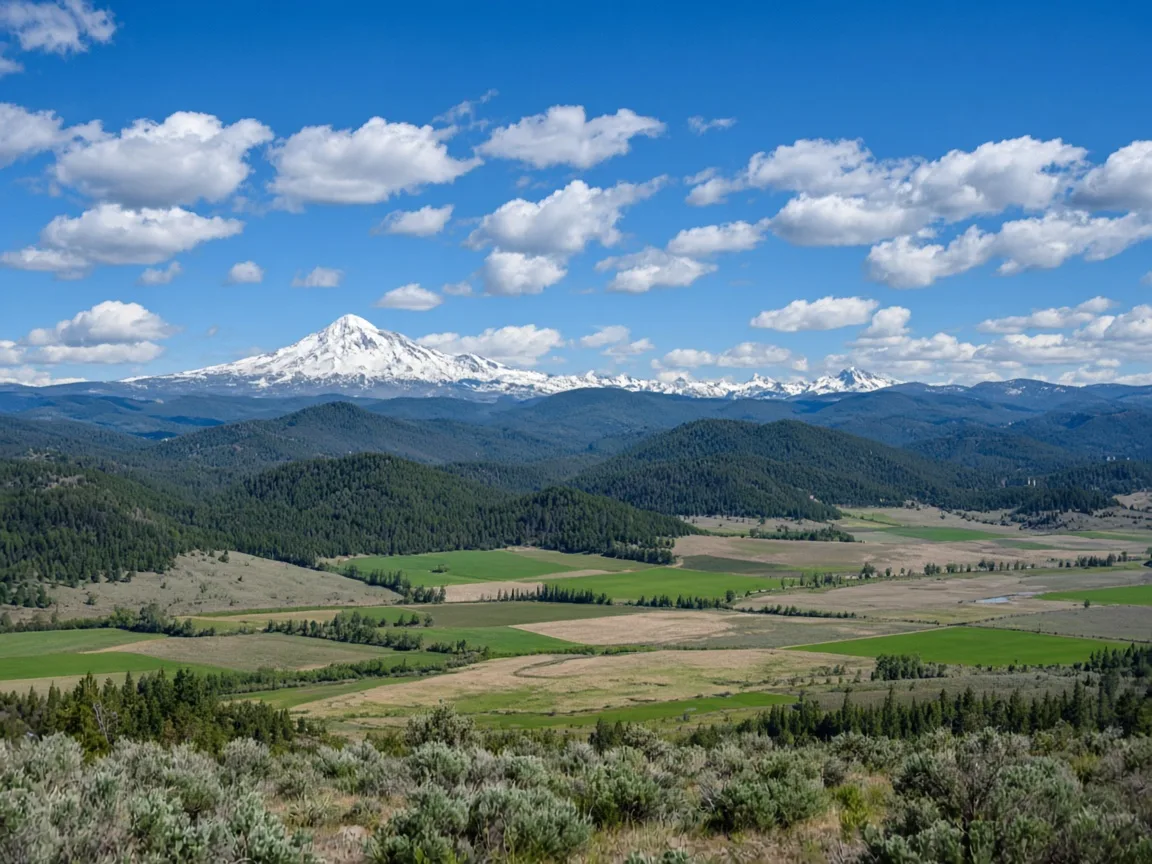
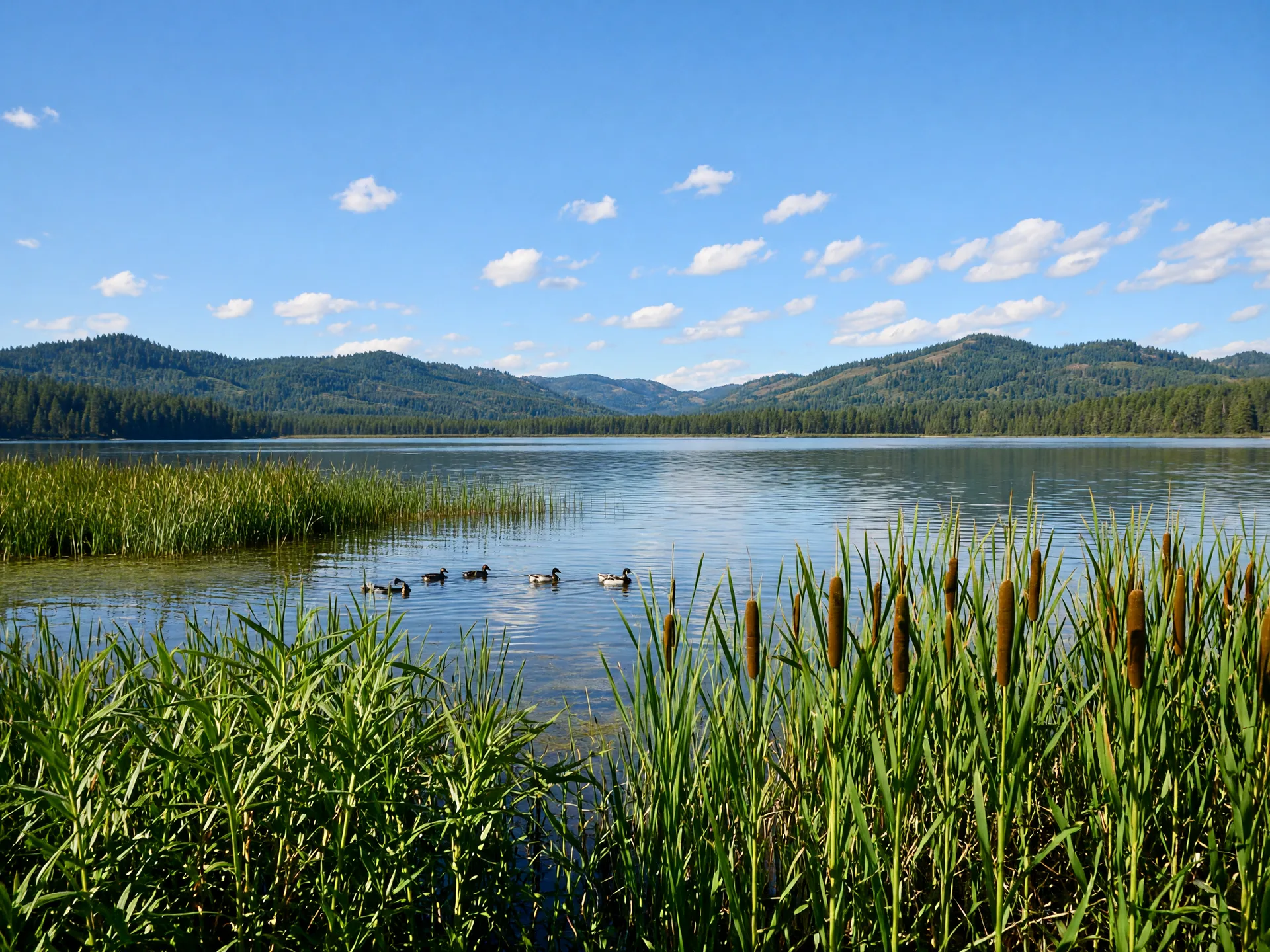
Lower Klamath wetland panorama with open water, reeds, and low hills.
Lower Klamath National Wildlife Refuge is the kind of place that rewards people who are willing to slow down.
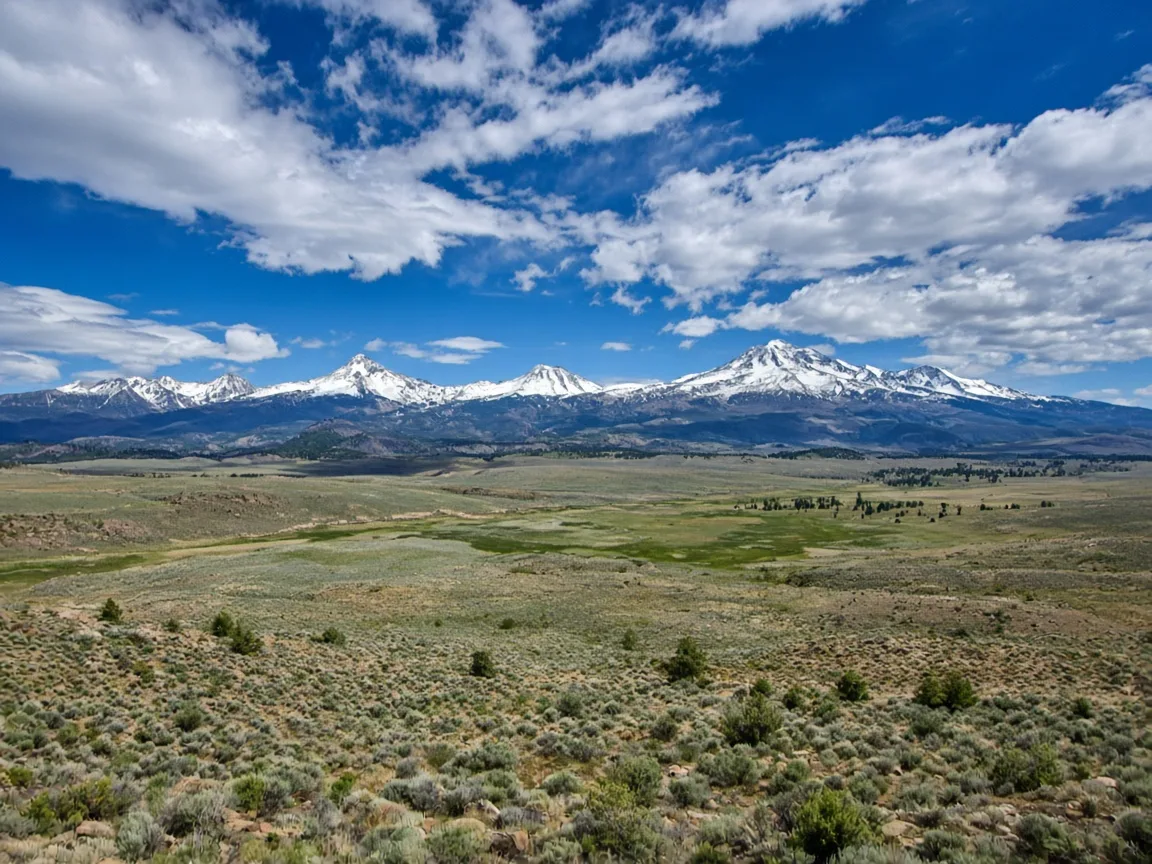
At first glance, you might see water, reeds, open fields, and distant mountains.
Spend a little more time looking, and the landscape begins to move.
Ducks cross the water. A hawk circles overhead. A heron works along the shoreline.
Sometimes the most memorable moment is simply hearing birds calling across an otherwise quiet wetland.
America's First Waterfowl Refuge
Lower Klamath National Wildlife Refuge was established in 1908 by President Theodore Roosevelt, making it the nation's first waterfowl refuge.
That designation reflects the long-recognized importance of the area's wetlands to migratory birds.
The refuge spans portions of Southern Oregon and northeastern California and is managed as part of the larger Klamath Basin National Wildlife Refuge Complex.
What Wildlife Might You See?
Depending on season and habitat conditions, visitors may encounter ducks, geese, swans, herons, pelicans, raptors, and other wetland-associated wildlife.
Winter can be especially interesting for waterfowl and bald eagles.
Spring and fall bring migration activity, while summer offers opportunities to observe breeding birds and the broader wetland ecosystem.
Wildlife sightings are never guaranteed.
Water conditions and access restrictions can change substantially.
Planning Your Visit
Before leaving, check the official refuge website for current public access, road conditions, and any closures.
Bring binoculars, water, appropriate clothing, and a camera if you enjoy photography.
A vehicle can be useful for wildlife observation where authorized routes permit it.
Avoid driving onto unmarked roads or assuming that a dry-looking area is safe to cross.
Wetland soils can be deceptively soft.
Why the Refuge Matters
Lower Klamath protects habitat in a region where historical wetlands have been significantly reduced.
Its conservation story includes the challenge of balancing water availability, agricultural activity, ecological restoration, and the needs of migratory birds.
That makes it more than a recreational destination.
It's a place where visitors can observe the results of land and water management decisions.
Respecting Refuge Rules
Wildlife refuges exist primarily to conserve wildlife and habitat.
Public recreation is allowed only where compatible with that mission.
Stay on authorized routes, obey signs, and avoid disturbing birds.
Hunting may be permitted in designated areas under applicable regulations, so visitors should understand seasonal uses.
Living Near the Refuge
The refuge is one of several natural destinations accessible from the greater Klamath Falls area.
Explore Lincoln Home's local community guides to learn more about living in Southern Oregon.
Frequently Asked Questions
Where is Lower Klamath National Wildlife Refuge?
It is in the Klamath Basin along the Oregon–California border.
Is it open year-round?
Access and available activities can vary by season and conditions. Check official notices.
Is it suitable for beginner birdwatchers?
Yes, provided visitors choose authorized viewing areas and prepare for changing conditions.
Sources and Further Reading
- Lower Klamath National Wildlife Refuge, U.S. Fish and Wildlife Service
- U.S. Fish and Wildlife Service
Conditions, access, weather, water quality, fees, and regulations can change. Verify current information with the managing agency and the official sources above before traveling.
Related reading
The refuge is one of several natural destinations accessible from the greater Klamath Falls area. Explore Lincoln Home's local community guides to learn more about living in Southern Oregon.
Lincoln Home never implies a property offers guaranteed wildlife sightings, hunting access, water rights, development rights, or public-land access. Verify each of these independently for any specific parcel.