
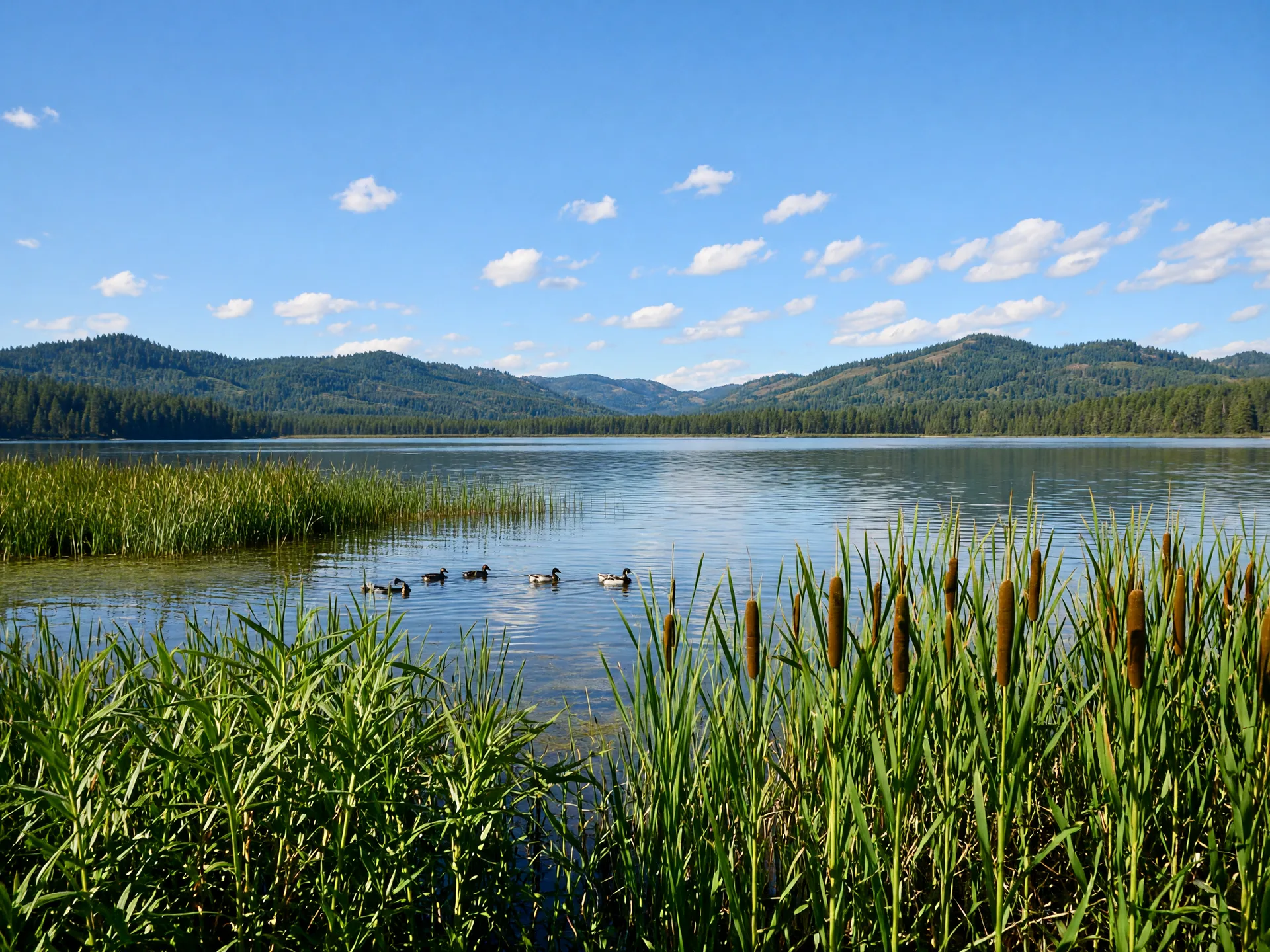
Klamath Basin wetlands in changing light, a landscape made for patient wildlife photography.
The Klamath Basin can reward photographers who know how to wait. Migrating birds may sweep over the wetlands, deer may appear along the forest edge, and changing light can transform a familiar lake into something extraordinary. But the best wildlife photograph is never worth stressing an animal, entering a closed habitat or putting a person in danger.
Start With Habitat and Season
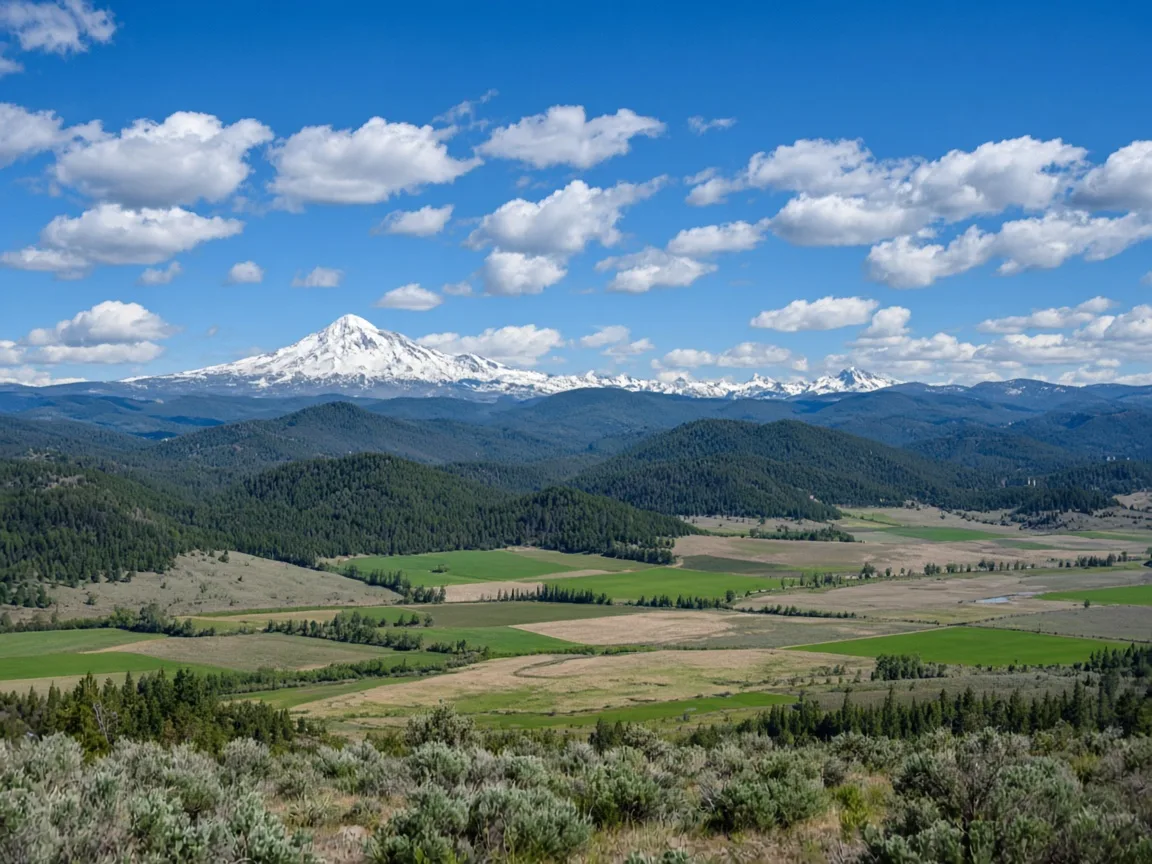
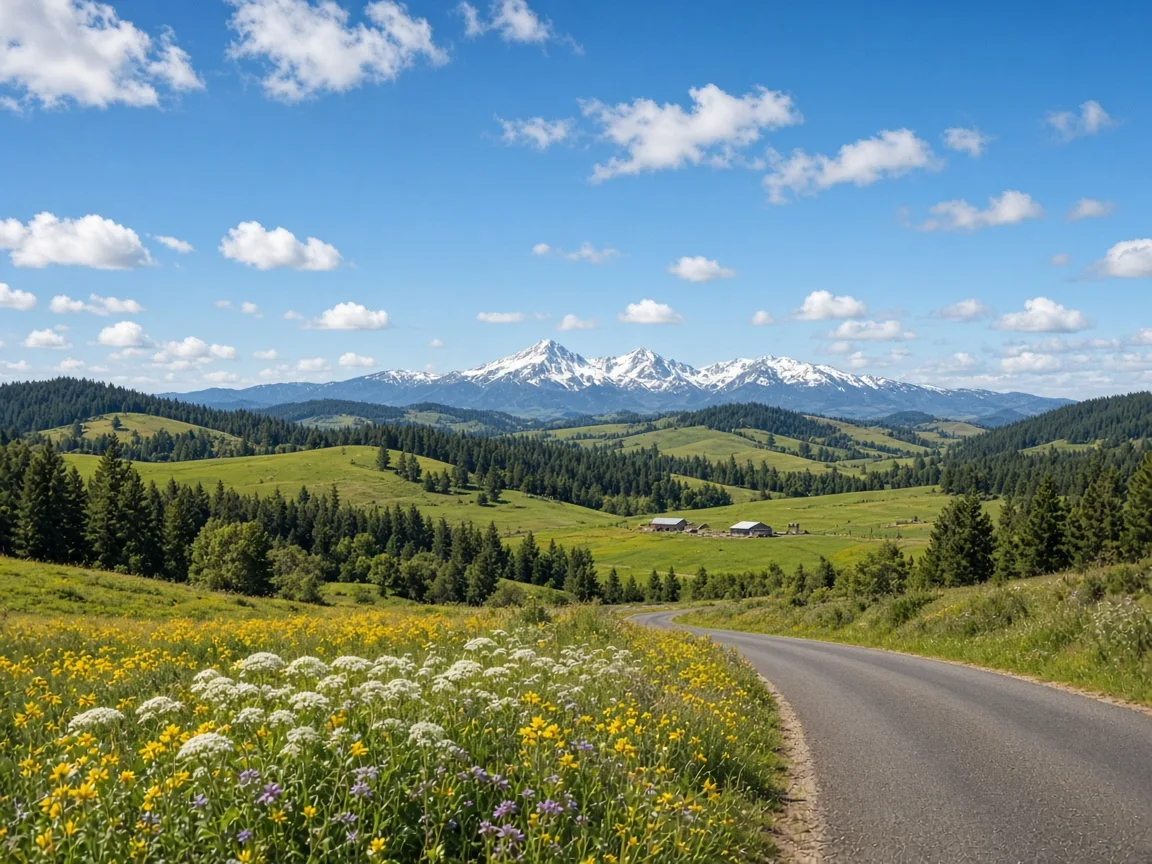
Rather than chasing reports of a particular animal, learn what kinds of habitat different species use. Wetlands attract waterbirds and other aquatic wildlife. Open country may offer opportunities to observe pronghorn or raptors. Forest edges can support deer and many smaller animals. Conditions change with migration, weather, water levels and seasonal access restrictions, so check official refuge and land-management updates.
The Light Is Part of the Story
Early and late daylight often provide attractive light and can coincide with animal activity. That does not justify entering closed areas or approaching wildlife more closely. A longer lens and patient observation are safer than pursuing an animal for a tighter frame.
Ethical Wildlife Photography
Keep enough distance that an animal can behave normally. Never bait wildlife, disturb nests, approach dens or use calls to provoke a response where prohibited or inappropriate. Avoid geotagging sensitive nest or den locations. Follow drone restrictions, which vary across parks, refuges and other public lands. Respect private property and never block roads or refuge access.
Photographing Birds in the Klamath Basin
The region's wetlands and migratory bird habitats are a major draw. A photographer can often create compelling images from designated public viewing areas. A bird in its habitat can tell a stronger story than a close-up obtained through disturbance. Use the setting—reeds, reflected sky, volcanic hills—to show why the basin matters.
Wildlife Photography and Living in Southern Oregon
For residents, the opportunity to return to a favorite landscape through the seasons can be more rewarding than a single hurried visit. People considering homes near open space should still evaluate property access, road conditions, neighboring land uses and habitat restrictions. Wildlife viewing is an opportunity, never a guarantee attached to a listing.
Frequently Asked Questions
Do I need an expensive camera?
No. Binoculars, a phone camera and careful observation can make a rewarding outing. Specialized lenses are helpful for distant subjects but do not replace good judgment.
Can I use a drone for wildlife photos?
Rules vary, and disturbing wildlife may be prohibited. Verify restrictions for the exact location before flying.
Where should beginners start?
Established public viewpoints and wildlife refuge visitor areas are better starting points than sensitive or remote habitats.
Sources and Further Reading
- U.S. Fish and Wildlife Service
- National Park Service — Watching Wildlife
- Oregon Department of Fish and Wildlife
Conditions, access, weather, water quality, fees, and regulations can change. Verify current information with the managing agency and the official sources above before traveling.
Related reading
If nature photography is part of the life you imagine in Southern Oregon, explore Lincoln Home's communities and rural-property resources, and let's talk about the daily realities of living close to open space.
Lincoln Home never implies a property offers guaranteed wildlife sightings, hunting access, water rights, development rights, or public-land access. Verify each of these independently for any specific parcel.