
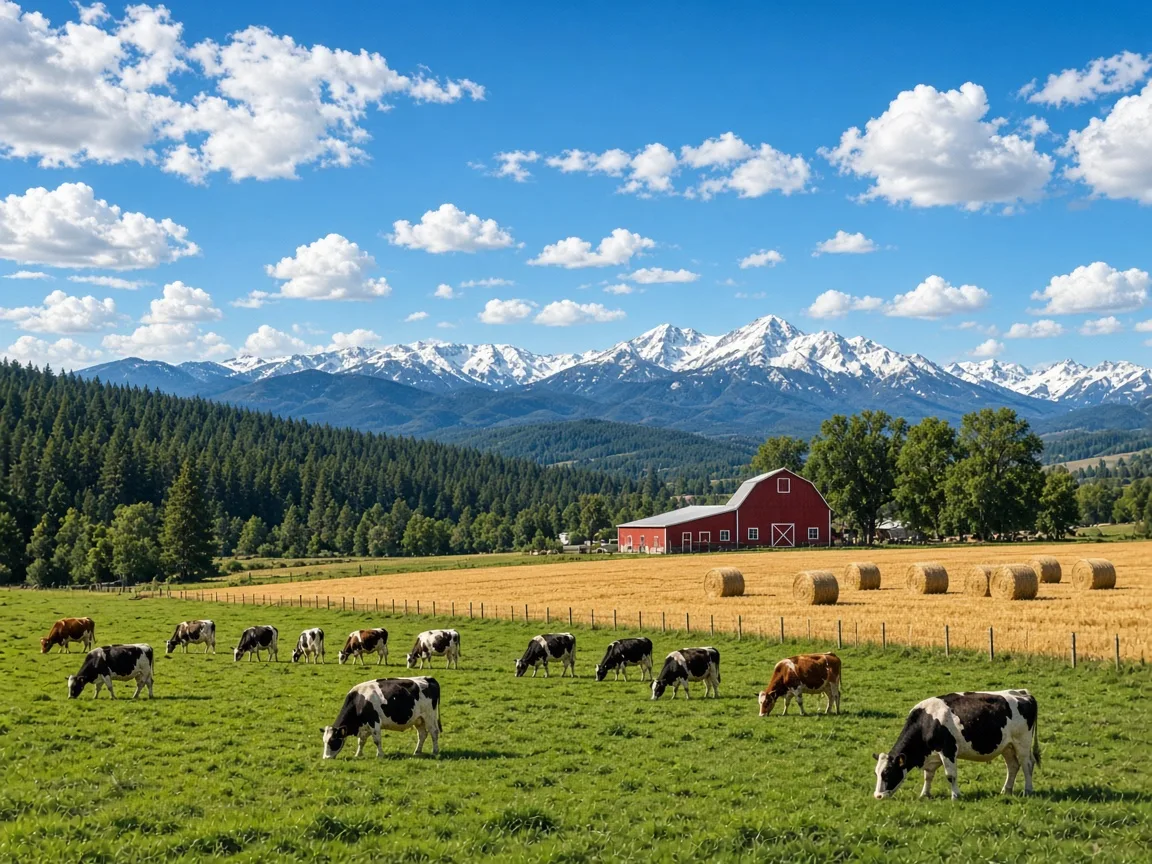
Broad Klamath Marsh landscape with open wetland water, sedges, and pine forest.
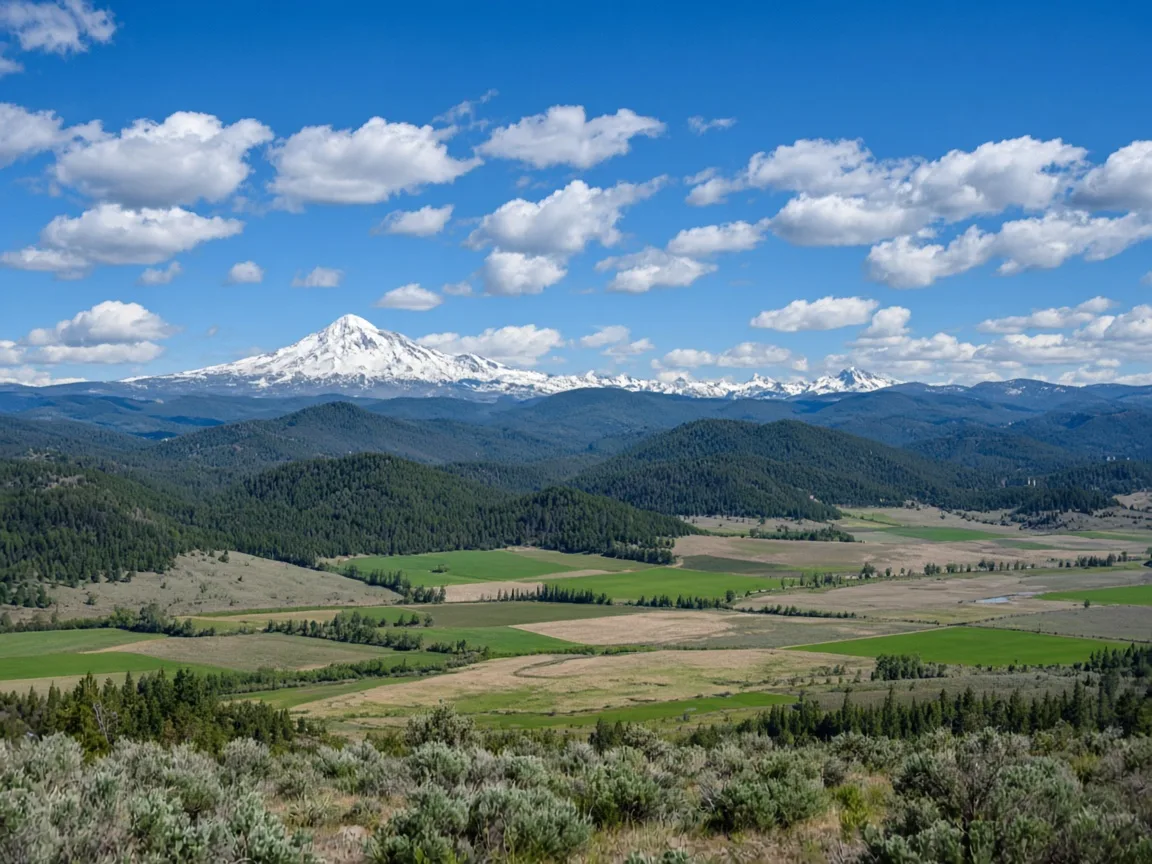
North of Klamath Falls, the landscape begins to tell a slightly different story.
Forests, open meadows, and wetlands create a broad natural setting where seasonal changes are especially noticeable.
Spring brings water and returning birds.
Summer transforms vegetation.
Autumn changes the colors of the landscape, and winter can bring snow and difficult travel conditions.
Klamath Marsh National Wildlife Refuge protects part of this northern basin environment.
A Wetland With a Strong Natural Identity
Klamath Marsh is part of the broader Klamath Basin National Wildlife Refuge Complex.
Its freshwater marsh and surrounding habitats support waterbirds, other wildlife, and ecological processes associated with seasonal water conditions.
Wetlands like these can appear dramatically different throughout the year.
Water levels, vegetation growth, and migration patterns change what visitors see.
What Wildlife Should Visitors Look For?
Depending on the season, the marsh landscape may support ducks, geese, cranes, raptors, songbirds, and other wetland-associated species.
The surrounding forest and meadow habitats can also provide opportunities to observe mammals and woodland birds.
A quiet approach is often the most productive.
Rather than driving rapidly between locations, take time to listen and scan habitat edges.
Planning for Remote Conditions
The northern Klamath Basin is less urbanized than central Klamath Falls.
Visitors should prepare for variable road conditions, limited services, and changing weather.
Some routes may be unsuitable for ordinary passenger vehicles during wet or snowy conditions.
Download maps before leaving, carry extra water, and tell someone where you're going when traveling into remote areas.
Check the refuge's official visitor guidance for authorized access and current restrictions.
Understanding the Role of Water
A marsh depends on the interaction of water, soil, vegetation, and seasonal climate.
When water conditions change, wildlife distribution changes too.
Visitors who return in different seasons may discover that the same landscape supports very different experiences.
That variability is part of what makes wetlands fascinating.
Why Protected Habitat Matters to Nearby Communities
Wildlife refuges contribute to regional biodiversity, environmental education, and opportunities for nature-based recreation.
They also help preserve landscapes that define the character of Southern Oregon.
For residents, protected areas are part of a larger network of public lands, working forests, ranches, and communities.
The challenge is maintaining that landscape's ecological health while supporting responsible human use.
Living in Northern Klamath County
Northern Klamath County offers a different rural lifestyle from central Klamath Falls.
Buyers should investigate road access, winter conditions, utilities, and land-use restrictions before choosing a property.
Frequently Asked Questions
Where is Klamath Marsh National Wildlife Refuge?
It is in northern Klamath County, Oregon.
What is the best season to visit?
Spring and summer can offer interesting wetland activity, but access and wildlife conditions vary.
Is the refuge suitable for casual visitors?
It can be, provided visitors review current access information and prepare for a relatively remote setting.
Sources and Further Reading
- Klamath Marsh National Wildlife Refuge, U.S. Fish and Wildlife Service
- U.S. Fish and Wildlife Service
Conditions, access, weather, water quality, fees, and regulations can change. Verify current information with the managing agency and the official sources above before traveling.
Related reading
Northern Klamath County offers a different rural lifestyle from central Klamath Falls. Learn more in Lincoln Home's community guides.
Lincoln Home never implies a property offers guaranteed wildlife sightings, hunting access, water rights, development rights, or public-land access. Verify each of these independently for any specific parcel.