
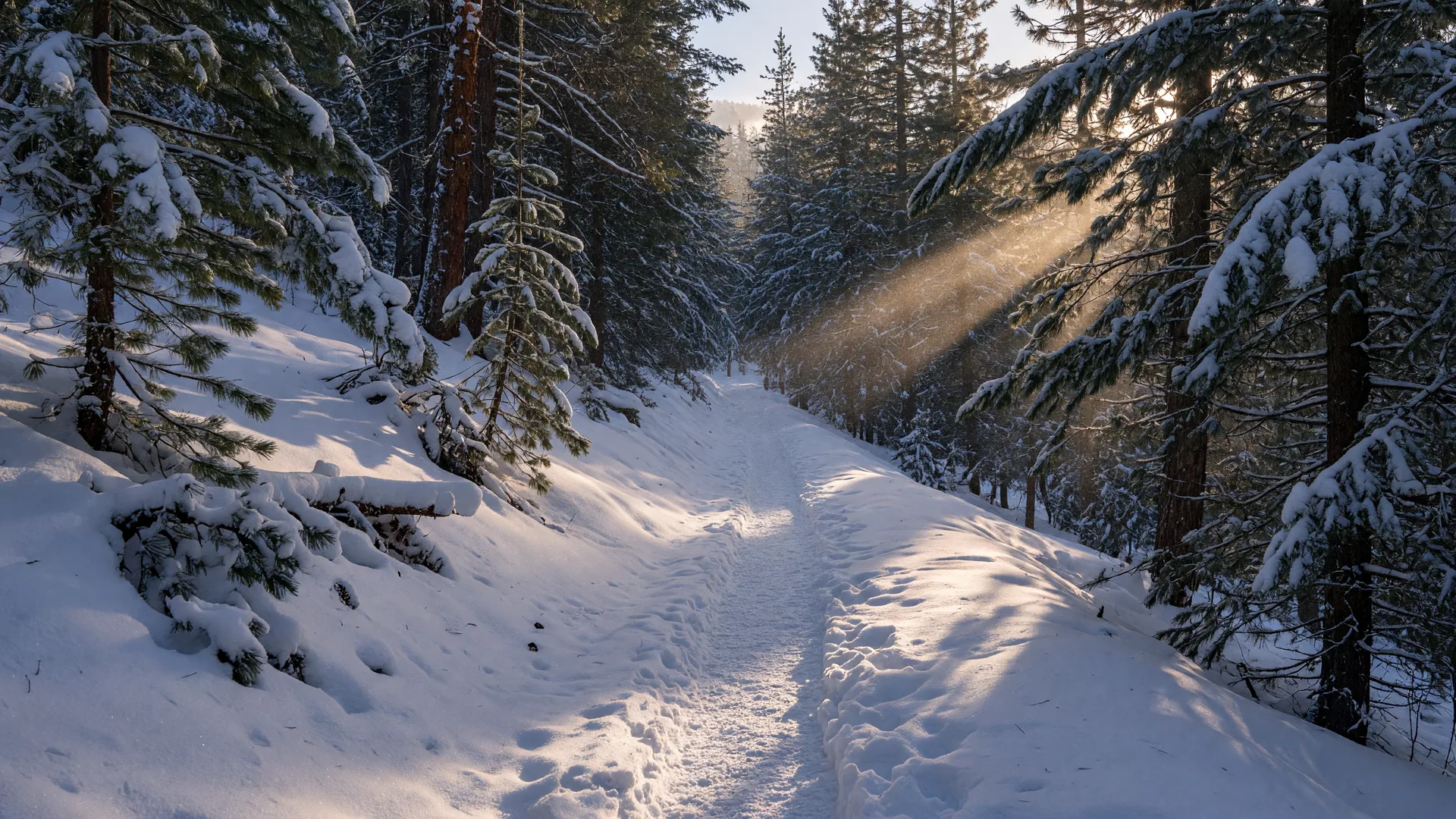
Winter Doesn't Have to End Hiking Season
There is something special about a winter landscape.
Snow softens the outlines of the forest. Familiar trails become quiet. Animal tracks appear across the ground, and the air feels crisp and clear.
For people who enjoy being outdoors, winter can offer memorable experiences.
But winter hiking requires a different approach.
Snow, ice, short daylight hours, and rapidly changing weather can transform a simple outing into a serious situation.
The goal isn't to avoid winter adventure. It's to prepare for it.
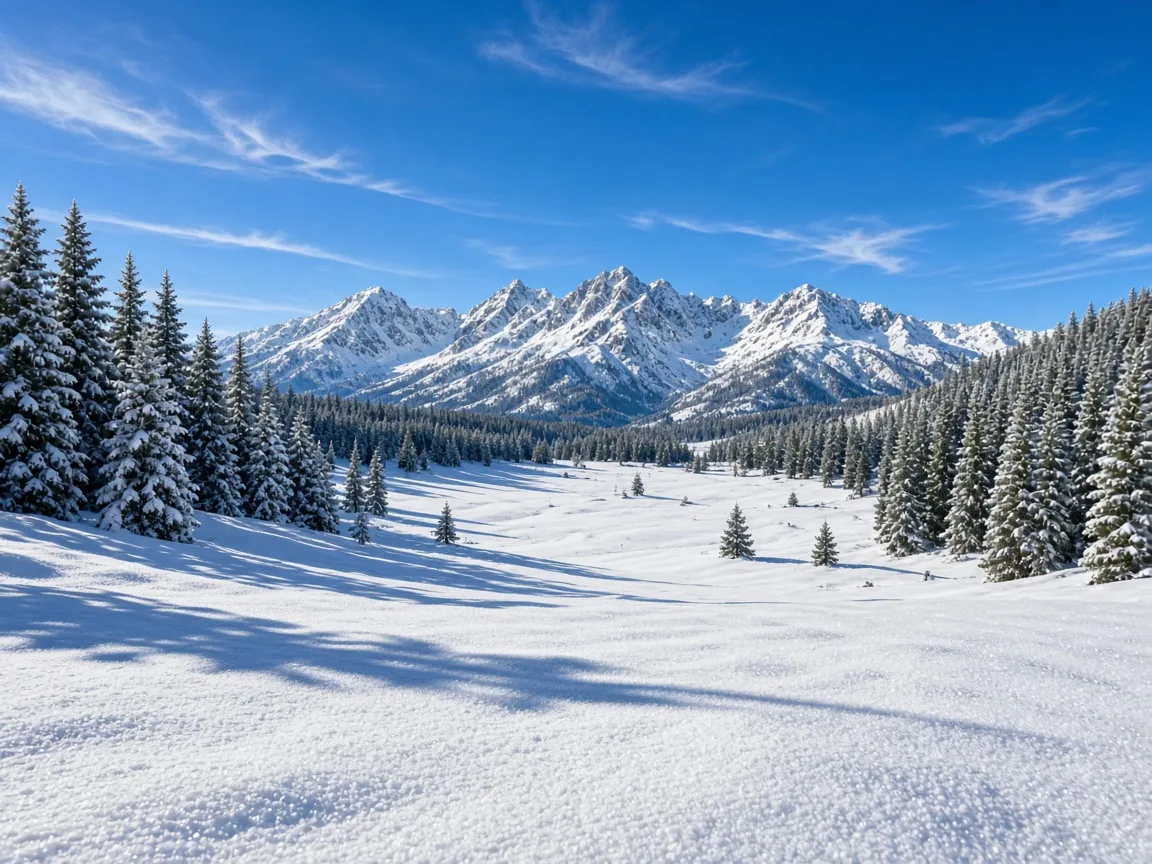
Start With an Appropriate Route
Beginners should choose short, familiar routes with manageable elevation changes and dependable access.
Avoid assuming that a summer trail will remain accessible during winter.
Some roads close seasonally.
Snow may cover signs and trail junctions.
Parking areas may not be plowed.
Before leaving, consult the relevant land manager for current access information.
Dress in Layers
Cold-weather comfort begins with moisture management.
A moisture-wicking base layer helps move perspiration away from your skin.
An insulating layer helps retain warmth.
A wind-resistant or waterproof outer layer protects against changing conditions.
Avoid relying on cotton clothing in cold, wet conditions because it can retain moisture and contribute to heat loss.
Bring gloves, warm socks, and head protection.
Carry an extra insulating layer in your pack.
Footwear and Traction
Snow and ice create slipping hazards.
Water-resistant or waterproof boots with suitable tread can improve comfort.
For some icy trails, removable traction devices may be useful.
Deep snow may require snowshoes.
The appropriate equipment depends on conditions and terrain.
Traction devices do not eliminate the danger of steep icy slopes, and snowshoes do not make avalanche terrain safe.
Understand Hypothermia
Hypothermia occurs when the body loses heat faster than it can produce it.
It can develop even when temperatures are above freezing, particularly when someone becomes wet, exhausted, or exposed to wind.
Warning signs can include intense shivering, confusion, poor coordination, and unusual fatigue.
If someone shows signs of hypothermia, move them toward shelter, replace wet clothing when possible, and seek emergency medical assistance.
Severe symptoms require urgent care.
Navigation Becomes More Difficult
Snow can conceal trails, footprints, and landmarks.
Carry an offline map and know how to use it.
Do not depend exclusively on cellular service.
A GPS device or smartphone is useful, but batteries can drain more quickly in cold conditions.
Keep essential electronics protected and carry backup power.
Be Avalanche Aware
Some mountain terrain in Southern Oregon can present avalanche hazards.
Avalanche safety requires training, terrain assessment, appropriate equipment, and current conditions information.
Do not enter avalanche terrain simply because other people have left tracks.
Beginners should choose routes that avoid avalanche exposure.
Always Have a Turnaround Time
Winter days are short.
Establish a time to turn back, even if you haven't reached your intended destination.
Tell someone where you're going and when you expect to return.
Carry water, food, a headlamp, first-aid supplies, and emergency insulation.
Frequently Asked Questions
Can beginners hike during winter near Klamath Falls?
Yes, on suitable routes with appropriate preparation and current-condition checks.
Are regular sneakers sufficient for snow?
Generally not for sustained snowy or icy conditions.
Do I need snowshoes?
That depends on snow depth, trail conditions, and the route.
Can I rely on my phone for navigation?
Carry offline navigation and backup options because coverage and battery performance can be unreliable.
Continue Exploring
See our Hiking Collection and Southern Oregon Relocation Resources.
Sources and Further Reading
- National Weather Service
- U.S. Forest Service
- Crater Lake National Park (National Park Service)
- Avalanche.org
Regulatory and access information reviewed as of October 18, 2026, with the agencies linked above. Trail access, fire restrictions, and pet rules can change. Always confirm current conditions with the managing agency before heading out.