
Your Favorite Hiking Partner Might Have Four Legs
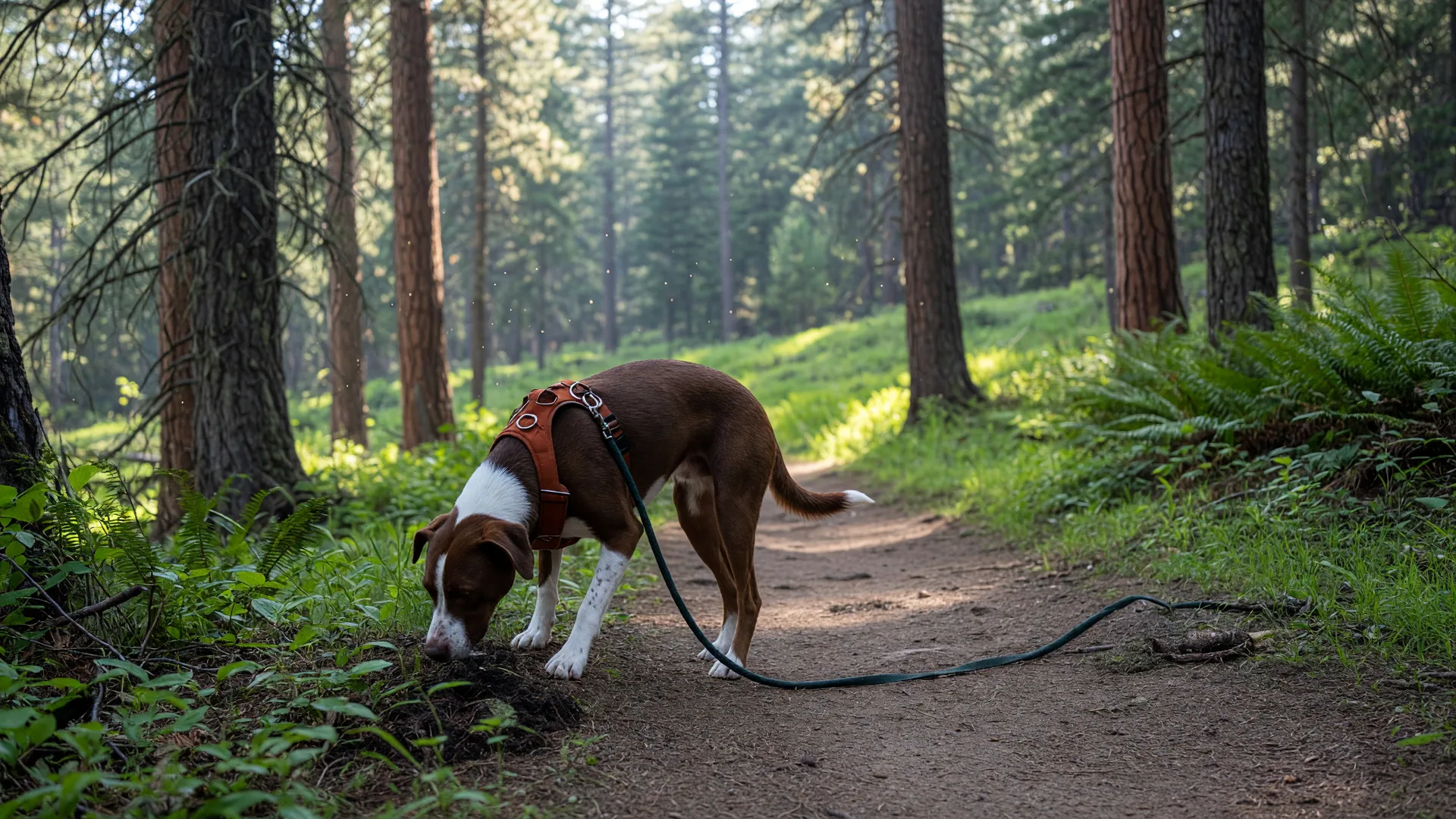
For many dog owners, a good hike becomes even better with a canine companion.
Dogs love exploring unfamiliar smells, walking through forests, and spending time outdoors.
And Southern Oregon offers a wide variety of landscapes worth exploring.
But bringing a dog adds responsibilities.
Trail access, leash requirements, wildlife encounters, heat, water, and other hikers all need to be considered.
Check Whether Dogs Are Allowed
Not every trail permits pets.
Rules can differ between city parks, national forests, national parks, wildlife refuges, and other public lands.
Crater Lake National Park restricts pets to designated areas and certain permitted trails.
Always check current National Park Service guidance before visiting.
National forest rules may differ, but local restrictions and leash requirements can still apply.
Never assume that a trail is dog-friendly simply because it's outdoors.
Keep Your Dog Under Control
A dog that behaves perfectly at home may react differently when it encounters deer, livestock, birds, or another dog.
Wildlife can trigger chasing behavior.
Even a friendly dog can disturb nesting animals or frighten other trail users.
Use a leash where required and maintain reliable control everywhere.
Keeping a dog close protects the animal, wildlife, and other visitors.
Watch for Heat
Dogs can overheat during strenuous activity, especially on exposed trails.
Bring drinking water for your dog rather than relying on streams or lakes.
Take breaks in the shade.
Watch for excessive panting, weakness, stumbling, vomiting, or other signs of distress.
Heatstroke is a veterinary emergency.
Hot pavement and rocky surfaces can also injure paw pads.
Understand Water Hazards
Natural water sources aren't always safe for dogs.
Fast-moving rivers can create drowning hazards.
Cold water can be dangerous.
Some lakes and waterways may experience harmful algal blooms.
The Oregon Health Authority publishes information about recreational water advisories.
Do not allow pets to drink from or enter water affected by suspected harmful algal blooms.
Wildlife Encounters
Southern Oregon is home to deer, coyotes, bears, and other wildlife.
Keep dogs close and avoid approaching animals.
Do not allow pets to chase wildlife.
If you encounter an animal, give it space and follow the relevant land manager's safety guidance.
Trail Etiquette
Yield appropriately to other users.
Keep your dog from approaching people or animals without permission.
Pick up pet waste and dispose of it properly.
Do not leave waste bags beside trails.
Respect private property and posted restrictions.
Prepare a Dog Hiking Kit
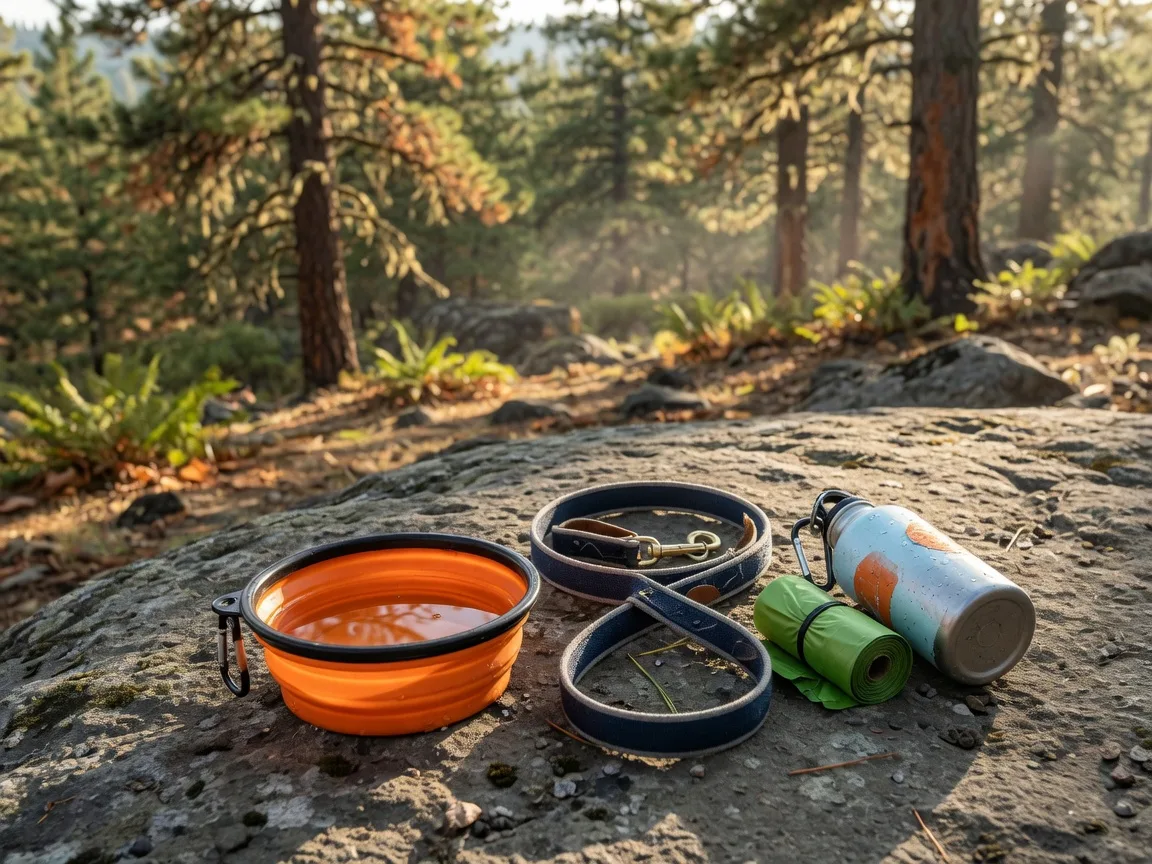
Carry a leash, water, collapsible bowl, waste bags, identification, and basic pet first-aid supplies.
For longer hikes, consider protective paw equipment if conditions require it.
Make sure your dog is physically prepared for the distance and terrain.
Young, elderly, or medically vulnerable dogs may need shorter outings.
Frequently Asked Questions
Can dogs hike at Crater Lake National Park?
Only in designated areas and on permitted routes. Check current park rules.
Should I let my dog drink from lakes?
It's safer to carry clean drinking water, particularly because natural water can contain contaminants or harmful algal blooms.
Are leashes always required?
Requirements vary by location. Check the rules for the specific trail.
Can dogs disturb wildlife even without attacking it?
Yes. Chasing, barking, or approaching wildlife can cause stress and disrupt natural behavior.
Continue Exploring
Browse Hiking Resources and Klamath County Communities.
Sources and Further Reading
- Crater Lake National Park (National Park Service)
- U.S. Forest Service
- Oregon Health Authority
- Leave No Trace
Regulatory and access information reviewed as of October 18, 2026, with the agencies linked above. Trail access, fire restrictions, and pet rules can change. Always confirm current conditions with the managing agency before heading out.