
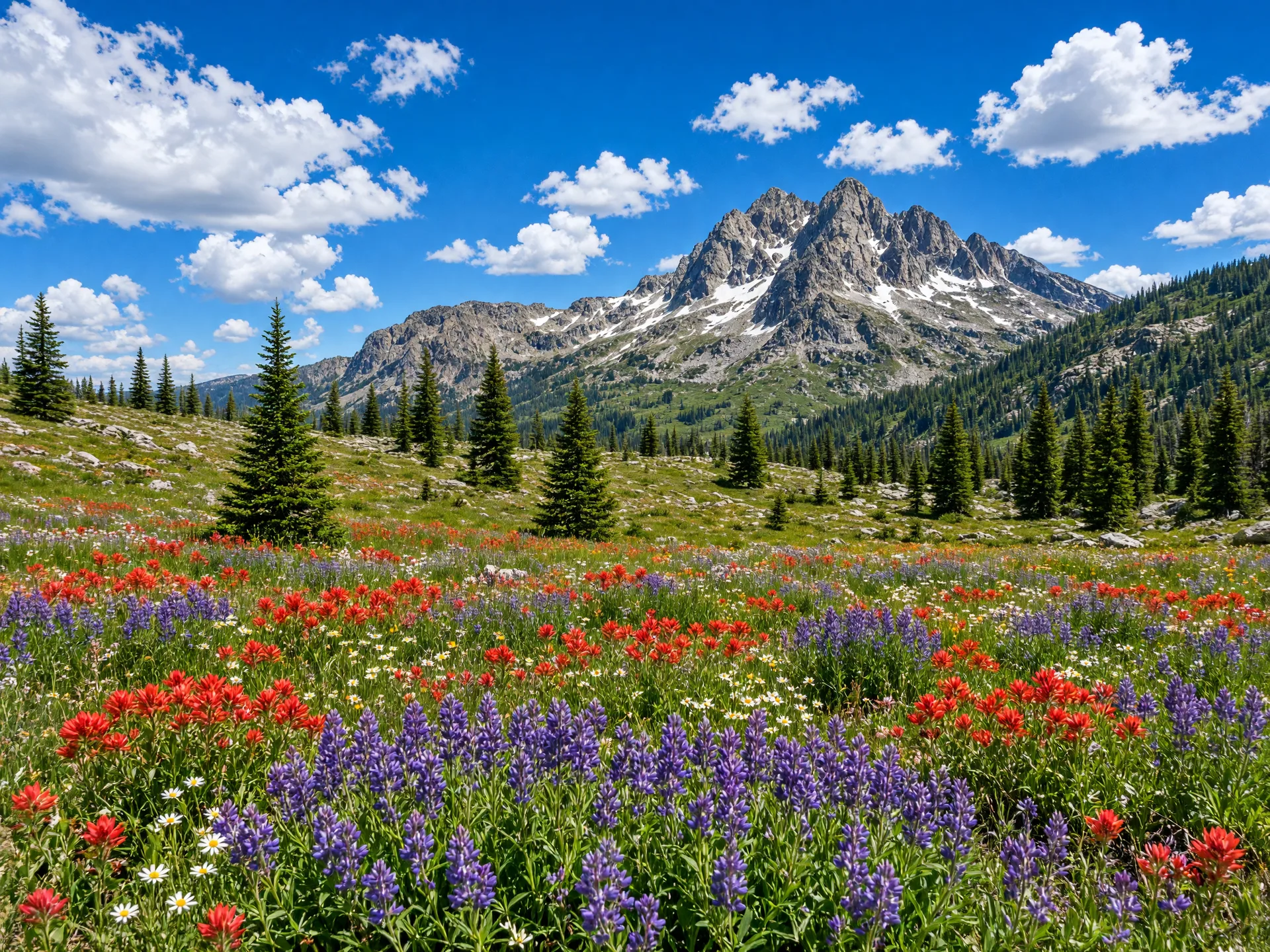
The Mountains Make Their Own Rules
A warm, sunny morning in Klamath Falls doesn't guarantee comfortable conditions in the mountains.
Higher elevations can be colder, windier, and more exposed.
Snow may remain on trails long after lower elevations have entered summer.
For hikers, understanding these differences is essential.
High-elevation adventures can be spectacular, but they require more preparation than a casual neighborhood walk.
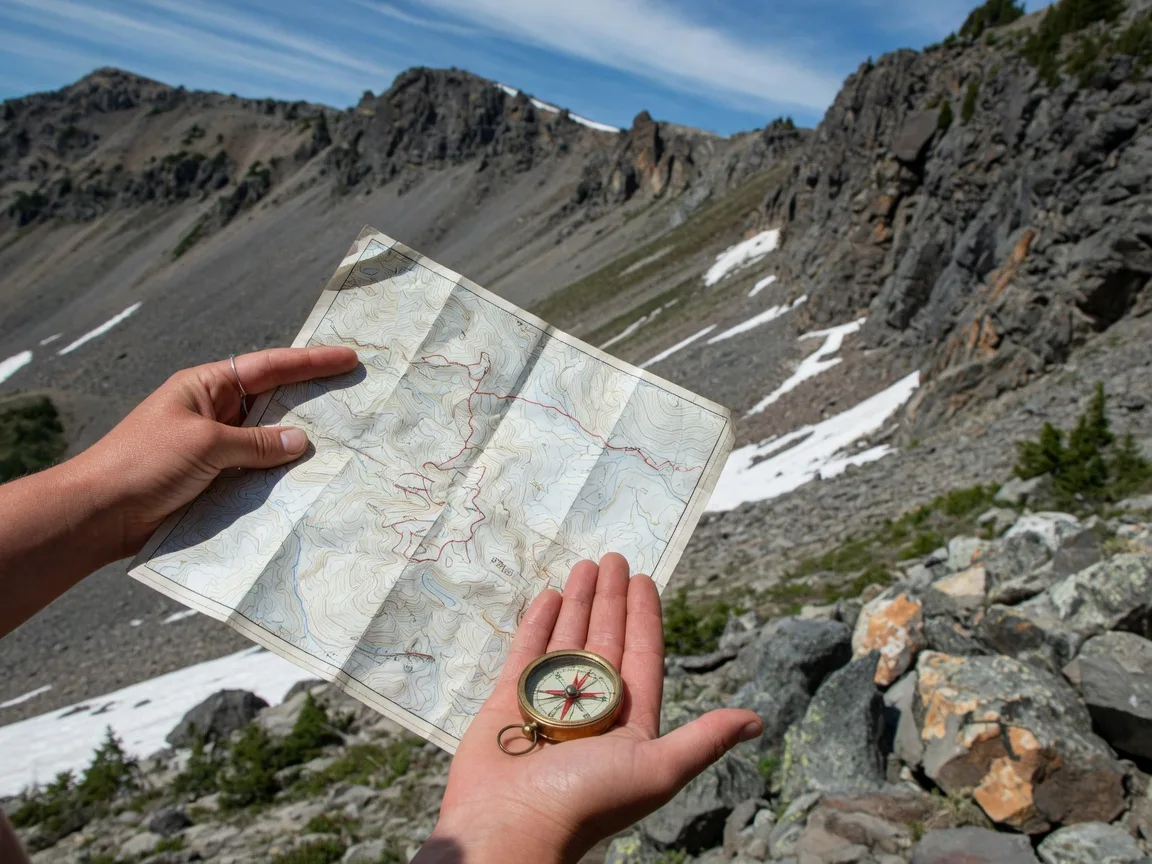
Why Elevation Changes Conditions
Air temperature generally decreases with increasing elevation, although actual weather patterns vary.
Wind can intensify exposure.
Snow and ice may remain in shaded locations.
The thinner atmosphere at higher elevations also means less oxygen is available with each breath.
Some hikers experience headaches, nausea, dizziness, or unusual fatigue after ascending.
Symptoms should never be ignored.
Altitude Illness
Acute mountain sickness can occur after ascending to higher elevations, particularly when the ascent is rapid.
Symptoms may include headache, nausea, fatigue, and difficulty sleeping.
Severe altitude illness is a medical emergency.
If symptoms worsen, stop ascending and descend when safe to do so.
Seek medical assistance for serious symptoms.
Good physical fitness does not guarantee immunity.
Weather Can Change Quickly
Mountain weather can be unpredictable.
Carry warm layers, rain protection, and emergency supplies even when the forecast looks favorable.
Thunderstorms are especially concerning in exposed terrain.
Avoid ridgelines and isolated tall objects when lightning threatens.
Plan your route around current forecasts and the time needed to return.
Snow and Route Finding
Snow can obscure trail junctions and hazardous terrain.
Crossing steep snowfields without appropriate training and equipment can be dangerous.
Turn around when conditions exceed your experience.
Reaching a summit is never more important than returning safely.
Hydration and Sun Exposure
At higher elevations, dehydration and sun exposure can become significant concerns.
Carry sufficient water and use sun protection.
Snow can reflect sunlight and increase exposure.
Take breaks and pace yourself.
Choosing an Appropriate Trail
Research the route's distance, elevation gain, terrain, and seasonal access.
Read current land-manager advisories.
A trail described as moderate in summer may be difficult when covered by snow or affected by storms.
Tell someone your itinerary.
Frequently Asked Questions
Can altitude affect hikers in Southern Oregon?
Yes, particularly at higher elevations and after rapid ascent.
Does summer guarantee snow-free trails?
No. Snow may persist in mountain areas.
Should beginners attempt exposed mountain routes?
Beginners should choose routes appropriate to their experience and conditions.
What if I begin feeling ill at altitude?
Stop ascending, assess symptoms, and descend when appropriate. Seek medical help for severe symptoms.
Continue Exploring
Read Winter Hiking and Hiking Resources.
Sources and Further Reading
- National Park Service
- National Weather Service
- U.S. Forest Service
- CDC Yellow Book: Health Information for International Travel
Regulatory and access information reviewed as of October 18, 2026, with the agencies linked above. Trail access, fire restrictions, and pet rules can change. Always confirm current conditions with the managing agency before heading out.