
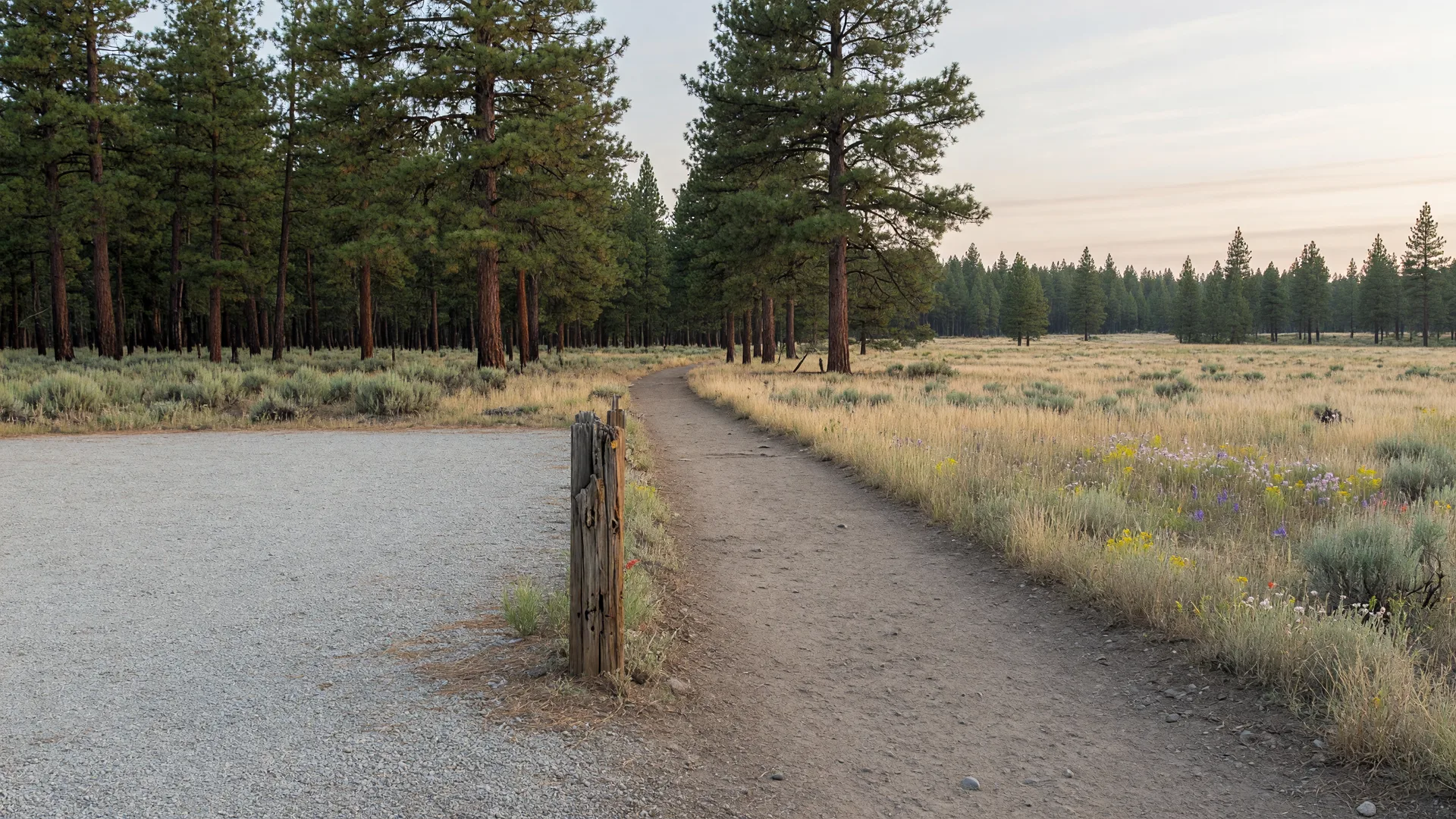
Don't Discover the Rules at the Trailhead
Imagine driving two hours to a beautiful trail only to discover that you need a permit you didn't obtain.
Or arriving with your dog and learning that pets aren't allowed.
Or planning an overnight camp when the area is closed because of wildfire conditions.
These situations are frustrating, and many are preventable.
Southern Oregon contains public lands managed by different agencies, each with its own rules.
Understanding those differences helps hikers plan better adventures.
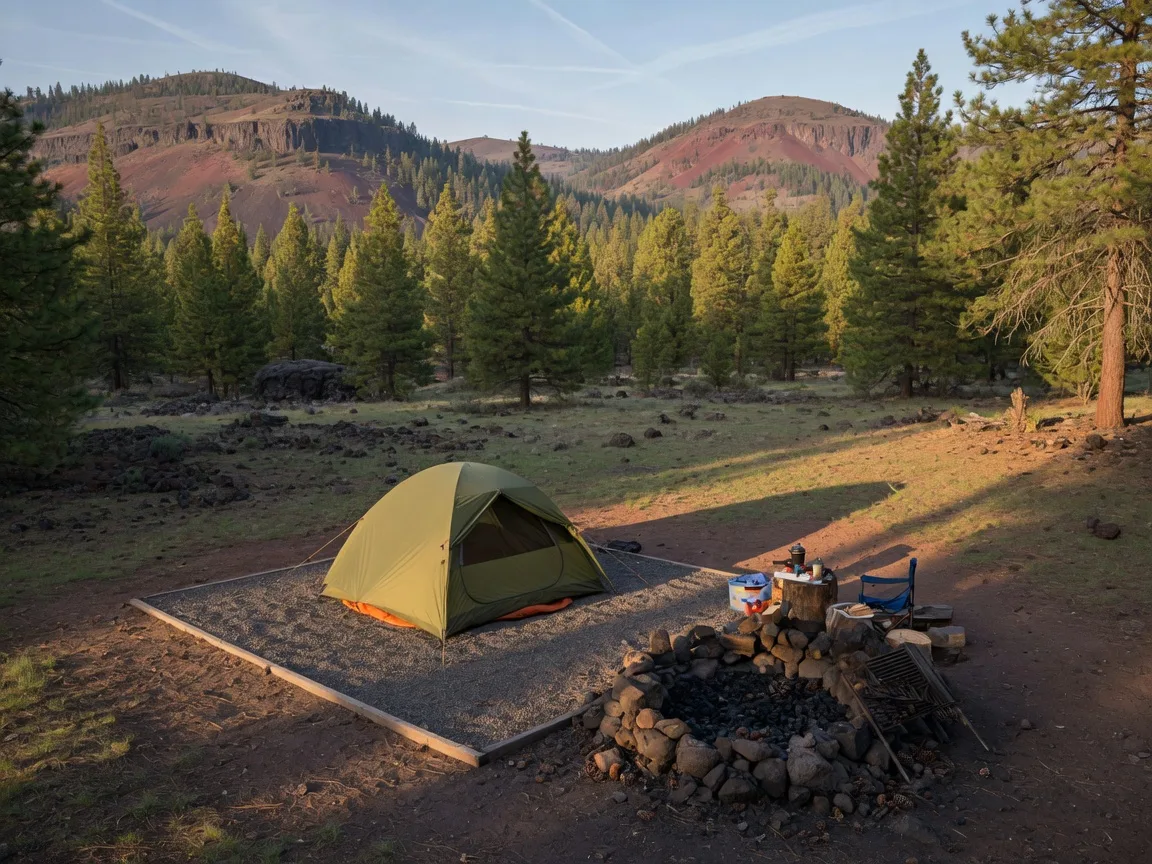
Not All Public Lands Operate the Same Way
National parks, national forests, wildlife refuges, state parks, and Bureau of Land Management lands have different management purposes.
Some emphasize recreation.
Others prioritize wildlife habitat, resource protection, or preservation of particular natural features.
The rules reflect those purposes.
Never assume that a regulation applying to one trail also applies to another.
National Park Requirements
Crater Lake National Park has its own entrance, camping, pet, and trail regulations.
Access can also be affected by snow and seasonal road closures.
Before visiting, consult the official National Park Service website.
National Forest Trails
Many Southern Oregon trails are located on national forest land.
Some may be accessible without an individual hiking permit, while specific areas or activities can require permits or passes.
Parking and developed recreation sites may have separate fees.
Overnight camping rules can differ from day-use rules.
Consult the relevant Forest Service office.
Bureau of Land Management Areas
BLM-managed land may offer hiking and dispersed recreation opportunities.
However, access restrictions, developed-site fees, camping limits, and seasonal closures can apply.
Check the specific BLM field office's information before traveling.
Campfire Restrictions
Fire regulations can change rapidly during wildfire season.
A location that allowed campfires earlier in the year may prohibit them later.
Restrictions may also apply to stoves, smoking, vehicles, and other ignition sources.
Always check current fire restrictions before leaving.
Never assume that an existing fire ring means a fire is permitted.
Dogs and Wildlife Protection
Pet restrictions vary.
Some trails allow dogs on leash.
Others prohibit pets to protect wildlife or sensitive habitats.
Wildlife refuges may have especially specific rules.
Check before bringing a dog.
Private Property and Easements
A trail shown on an online map may cross land with restricted access.
A road appearing public may actually be privately maintained.
Respect posted signs and legal property boundaries.
Do not assume that nearby public land guarantees a legal route across private property.
This distinction also matters to people buying rural acreage near recreational areas.
How to Verify Requirements
Start with the agency managing the destination.
Check its official website for permits, fees, seasonal closures, pet rules, camping regulations, and fire restrictions.
Use Recreation.gov when an official land manager directs visitors there for reservations or permits.
Save copies of required permits and follow instructions about displaying or carrying them.
Frequently Asked Questions
Do all Southern Oregon hikes require permits?
No. Requirements vary by location and activity.
Are parking passes the same as hiking permits?
Not necessarily. Parking, entrance, and activity permits can be separate.
Can I camp anywhere on public land?
No. Rules vary, and some areas prohibit camping.
Where should I check fire restrictions?
Use the relevant land manager's current official notices.
Continue Exploring
Read Backpacking in Southern Oregon, Winter Hiking, and Camping Resources.
Sources and Further Reading
- Crater Lake National Park (National Park Service)
- U.S. Forest Service
- Bureau of Land Management Oregon/Washington
- Recreation.gov
Regulatory and access information reviewed as of October 18, 2026, with the agencies linked above. Trail access, fire restrictions, and pet rules can change. Always confirm current conditions with the managing agency before heading out.