
Rules change. Check current conditions before you go.
Fishing seasons, limits, permitted gear, closures, water levels, access, and boat-ramp availability can change. Always verify the current Oregon Department of Fish and Wildlife regulations and the conditions at the exact water you plan to fish.
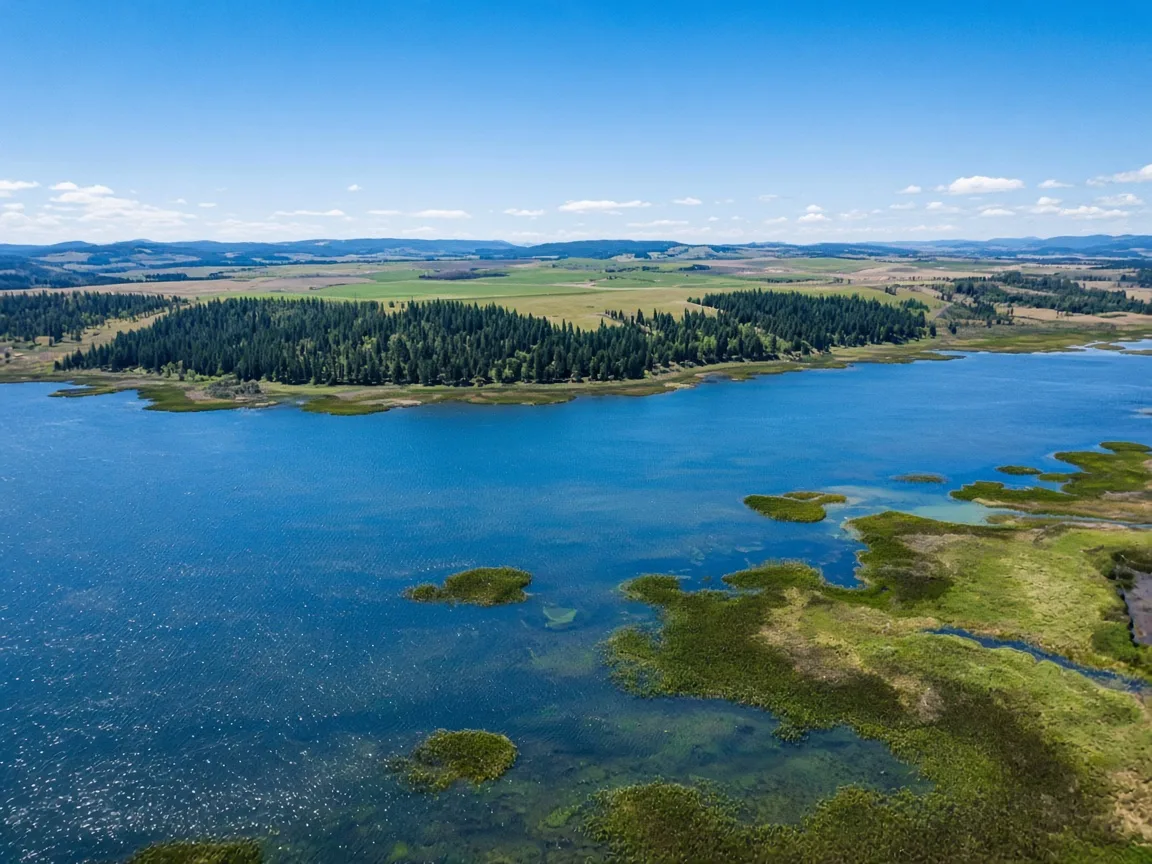
Upper Klamath Lake has a way of making a person feel small in the best possible sense. Its wide horizons, surrounding wetlands, and distant mountains create a landscape that feels expansive and distinctly Southern Oregon.
For anglers, however, the lake is much more than scenery. It is an important native redband trout fishery, and understanding its ecology is essential to fishing responsibly.
Why Redband Trout Matter
Redband trout are a native inland form of rainbow trout. In the Klamath Basin, these fish are closely connected to the lake and its tributary systems.
Their conservation is a significant management priority. Anglers should not assume that the ability to catch a trout also means it may legally be retained.
During 2026, ODFW implemented temporary catch-and-release requirements for rainbow trout and artificial-only gear restrictions affecting Upper Klamath Lake and specified connected waters from June 15 through October 31.
Because temporary rules can supersede the printed regulation booklet, checking current updates is essential.
Understanding the Lake's Conditions
Upper Klamath Lake is a large, relatively shallow waterbody with conditions that can change substantially over the course of a day.
Wind can produce uncomfortable and potentially dangerous boating conditions. Visibility, aquatic vegetation, water temperature, and seasonal water-quality changes can also influence fishing.
Before launching a boat, review the forecast and make a conservative decision about whether conditions are suitable for your vessel and experience.
Approaching the Fishery
Anglers often study seasonal fish movements and cooler-water opportunities rather than fishing randomly across open water.
Researching legal access and fish behavior is more useful than simply purchasing expensive tackle. Appropriate artificial flies and lures may be part of an angler's equipment, but permitted methods must be confirmed for the date and location.
If you intend to release fish, prepare your equipment accordingly. Carry suitable forceps, use techniques that minimize handling, and avoid dragging fish onto dry surfaces.
Protecting Yourself on the Water
A properly fitted life jacket should be worn while boating. Carry communication equipment, monitor weather changes, and avoid venturing farther from shore than conditions safely allow.
Cold water can be dangerous even when the air feels pleasant. Swimming ability does not eliminate the risks associated with an unexpected fall overboard.
A Lake Worth Understanding
Upper Klamath Lake rewards people who take the time to learn about it. Its value lies not only in fishing opportunities but also in its wildlife, wetlands, ecological complexity, and cultural importance.
For residents, living near this landscape can be an extraordinary part of life.
Explore Klamath Falls communities and properties in the Klamath Basin to learn more about living near this remarkable lake.
Frequently Asked Questions
Can I keep trout caught in Upper Klamath Lake?
Retention depends on current regulations. Check ODFW before fishing.
Is Upper Klamath Lake suitable for small boats?
Conditions can become hazardous, particularly in wind. Vessel suitability and weather must be evaluated carefully.
Are artificial lures required?
Restrictions vary by date and current emergency rules. Consult ODFW.
Safety on the water
Wear a properly fitted personal flotation device whenever boating and around water where a fall could be dangerous. Check the weather, and never push a small craft into conditions it was not built for. Cold water can be dangerous even when the air feels pleasant. Assess shoreline access and current conditions before wading or stepping onto ice; a frozen appearance never proves that ice is safe.