
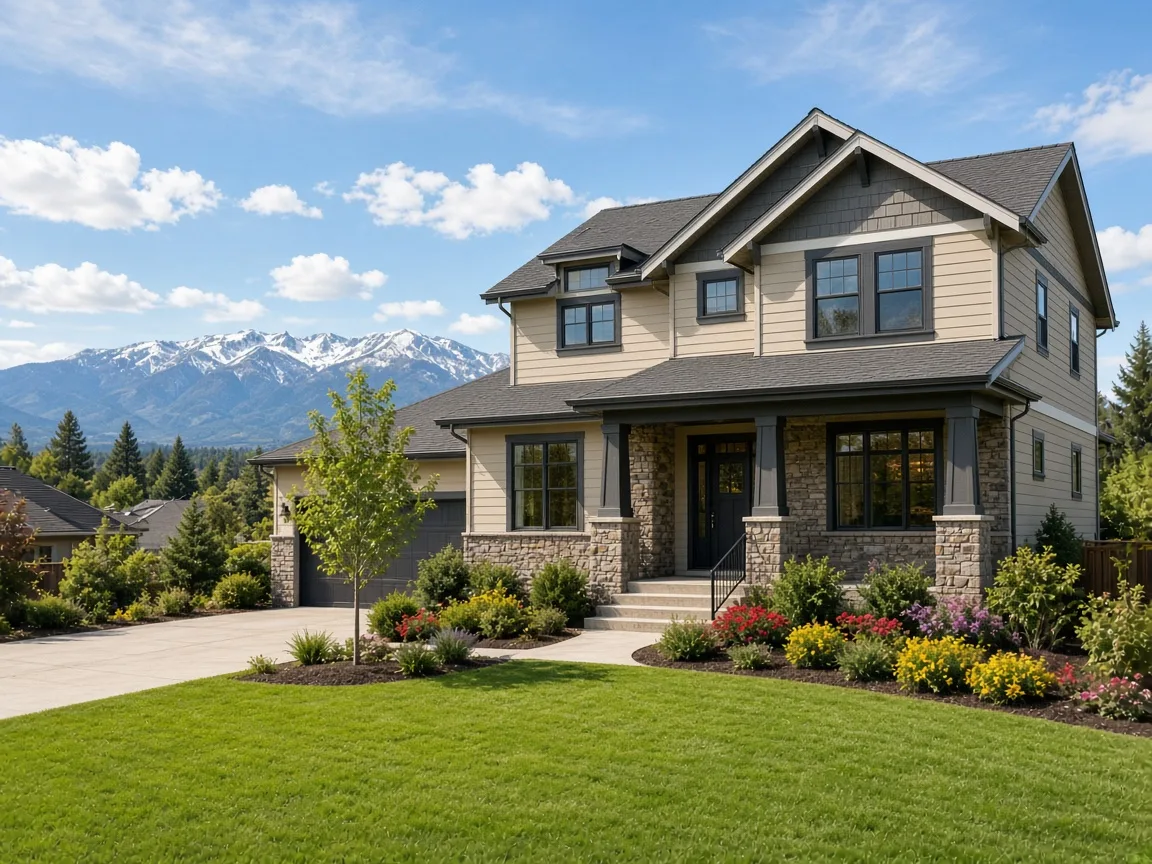
Winter Is Part of the Southern Oregon Lifestyle
Klamath Falls offers four-season living, with winter bringing colder temperatures, changing landscapes, and opportunities for seasonal recreation.
For buyers relocating from milder climates, winter deserves careful consideration.
The important question is not simply whether it snows.
It is how a particular home, road, roof, heating system, and daily routine will function during cold weather.
Conditions can vary significantly between the city, open valleys, higher elevations, and remote mountain properties.
Understanding Local Differences
A home in Klamath Falls may experience different winter conditions from a cabin at higher elevation or a rural residence along a private road.
Elevation, exposure, wind, terrain, and road maintenance can influence the experience.
Do not rely on a single citywide snowfall average to evaluate every property in the county.
If winter accessibility matters, investigate the specific location.
Roof Snow Loads and Ice
Roofs must be appropriate for local design conditions.
When evaluating an existing home, inspect the roof's age, condition, drainage, and signs of structural movement or past leaks.
Older structures, additions, and outbuildings may deserve particular attention.
Snow accumulation and ice can create problems where roofs or drainage systems are poorly maintained.
Never climb onto an icy roof without appropriate professional training and equipment.
For concerns about structural capacity, consult a qualified engineer or roofing professional.
Heating Systems
A reliable heating system is essential.
Ask about the home's primary heat source, equipment age, maintenance records, and operating costs.
Electric systems, heat pumps, propane furnaces, wood stoves, and other systems have different maintenance and fuel considerations.
Wood-burning appliances should be properly installed, inspected, and maintained.
Carbon monoxide alarms and smoke alarms are important safety features where applicable.
Plumbing and Frozen Pipes
Exposed or inadequately protected plumbing can freeze during cold weather.
Buyers should inspect crawlspaces, exterior plumbing, outbuildings, and seasonal water systems.
Ask whether the property has experienced frozen pipes or water damage.
Cabins that are unoccupied during winter may require special winterization procedures.
Snow Removal and Driveway Access
Determine who clears the road and driveway.
Public road maintenance and private driveway maintenance are different responsibilities.
A long rural driveway may require a snow-removal contractor, suitable equipment, or a dependable arrangement with neighbors.
Investigate grades, drainage, shaded areas, and safe parking locations.
Wells, Septic, and Power Outages
Rural homes may depend on electricity for well pumps, pressure systems, heating controls, and communications.
Consider what happens during an outage.
Backup generators must be installed or connected appropriately and operated safely to avoid carbon monoxide poisoning and electrical hazards.
Septic systems may also have electrical components, particularly where pumps or advanced treatment equipment are involved.
Everyday Winter Costs
Heating fuel, snow removal, vehicle maintenance, weather-related repairs, and increased travel time may affect the household budget.
These expenses vary considerably by property.
Request utility history where available, but remember that previous owners' consumption may differ from yours.
Preparing a Home Before Winter
Inspect roofing and gutters, service heating equipment, protect vulnerable plumbing, clear drainage routes, and organize snow-removal arrangements.
Keep emergency supplies appropriate for the household.
For rural properties, consider backup communication methods and emergency access.
Interactive checklist
Winter Home Maintenance Checklist
Work through each item with the property itself and the professionals who will maintain it. Winter conditions vary by location, elevation, and road access.
If any item is still unresolved, work through it with the seller, the responsible authorities, and the professionals who will help you close before you buy.
Frequently Asked Questions
Does Klamath Falls get snow every winter?
Snow is a normal part of the regional winter climate, but accumulation and conditions vary by year and location.
Are rural roads always plowed?
No. Maintenance responsibilities vary, particularly on private roads.
Should I inspect a cabin's roof differently?
Mountain and seasonal properties may require additional attention to roof loading, snow shedding, drainage, and past weather damage.
Can I rely on a wood stove as my only heat source?
That depends on the system, property, applicable requirements, and your ability to operate it safely. Evaluate backup arrangements.
Find a Home That Fits Every Season
Lincoln Home can help buyers compare properties based on location, access, heating, and year-round practicality.
Search homes throughout Klamath Falls and Klamath County.
Planning a relocation? Explore Lincoln Home's relocation resources to understand what daily life can look like across the seasons.
The Lincoln Home property search portal covers active Klamath Basin MLS listings across the whole region. Use the broad search to compare homes and neighborhoods, then investigate the location, access, heating, and winter-condition details that matter most to you.
Continue Exploring
Winter in Klamath County connects to rural road access, rural lifestyle trade-offs, cabins, and wildfire preparedness. Continue with the guides below.
- Snow, Winter Access, Private Roads, and Easements in Rural Klamath County Private roads, snow removal, and emergency access.
- Privacy vs. Convenience: Choosing the Right Rural Lifestyle Near Klamath Falls The trade-offs of country living in every season.
- Mountain Cabins and Recreational Properties in Southern Oregon: What Buyers Need to Know Winter access and seasonal cabin systems.
- Wildfire Risk and Homeownership in Southern Oregon: Preparing, Protecting, and Buying Wisely Preparedness that matters year-round for rural owners.
Official Resources and Further Reading
These official resources are the starting point for verifying rules for a specific property. Lincoln Home presents general educational content, not property-specific legal approval. Confirm current requirements with the responsible agency before relying on any development claim.