
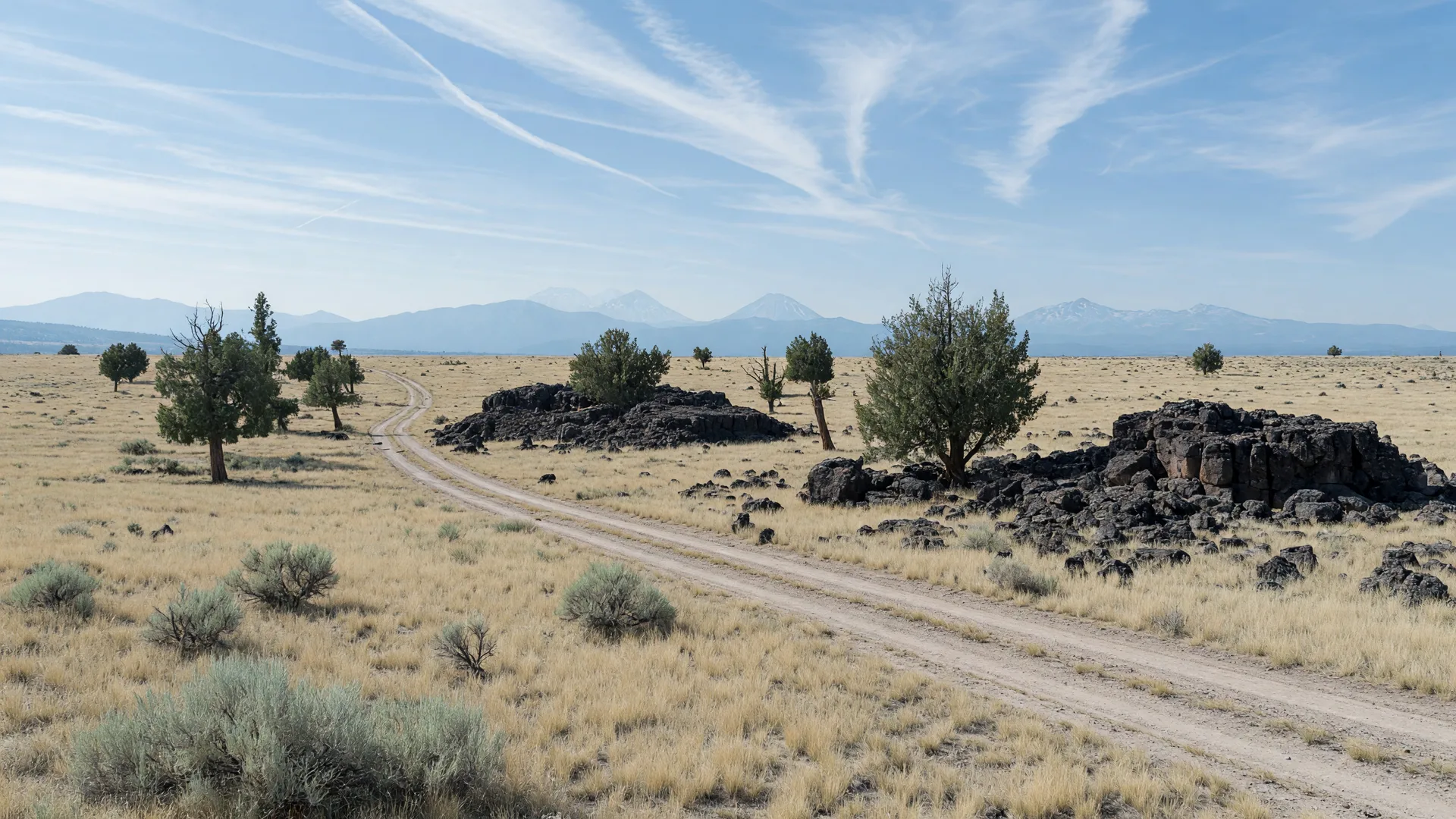
That Affordable Parcel May Need Significant Infrastructure
Vacant land can look like an extraordinary opportunity.
The price may be attractive, the scenery spectacular, and the possibilities seemingly endless.
But land without utilities can require substantial investment before a home can be occupied.
Electricity
Start by identifying the electric utility serving the property.
Ask whether power lines are nearby, whether service capacity is available, and what it would cost to extend service.
A utility pole visible from the property does not guarantee an affordable connection.
Long extensions, easements, transformers, and other infrastructure may affect cost.
Water
Determine whether a public water connection is possible or whether a private well would be needed.
Well installation costs and performance depend on local geology, drilling depth, construction requirements, and available groundwater.
Never assume that a neighboring property's well establishes what will happen on the parcel you are considering.
Wastewater
A conventional septic system may not be appropriate for every site.
Soil conditions, groundwater, slope, setbacks, and available replacement areas influence what can be approved.
Oregon DEQ explains that undeveloped property may need a site evaluation before septic suitability can be established.
Roads and Driveways
Access improvements may require grading, culverts, drainage facilities, permits, and ongoing maintenance.
A steep or seasonal driveway can create additional costs.
Development Feasibility
Before purchasing, investigate whether the intended residence is allowed under the property's zoning and land-use rules.
A parcel can be legally owned and marketed for sale without automatically qualifying for a new dwelling.
Interactive Utility-Readiness Checklist
Work through each system before committing to a vacant parcel.
0 of 5 items checked
Frequently Asked Questions
Can I live on vacant land while building?
Temporary occupancy, RV use, and construction-related living arrangements are subject to applicable rules and approvals. Verify before making plans.
Is off-grid living automatically permitted?
No. Off-grid power does not eliminate building, sanitation, land-use, or other legal requirements.
Turn Your Land Search Into a Real Plan
Lincoln Home can help buyers compare vacant parcels and identify questions for utilities and permitting authorities.
The Lincoln Home property search portal covers active Klamath Basin MLS listings across the whole region, but it does not offer a dedicated vacant-land filter. Use the broad search to browse current inventory, then ask Lincoln Home for assistance isolating land, lots, and building sites.
More From the Rural Living & Acreage Series
Infrastructure questions connect to wells, septic systems, power, and building on vacant land. Continue with the guides below.
- Buying a Home With a Well in Klamath County Investigating water supply for a rural property.
- Buying a Home With a Septic System in Southern Oregon How wastewater treatment works on rural land.
- Power, Propane, Solar, and Backup Generators for Rural Klamath County Homes Comparing the energy options for a rural home.
- Building a Home on Vacant Land in Klamath County: From Property Search to Move-In The full path from land purchase to move-in.
Official Resources and Further Reading
These official resources are the starting point for verifying rules for a specific property. Lincoln Home presents general educational content, not property-specific legal approval. Confirm current requirements with the responsible agency before relying on any development claim.