
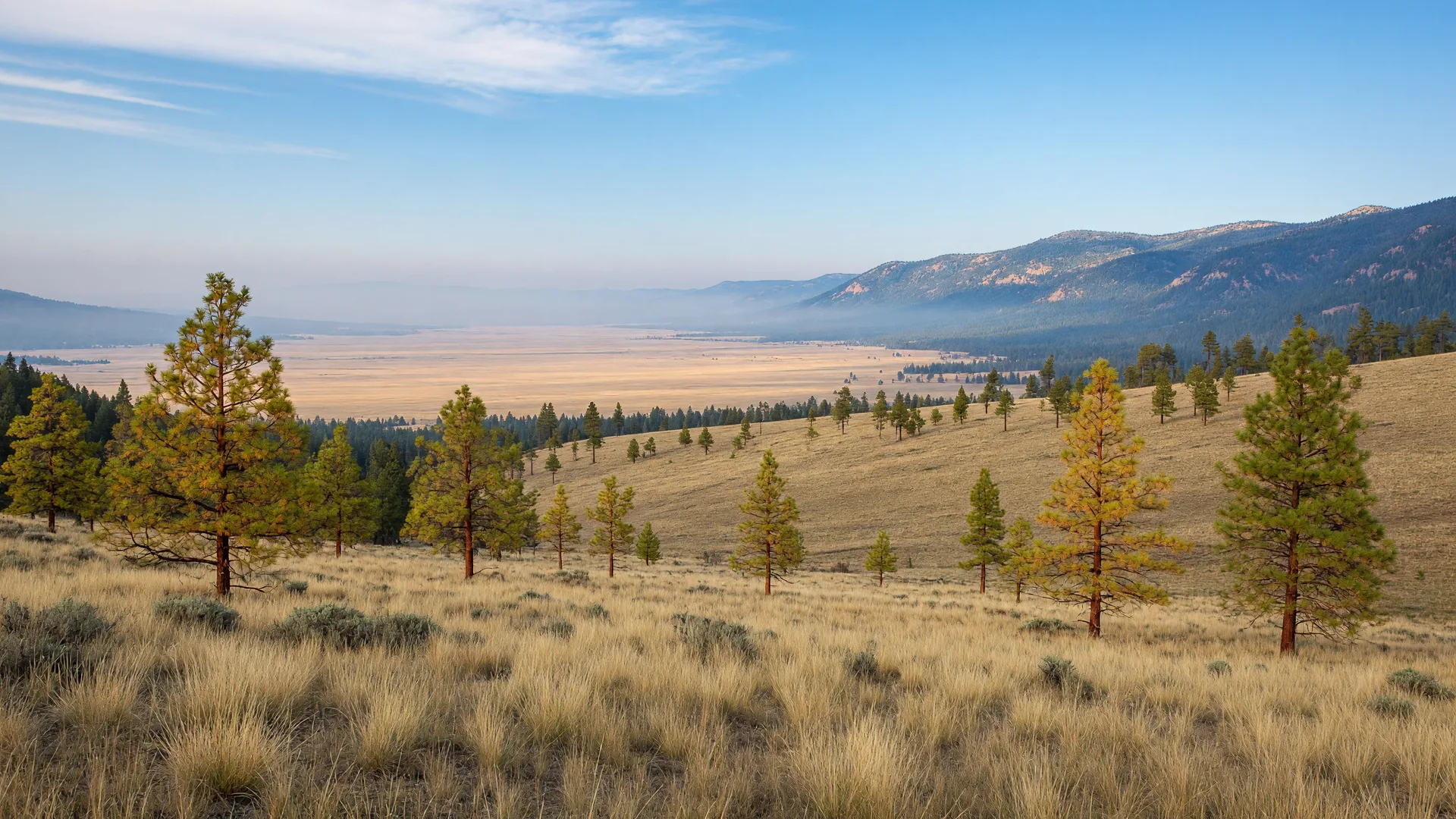
The Dream of Building Your Own Home
Imagine choosing the exact spot where your future home will sit.
Perhaps you want mountain views, a large kitchen overlooking open pasture, an oversized garage, or a house positioned to enjoy the Southern Oregon landscape.
Building on vacant land offers an opportunity to create something personal.
But successful construction begins with careful research.
The biggest mistake buyers can make is assuming that every vacant parcel advertised for sale is ready for a home.
Step One: Confirm That You Can Build
Before purchasing, investigate whether the parcel qualifies for the intended residential use.
Klamath County's land-use requirements can vary based on zoning, parcel history, and site conditions.
A listing description such as "great building site" should not replace official verification.
Ask whether the parcel has an existing dwelling approval, whether new approval is required, and what conditions may apply.
Step Two: Evaluate the Land
Not every attractive building site is practical.
Slope can influence excavation, foundation design, driveway construction, and drainage.
Soil conditions can affect foundation engineering and wastewater disposal.
Trees may provide privacy but also require careful placement of structures and wildfire mitigation.
Low-lying areas may experience seasonal water accumulation.
Before committing, consider whether professional site evaluation is appropriate.
Step Three: Determine Your Water Source
If public water is unavailable, a private well may be necessary.
Well costs vary depending on drilling depth, geology, equipment, and other site conditions.
A nearby well does not guarantee identical results on your parcel.
Research available well logs, consult drilling professionals, and investigate any applicable water-use restrictions.
Step Four: Determine Septic Feasibility
A parcel without sewer service will generally require an approved wastewater solution.
The process may begin with a site evaluation to determine whether the soils and other conditions can support an appropriate system.
Depending on the site, an alternative treatment system may be necessary.
The cost and complexity of wastewater installation can materially affect the development budget.
A buyer should not assume that a conventional septic system will be approved simply because the parcel is large.
Step Five: Investigate Electrical Service
Contact the utility serving the location.
Ask about service availability, line-extension requirements, transformers, easements, and estimated connection costs.
Power lines visible nearby do not guarantee that electrical service will be inexpensive or straightforward.
If you are considering solar or off-grid power, evaluate the full system design and applicable code requirements.
Step Six: Design the Driveway and Access
A driveway may require grading, drainage improvements, culverts, or other construction.
Road access should be evaluated for emergency vehicles, delivery trucks, and construction equipment.
Where access crosses another property, confirm the legal easement and any restrictions before purchasing.
Step Seven: Build a Realistic Budget
A complete construction budget should account for more than the builder's base home price.
Consider design work, surveys, engineering, permits, site preparation, foundations, utility extensions, well and septic installation, driveway construction, insurance, financing costs, and contingency reserves.
Costs vary too widely by site to provide a reliable universal price per acre or per home.
Obtain written estimates from qualified local professionals.
Step Eight: Understand Construction Financing
Construction loans differ from ordinary purchase mortgages.
Depending on the lender and loan program, funds may be released in stages as construction progresses.
Lenders may require approved plans, a qualified builder, a budget, an appraisal, and documentation of the property's development feasibility.
Some loan products convert into permanent financing after construction, while others require separate arrangements.
Step Nine: Plan for Southern Oregon Weather
Construction schedules can be affected by snow, freezing temperatures, rain, road conditions, and seasonal contractor availability.
Plan for weather-related delays and coordinate site work with local conditions.
Step Ten: Prepare for Final Occupancy
Before moving in, confirm that required inspections and approvals have been completed.
Ensure water, wastewater, electrical, and other essential systems are operational.
Keep copies of permits, warranties, equipment documentation, and maintenance instructions.
Interactive checklist
Development Readiness Checklist
Work through each item before you purchase vacant land. Every answer should come from the parcel's records and the responsible agencies, not from a listing description.
0/7 Items reviewed
A checked item means you have asked the question, not that the answer guarantees approval. Keep written confirmation from the county, the utility, and qualified local professionals for each item.
Frequently Asked Questions
Is buying vacant land cheaper than buying an existing home?
Not necessarily. Development costs can exceed initial expectations, especially when infrastructure is unavailable.
Can I buy land before choosing a builder?
Yes, but early consultation with qualified construction and development professionals can help identify feasibility concerns.
Can I build a manufactured home instead?
Potentially, subject to zoning, installation requirements, permits, and other applicable conditions.
Can I build on forested property?
Possibly, but forestland zoning, site conditions, and additional regulatory requirements must be evaluated.
Find the Land for Your Future Home
Lincoln Home can help buyers explore vacant parcels throughout Klamath County and begin asking the right questions.
Search note: the Lincoln Home property search portal covers active Klamath Basin MLS listings across the whole region. It does not offer separate filters for outbuildings, manufactured-home classification, or per-community rural searches. Use the broad search to browse current inventory, then ask Lincoln Home for a saved search targeted to your area and criteria.
More From the Rural Living & Acreage Series
The Rural Living & Acreage series walks through zoning, outbuildings, manufactured homes, access, and lifestyle. Start with the guides below.
- Rural Zoning and Land Use in Klamath County: What Buyers Need to Know What a parcel's zoning actually allows before you plan construction.
- Manufactured Homes on Acreage in Oregon Ownership documentation and recording for manufactured homes.
- Buying Property With a Barn, Shop, or Outbuildings in Klamath County What to inspect and verify when improvements include more than the house.
- Rural Property & Acreage Guides The full collection of rural property guides from Lincoln Home.
Official Resources and Further Reading
These official resources are the starting point for verifying rules for a specific property. Lincoln Home presents general educational content, not property-specific legal approval. Confirm current requirements with the responsible agency before relying on any development claim.