
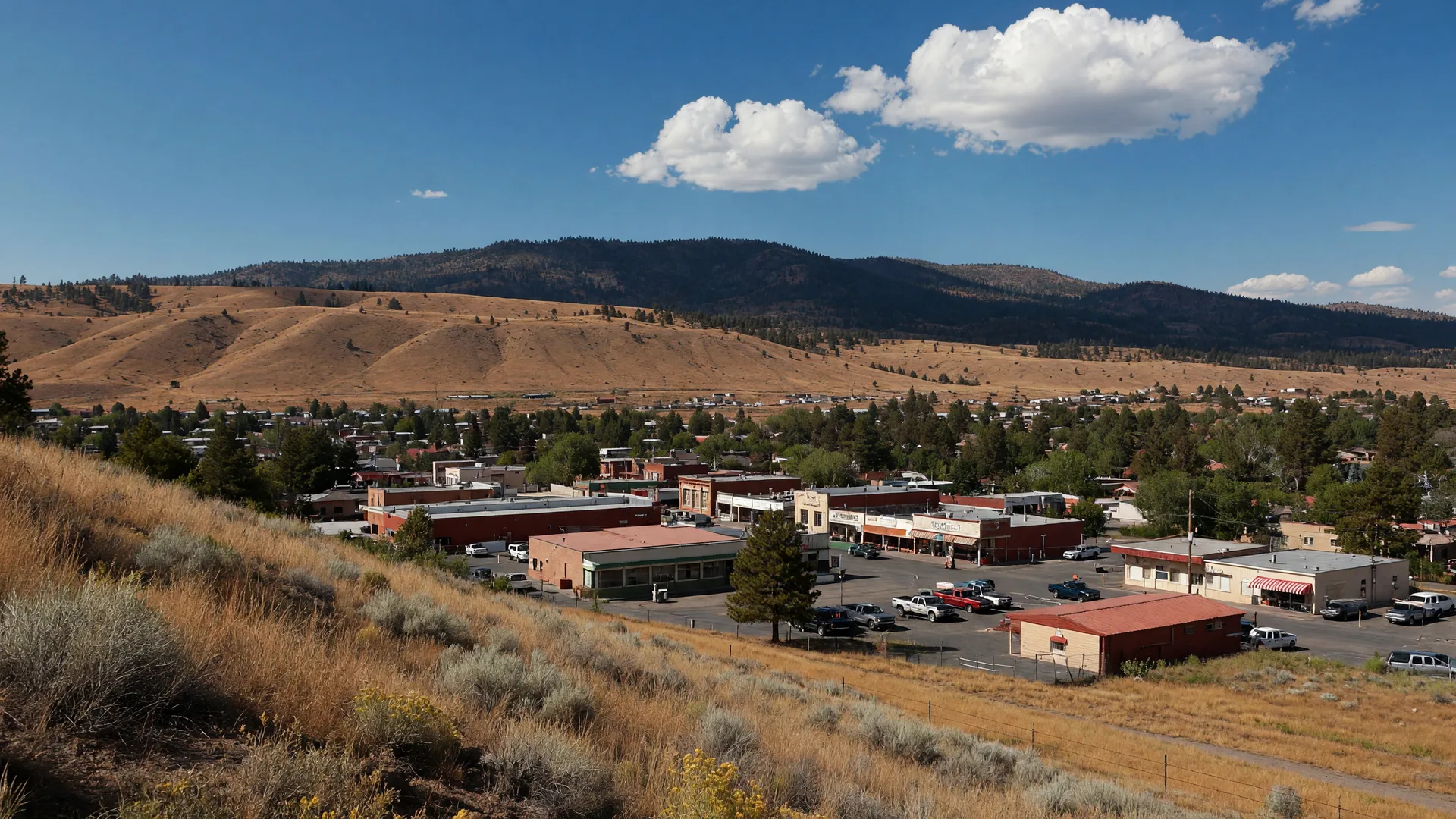
Oregon's City of Sunshine? Yes, Really.
Mention Oregon to someone who has never lived here, and there is a good chance they'll imagine rain.
Gray skies. Wet streets. Dense forests. Months of clouds.
That picture may fit parts of western Oregon, but it doesn't tell the whole story.
Klamath Falls has long been promoted as the "City of Sunshine," a nickname that reflects its relatively sunny, dry climate.
And for people considering moving to Southern Oregon, the reason behind that nickname is worth understanding.
Klamath Falls isn't simply a sunnier version of Portland.
Its geography creates a fundamentally different climate.
The Secret Is in the Mountains
The primary reason Klamath Falls receives relatively little precipitation is its location east of the Cascade Mountains.
Moist air moving inland from the Pacific Ocean encounters the Cascades.
As that air rises, it cools.
Moisture condenses and falls as rain or snow, especially on the western slopes.
By the time much of the air reaches the eastern side, it has lost moisture.
This is called the rain-shadow effect.
Klamath Falls sits within that rain shadow.
The result is a climate that is generally drier than much of western Oregon.
How Sunny Is Klamath Falls?
Klamath Falls is frequently described in regional promotional materials as enjoying approximately 300 days of sunshine annually.
That figure has become closely associated with the city's identity.
However, the exact number depends on how a "sunny day" is defined, and the frequently repeated promotional claim should not be treated as a standardized meteorological measurement without supporting data.
What can be stated confidently is that Klamath Falls experiences a relatively dry climate with substantial sunshine compared with many communities west of the Cascades.
The distinction matters.
A climate description should help newcomers form realistic expectations, not simply repeat an attractive slogan.
Sunshine Does Not Mean Warm Weather All Year
This is one of the most important things newcomers should understand.
Klamath Falls may have abundant sunshine, but it also experiences cold winters.
The city's elevation is approximately 4,100 feet.
Freezing temperatures and snowfall are normal winter conditions.
A winter morning can be beautifully sunny and still very cold.
Clear skies can even contribute to colder nighttime temperatures because heat escapes more readily from the ground when cloud cover is limited.
That combination surprises some people moving from coastal climates.
Summer in the City of Sunshine
Summer is when Klamath Falls' climate becomes especially appealing to many residents.
Days are generally warm, sunny and dry.
Humidity is often lower than in many eastern and southern parts of the United States.
Because of the elevation and relatively dry air, evenings can cool considerably.
This creates opportunities for outdoor activities.
Residents enjoy lakes, trails, parks and mountain recreation.
But dry summers also bring responsibilities.
Wildfire preparedness and awareness of regional smoke conditions are important.
Landscaping may require irrigation.
Residents should also protect themselves from strong sunlight.
Spring and Autumn Have Their Own Personality
Spring brings increasing daylight and warming temperatures.
But late frosts remain possible.
Gardeners should pay attention to local planting conditions rather than assuming that a warm week means winter has completely ended.
Autumn can be particularly pleasant.
Clear days, cooler nights and changing vegetation create beautiful conditions for outdoor activities.
As winter approaches, homeowners begin preparing heating systems, roofs, gutters and outdoor plumbing.
How Klamath Falls Compares With Western Oregon
The difference between Klamath Falls and western Oregon is largely geographical.
Communities west of the Cascades receive more moisture from Pacific weather systems.
Klamath Falls lies on the drier side of the mountains.
That produces differences in precipitation, vegetation, seasonal temperature patterns and outdoor conditions.
Someone moving from Portland may notice the sunshine and drier air.
Someone moving from Southern California may appreciate the dry summer climate but need time to adjust to freezing winter nights.
Why Sunshine Matters to Daily Life
Climate influences how people use their homes and communities.
Sunny days can make outdoor recreation more appealing.
They can support gardening, walking and other activities, depending on temperature and seasonal conditions.
The region's relatively dry climate also influences landscaping choices and water use.
For people who enjoy outdoor living, the sunshine can be a meaningful lifestyle advantage.
But the best way to evaluate the climate is to consider the entire year.
What Homebuyers Should Consider
Buyers relocating to Klamath Falls should evaluate more than the city's nickname.
Heating efficiency matters.
Insulation matters.
Roof condition and drainage matter.
Winter road access can matter, particularly outside the city.
Properties at higher elevations may experience significantly different weather.
The ideal home should be comfortable and practical in every season.
The City of Sunshine Is More Than a Slogan
The nickname reflects a genuine geographic distinction.
Klamath Falls sits in a region where mountains, elevation and interior climate combine to create weather unlike much of western Oregon.
The result is a community known for sunshine, four distinct seasons and access to varied outdoor environments.
For people considering relocation, that combination can be attractive.
The important thing is understanding both the sunshine and the snow.
Frequently Asked Questions
Why is Klamath Falls called the City of Sunshine?
The nickname reflects the city's relatively sunny, dry climate east of the Cascade Mountains.
Does Klamath Falls really get 300 sunny days?
The figure is frequently used in promotional materials, but exact totals depend on the definition of sunshine and should be distinguished from standardized climate measurements.
Does Klamath Falls get snow?
Yes. Snowfall and freezing temperatures are normal winter conditions.
Is Klamath Falls drier than Portland?
Yes. Klamath Falls receives substantially less precipitation than Portland because of its geography and rain-shadow location.
Is Klamath Falls sunny during winter?
Clear winter days occur, although cloudy weather, snow and storms are also part of the climate.
Continue Exploring
Read Article 089 on the Cascade Mountains and Article 096 for a complete guide to Klamath Falls weather.
Explore Lincoln Home's Moving to Klamath Falls and Relocation Resources.
Sources and Further Reading
- City of Klamath Falls
- Oregon State University
- Oregon Department of Agriculture — Klamath Headwaters Plan
The linked references are editorial starting points. Lincoln Home verifies source availability and relevance before publication.