
Hunting Safety Is About More Than Handling a Firearm
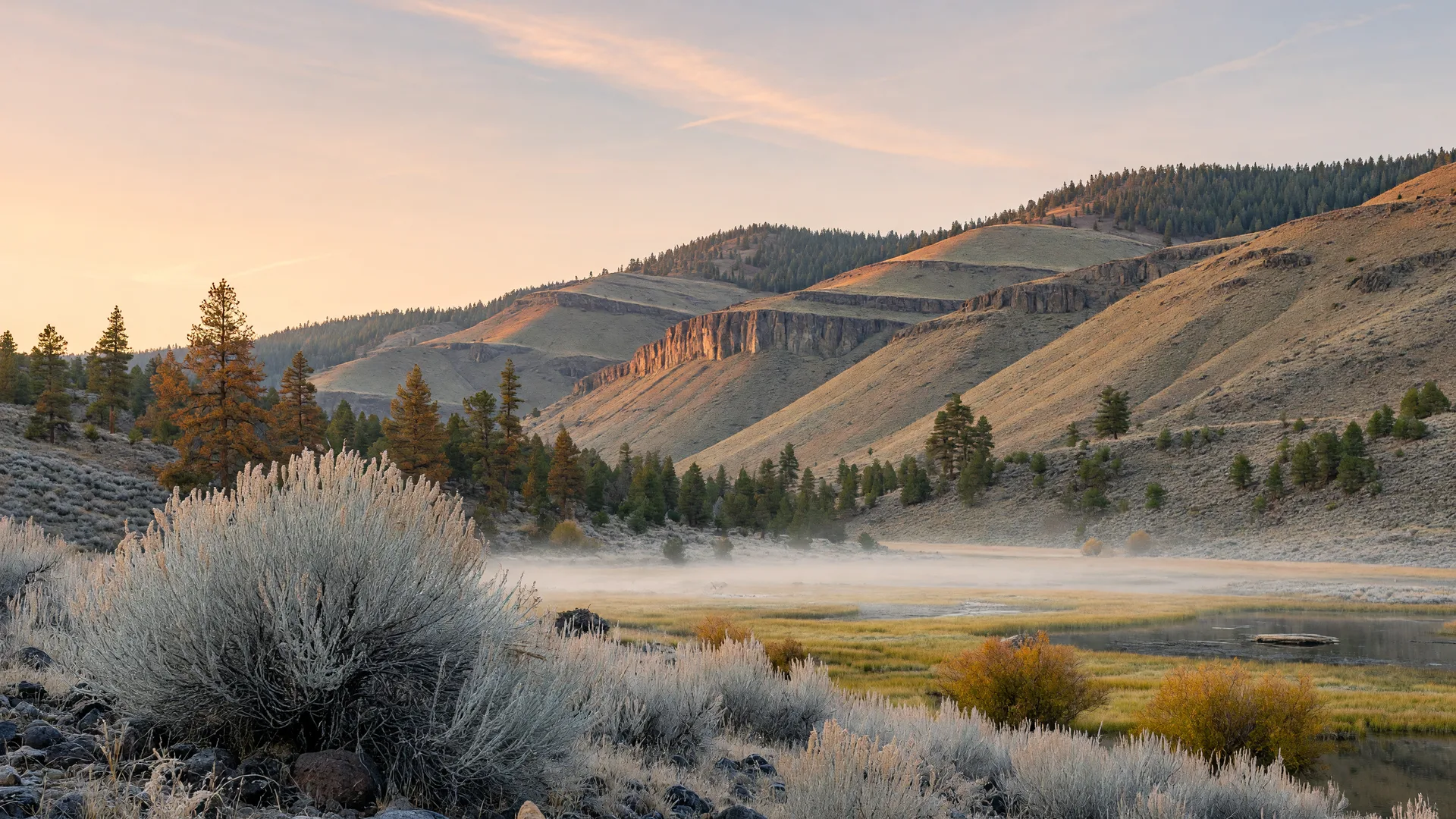
Picture an early fall morning in Southern Oregon. The sky is beginning to brighten above the timber, the air is cold enough to see your breath, and somewhere beyond the ridge, wildlife is beginning to move. For generations of families in the Klamath Basin, mornings like this have represented more than recreation. They have been opportunities to spend time outdoors, learn from family members, provide food, and develop a deeper understanding of the land.
But a successful hunting trip begins long before anyone sees an animal.
It begins with education, preparation, judgment, and respect.
Southern Oregon's forests, wetlands, high-desert landscapes, mountains, and remote backcountry offer remarkable opportunities for hunting and wildlife observation. Those same landscapes present challenges. Weather changes quickly, roads become impassable, cellular service disappears, and unfamiliar terrain can turn a simple outing into an emergency.
Whether you're an experienced hunter, introducing your children to the outdoors, or preparing for your first season, understanding hunting safety is essential.
And safety is not just about protecting yourself. Responsible hunters have obligations to other people, landowners, wildlife, and the landscapes that make hunting possible.
The Fundamental Rules of Firearm Safety
Every hunter should understand and consistently follow four fundamental principles.
First, treat every firearm as though it is loaded. Even when you believe a firearm is unloaded, verify its condition using proper handling procedures.
Second, always keep the muzzle pointed in a safe direction. A moment of carelessness can have permanent consequences.
Third, keep your finger outside the trigger guard until you have positively identified a lawful target, determined that a shot is safe, and made the decision to fire.
Fourth, know your target and what lies beyond it. Never shoot at movement, sound, a shadow, or an unidentified shape. Know where the projectile could travel if it misses or passes through the intended target.
These principles apply in the woods, at the shooting range, in camp, and while handling equipment at home.
Hunters should also unload firearms before entering vehicles, crossing fences, negotiating difficult obstacles, or performing activities where a fall or unintended movement could create danger.
A mechanical safety is an important feature, but it does not replace careful handling.
Know Your Equipment Before Hunting Season
A hunting trip is not the place to become familiar with an unfamiliar firearm or bow.
Practice in a lawful, controlled environment before the season. Understand how your equipment operates, how to confirm it is unloaded, and how to handle it safely.
The appropriate firearm, ammunition, bow, arrows, sights, and other equipment depend on the particular hunt and current Oregon regulations.
Hunters must verify the legal equipment requirements for their species, season, and hunt area with the Oregon Department of Fish and Wildlife.
Hunter Orange and Visibility
One of the simplest ways to reduce hunting risks is to make yourself more visible to other people.
High-visibility hunter-orange clothing can help other hunters recognize a person moving through vegetation or timber.
Oregon requires certain hunters younger than 18 to wear hunter orange when hunting specified game with firearms. Adults should also consider wearing high-visibility clothing even when not legally required.
Visibility is particularly important when walking through dense brush, hunting with a group, carrying harvested game, or approaching an area where other hunters may be present.
Always verify the current requirements for your hunt.
Hunting With Partners and Children
Hunting with family and friends can create lasting memories, but it requires clear communication.
Before separating or beginning a hunt, establish where each person will be located and which directions are safe for shooting.
Never fire toward another hunter's expected position. If you lose track of your companions, stop and reassess rather than making assumptions.
Children and inexperienced hunters require appropriate supervision and instruction.
A young hunter should understand how to identify wildlife, carry equipment safely, recognize unsafe situations, and communicate concerns.
Most importantly, young people should learn that deciding not to take a shot is often the most responsible decision they can make.
Where to Take Hunter Safety Classes in Klamath Falls
For new hunters and families, one of the most valuable steps is completing a recognized hunter-safety education program.
Fortunately, Oregon offers several pathways.
Oregon Department of Fish and Wildlife Hunter Safety Education
ODFW administers Oregon's official hunter-safety education program.
Courses teach firearm safety, wildlife identification, hunter ethics, hunting laws, survival, conservation, and responsible decision-making.
Oregon generally requires hunter education for hunters under 18, subject to specific exceptions, including qualifying mentored youth arrangements and certain family-land circumstances.
Adults are encouraged to participate even when certification is not required for their Oregon hunt.
Students can choose between approved online education and conventional in-person instruction.
For youth using the online pathway, an additional in-person field day is required.
ODFW's conventional courses combine classroom education, written testing, practical instruction, and field-day activities.
Official course information and registration:
- ODFW Hunter Safety Education
- ODFW Hunter Education Classes and Field Days
- ODFW Events and Registration
Hunter education contact: hunter.ed@odfw.oregon.gov
Are Hunter Safety Classes Actually Offered in Klamath Falls?
Yes. ODFW has held hunter-safety field days in Klamath Falls, including at its Klamath Watershed District Office on Miller Island Road.
However, class dates and available spaces change throughout the year.
Rather than relying on an outdated calendar, families should use ODFW's official registration system and search for upcoming events in Klamath Falls or other convenient Southern Oregon locations.
When registering a child, confirm the age requirements, whether an online course must be completed first, the necessary paperwork, and what participants should bring.
For ODFW field days, the agency provides the firearms and ammunition used for instruction. Participants should not bring their own unless the particular event's official instructions expressly say otherwise.
Oregon Hunters Association — Klamath Chapter
Another valuable local resource is the Oregon Hunters Association.
The organization supports responsible hunting, wildlife habitat, conservation, outdoor education, and the continuation of Oregon's hunting heritage.
Its Klamath Chapter offers a local connection to hunters, volunteers, habitat projects, youth-oriented activities, and community events.
The chapter is not a substitute for official ODFW hunter-safety certification, but it can be an excellent place to learn about local opportunities and meet people who share an interest in responsible outdoor recreation.
Learning to Hunt as an Adult
Not everyone grows up in a hunting family.
Some adults become interested in hunting after moving to Southern Oregon. Others want to learn how to responsibly harvest food, spend more time outdoors, or develop skills they never had the opportunity to learn as children.
ODFW's Hunter Recruitment Program provides education and workshops for adults learning to hunt or expanding their knowledge.
Programs may address hunting methods, species identification, equipment, safety, field skills, and other practical subjects.
ODFW Hunter Recruitment Program
A beginner should never feel embarrassed about seeking instruction. Hunting requires knowledge that develops through education, practice, and experience.
Backcountry Safety: Prepare for More Than the Hunt
Southern Oregon's hunting areas can be remote.
A hunter may travel miles from the nearest paved road, and some locations have little or no cellular coverage.
Before leaving, tell someone where you intend to hunt, where you plan to park, who is traveling with you, and when you expect to return.
Provide enough information that someone could direct emergency responders toward your planned location.
Download offline maps before leaving cellular coverage.
Carry navigation equipment appropriate to the area, and consider a satellite communication device when traveling into remote country.
Essential Hunting Emergency Equipment
Your equipment should reflect the season, terrain, weather, distance from assistance, and length of the trip.
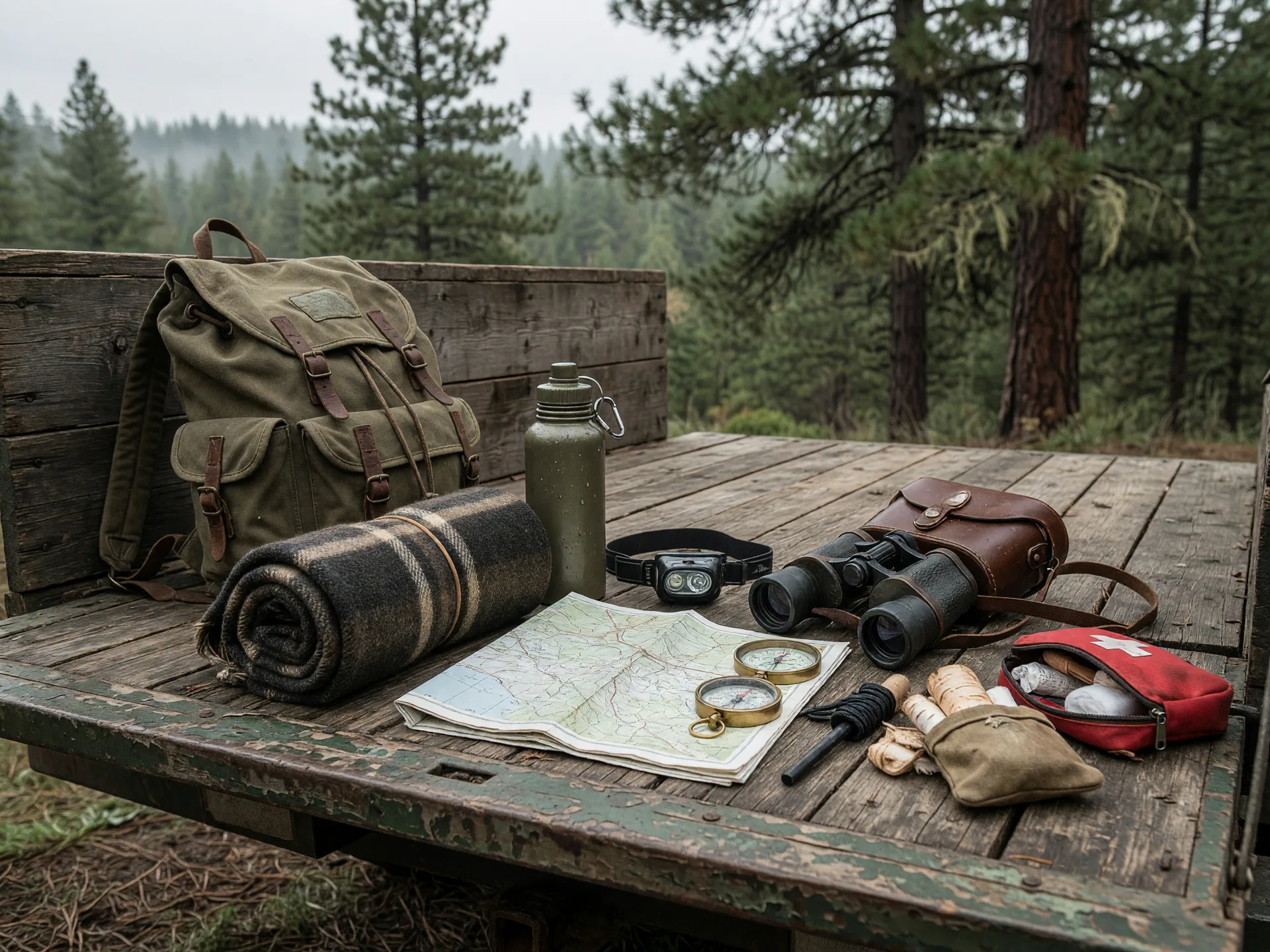
A sensible backcountry kit may include water, food, weather protection, insulating clothing, first-aid supplies, a headlamp, backup batteries, navigation tools, emergency shelter, a signaling device, and necessary medications.
Longer or more remote trips may require additional supplies and communication equipment.
Remember that even a short trip can become an overnight emergency if a vehicle breaks down or someone becomes injured.
Weather in Southern Oregon
Conditions can change dramatically with elevation and season.
A comfortable morning in the Klamath Basin may be followed by strong winds, cold rain, snow, or dropping temperatures in higher country.
During warmer periods, heat and dehydration become important concerns.
Dress in layers, carry appropriate weather protection, and monitor forecasts.
Do not assume that weather at your home accurately represents conditions where you intend to hunt.
Wildfire Restrictions and Road Closures
Southern Oregon's wildfire seasons can affect hunting access.
Forest roads may close, campfire restrictions may change, and active fires may make previously accessible locations unsafe.
Before traveling, consult the agency managing the land, including the U.S. Forest Service, Bureau of Land Management, or other appropriate authority.
Never enter a closed area or ignore restrictions.
Why Responsible Hunting Is Connected to Wildlife Conservation
For someone unfamiliar with hunting, the relationship between harvesting wildlife and protecting wildlife can seem contradictory.
How can hunting contribute to conservation?
The answer lies in the difference between unregulated exploitation and carefully managed wildlife populations.
Historically, unrestricted commercial hunting, habitat destruction, and other pressures contributed to severe declines in numerous North American wildlife species.
Conservation laws, protected habitat, wildlife research, public investment, and regulated hunting helped establish a different system.
Today, state wildlife agencies use biological research, population monitoring, habitat assessments, and other information to establish hunting regulations.
Hunting is one of several wildlife-management tools, not a universal solution for every species or ecological problem.
Hunting Can Help Manage Wildlife Populations
In appropriate circumstances, regulated hunting can help wildlife agencies manage populations relative to habitat conditions and management objectives.
Wildlife populations interact with food availability, habitat quality, predators, disease, weather, human development, and agricultural activity.
Where an agency determines that regulated harvest is appropriate, hunting can be incorporated into a broader management strategy.
The goal should not simply be maximizing the number of animals harvested.
It should be sustaining healthy wildlife populations and functioning ecosystems over time.
Hunters Help Fund Conservation
Many hunters contribute financially to conservation through licenses, tags, donations, and purchases subject to federal wildlife-restoration excise taxes.
The federal Pittman-Robertson Wildlife Restoration program directs eligible excise-tax revenues toward state wildlife conservation and management programs.
These funds support activities such as habitat restoration, wildlife research, public access, and hunter education.
Importantly, habitat conservation benefits more than hunted species.
Healthy forests, wetlands, grasslands, and migration corridors support many kinds of wildlife.
Conservation funding also comes from taxpayers, other recreationists, charitable organizations, and numerous public and private partners. Hunters are significant contributors, but conservation is a shared responsibility.
Rocky Mountain Elk Foundation: Hunting Is Conservation
One organization particularly worth exploring is the Rocky Mountain Elk Foundation.
RMEF works on habitat conservation, land access, wildlife research, habitat restoration, and the continuation of responsible hunting traditions.
Its educational initiative, Hunting Is Conservation, explains the history of regulated hunting and how hunters participate in wildlife stewardship.
- Rocky Mountain Elk Foundation — Hunting Is Conservation
- Rocky Mountain Elk Foundation — Conservation Programs
For people who want to understand the conservation argument behind hunting, these are valuable resources.
Oregon Hunters Association and Local Conservation
Conservation also happens at the community level.
The Oregon Hunters Association's Klamath Chapter has participated in habitat-oriented projects and supports wildlife management and hunting education.
Local volunteers can contribute through habitat improvement, educational events, fundraising, and conservation activities.
This is one reason hunting culture in Southern Oregon extends beyond the hunting season itself.
People who care about wildlife can participate in stewardship throughout the year.
Ethical Hunting and Respect for Wildlife
A responsible hunter follows applicable laws, positively identifies legal game, makes careful shot decisions, and makes every reasonable effort to recover an animal that has been hit.
Ethical hunters respect private property, other recreationists, and land closures.
They also understand the importance of using harvested game responsibly and avoiding unnecessary waste.
Hunting ethics involve more than what is technically legal. They include consideration for the animal, the land, and the people who share it.
Poaching, trespassing, unsafe shooting, and deliberate disregard for regulations undermine both wildlife conservation and public trust.
Hunting as Part of Life in Klamath County
For many Southern Oregon residents, hunting is connected to family traditions, self-reliance, conservation, and time spent outdoors.
It can also influence the kind of home or property someone wants.
A hunter might appreciate secure equipment storage, a large garage, a workshop, room for a freezer, a mudroom, trailer parking, or acreage.
Someone relocating to Klamath Falls may value convenient access to outdoor recreation, although proximity to public land does not automatically guarantee legal access or hunting rights.
When evaluating rural properties, buyers should investigate road access, easements, property boundaries, zoning, utilities, wildfire exposure, and other important considerations.
Lincoln Home helps buyers explore properties that fit their lifestyles while encouraging appropriate due diligence before purchasing.
Interested in making Southern Oregon your home? Explore Klamath County homes, rural acreage, cabins, properties with shops, and communities that offer access to the outdoor lifestyle you enjoy.
Frequently Asked Questions
Where can I take hunter safety classes in Klamath Falls?
Start with ODFW's official hunter-safety education and event-registration pages. Klamath Falls has hosted ODFW field days, but schedules and availability change. The Oregon Hunters Association's Klamath Chapter is another useful local resource for outdoor education and community connections.
Does Oregon require hunter education?
Oregon generally requires hunter education for hunters under 18, with specific exceptions. Adults are encouraged to take hunter education. Always review current ODFW rules for your circumstances.
Is hunting important for conservation?
Regulated hunting can contribute to wildlife management and conservation funding. Its usefulness depends on the species, population, habitat, and management objectives. Habitat protection, research, law enforcement, and other conservation efforts remain essential.
What is the Rocky Mountain Elk Foundation?
The Rocky Mountain Elk Foundation is a conservation organization focused on elk, other big-game wildlife, habitat stewardship, research, land conservation, and public access. It also provides educational resources about responsible hunting.
Can I hunt on public land near Klamath Falls?
Some public lands permit hunting, subject to state hunting laws and land-management rules. Verify ownership, legal access, road restrictions, closures, and the regulations for the specific hunt.
What should I bring on a Southern Oregon hunting trip?
Bring the required licenses and tags, appropriate hunting equipment, navigation tools, water, food, weather protection, first-aid supplies, lighting, and emergency equipment suited to the location and season.
Continue Exploring
Hunting and outdoor guides
- Planning Your First Southern Oregon Hunting Trip
- Hunting in Klamath County & Southern Oregon
- Camping in Southern Oregon
- Hiking and Wilderness Safety
- Fishing in the Klamath Basin
- Wildlife Conservation in the Klamath Basin
Rural property and relocation
Sources and Further Reading
- Review Oregon Hunting Regulations — ODFW
- ODFW Hunter Safety Education
- ODFW Hunter Education Classes and Field Days
- ODFW Events and Registration
- ODFW Hunter Recruitment Program
- Oregon Hunters Association — Klamath Chapter
- Oregon Hunters Association — Learn to Hunt
- Rocky Mountain Elk Foundation — Hunting Is Conservation
- Rocky Mountain Elk Foundation — Conservation Programs
Regulations, seasons, tags, class schedules, access rules, fire restrictions, and land closures change. Confirm current requirements with ODFW and the managing agency before your hunt. Content reviewed October 18, 2026, with the agencies linked above.