
Your First Southern Oregon Hunting Trip Begins With Preparation
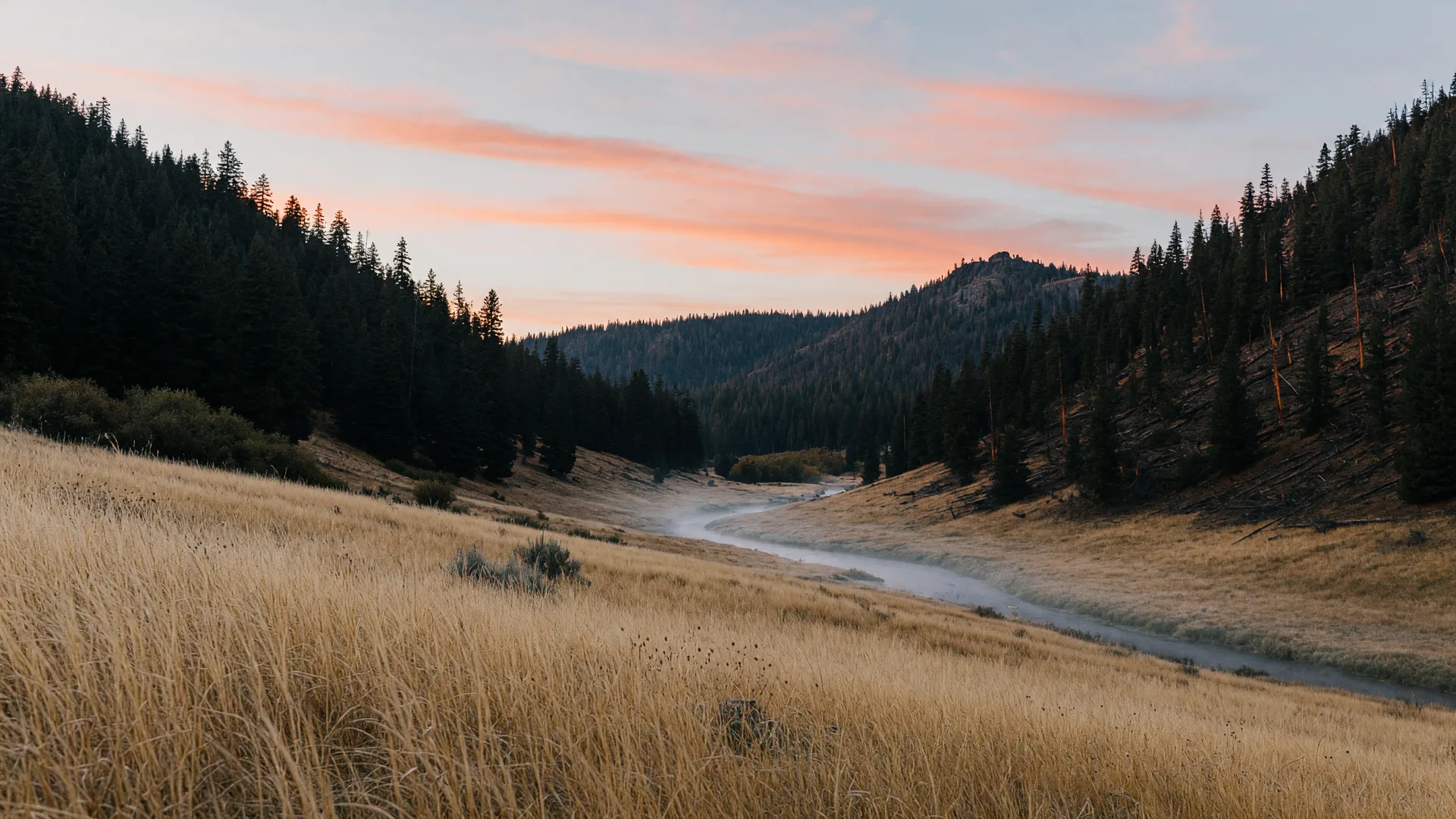
There is something unforgettable about experiencing Southern Oregon's backcountry before sunrise.
The roads are quiet. The forest is still. The landscape feels enormous.
For someone preparing for a first hunting trip, the anticipation can be exciting—and a little overwhelming.
What should you hunt? Where should you go? What equipment do you need? How do Oregon's licenses and tags work? What happens if you get lost? And what should you know before attempting to harvest an animal?
These are important questions.
The good news is that you do not need to grow up in a hunting family to become a knowledgeable, responsible hunter.
You need a willingness to learn, a commitment to safety, respect for wildlife, and enough preparation to make good decisions in the field.
Southern Oregon offers an opportunity to develop those skills while discovering the landscapes and outdoor traditions that make the Klamath Basin special.
Start by Choosing the Hunting Experience You Want
Different hunting experiences require different preparation.
Big-game hunting, upland bird hunting, waterfowl hunting, turkey hunting, and archery hunting can involve different equipment, habitat, legal requirements, physical demands, and techniques.
Before investing heavily in equipment, think about what interests you.
Are you hoping to provide meat for your family? Learn traditional outdoor skills? Spend time with a parent or grandparent? Become more familiar with wildlife? Explore Southern Oregon's public lands?
Your goals will help determine the kind of hunt you should research.
Beginners may benefit from selecting an opportunity where they can learn alongside an experienced, safety-conscious mentor.
The goal of your first trip should be learning—not proving yourself.
Understand Oregon Hunting Licenses and Tags
Oregon's hunting system includes licenses, tags, seasons, controlled hunts, application procedures, and species-specific regulations.
A hunting license does not automatically authorize every kind of hunting.
Depending on the species and opportunity, you may need a separate tag or other authorization.
Some hunts require advance applications through Oregon's controlled-hunt system.
Others may have different purchasing and eligibility rules.
Because hunting regulations can change annually, always begin with ODFW's current information.
Oregon Department of Fish and Wildlife — Hunting
Read the regulations for the exact species, hunt, season, and area you intend to visit.
Do not rely solely on advice from friends or information from previous seasons.
What Is a Controlled Hunt?
A controlled hunt is an opportunity for which the wildlife agency limits the number of available tags.
Hunters generally apply through a drawing process.
The purpose is to manage hunting opportunity and wildlife harvest according to agency objectives.
Application deadlines, hunt areas, tag numbers, and other requirements can change.
Before applying, understand the current process and the particular hunt you are selecting.
Take Hunter Safety Education Before Your First Hunt
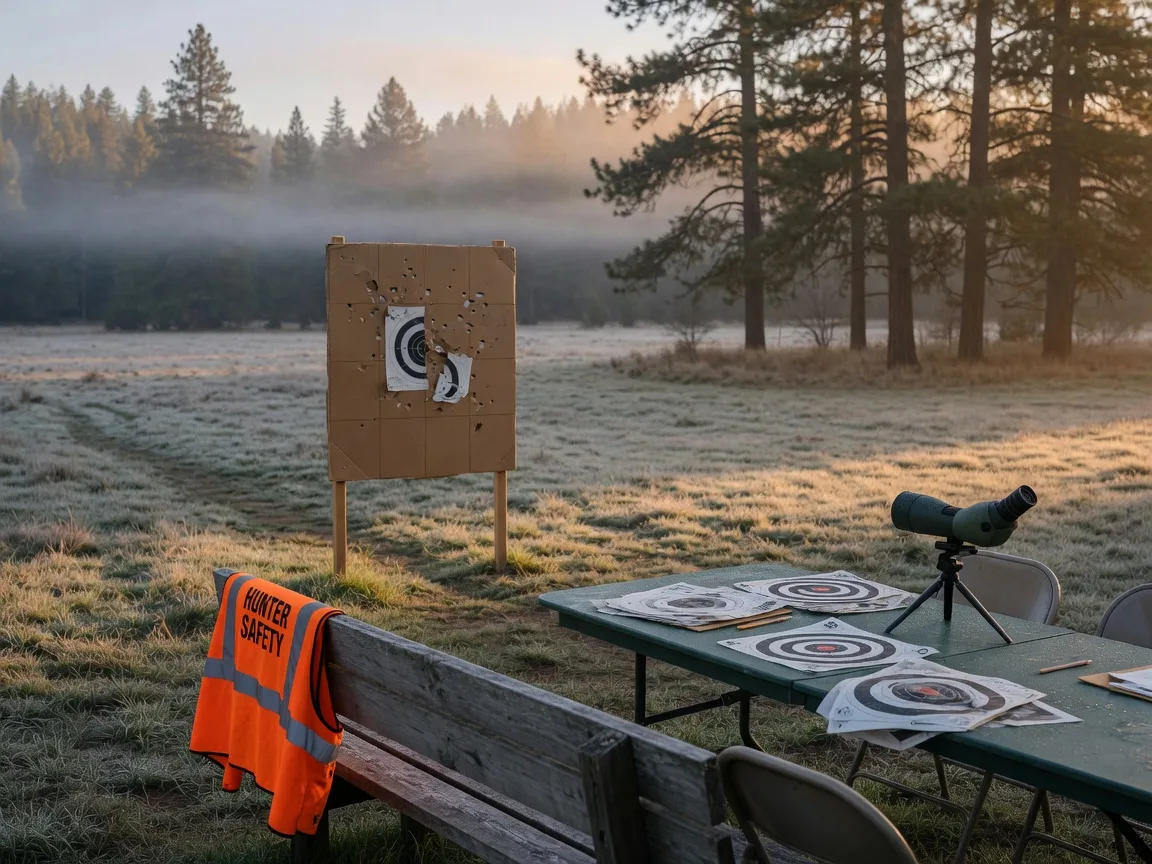
Hunter education is one of the best investments a new hunter can make.
ODFW's program introduces firearm handling, hunting ethics, wildlife identification, survival, conservation, and other important skills.
For youth, hunter education is generally required before hunting on their own authorization, subject to applicable exceptions.
Adults can also benefit from completing a course, particularly if they have little previous experience with firearms or hunting.
Finding Classes in Klamath Falls
ODFW offers hunter-safety education through approved online programs and in-person instruction.
Young hunters who complete an approved online course must also satisfy the applicable field-day requirement.
Field days provide supervised opportunities to demonstrate safe firearm handling and other practical skills.
Klamath Falls has hosted official ODFW hunter-safety field days, including at the Klamath Watershed District Office.
To find future opportunities, use the official statewide registration system and search for Klamath Falls.
Do not wait until the final days before your planned hunt. Classes can fill, and young hunters may need time to complete both online education and field-day requirements.
What If You're an Adult Learning to Hunt?
ODFW's Hunter Recruitment Program is specifically designed to help adults build skills and confidence.
It provides educational opportunities for beginners and for hunters who want to explore unfamiliar species or techniques.
ODFW Hunter Recruitment Program
The Oregon Hunters Association also provides a Learn to Hunt program that includes educational opportunities and resources.
Meet the Local Hunting Community
One of the most useful things a beginner can do is meet responsible, experienced hunters.
A good mentor can help you understand terrain, animal behavior, safety, land access, regulations, and ethical decision-making.
The Oregon Hunters Association's Klamath Chapter is a local organization worth exploring.
Its work includes hunting heritage, conservation, habitat activities, and community involvement.
Oregon Hunters Association — Klamath Chapter
Attend an appropriate public event, ask about educational opportunities, and look for ways to volunteer.
A conservation project can be an excellent introduction to people who understand the land and care about its future.
Learn About the Wildlife You Want to Hunt
Successful hunting begins with understanding animals.
Different species use habitat differently.
They respond to weather, food availability, water, human activity, seasonal conditions, and changes in the landscape.
A hunter who studies wildlife behavior develops more than hunting knowledge.
They begin to understand ecology.
Learning to identify tracks, signs, habitat, and animal behavior can make time outdoors more rewarding even when no hunting opportunity presents itself.
ODFW species information, wildlife-management materials, and educational programs are useful starting points.
Research Where You Can Legally Hunt
Southern Oregon contains substantial public land, but access rules vary.
Some areas are managed by the Bureau of Land Management.
Others are managed by the U.S. Forest Service, state agencies, or different public entities.
Private property may exist within or alongside public-land boundaries.
A road that appears to lead to public land may cross private property or be subject to restrictions.
Before leaving home, verify land ownership, legal access, road conditions, motor-vehicle restrictions, seasonal closures, and any applicable hunting limitations.
Never assume an unmarked or unfenced property is public.
Never drive around locked gates or closures.
Scouting Your Hunting Area
Scouting is one of the most useful ways to prepare.
Visit the area before hunting season when access is lawful.
Learn the roads, trails, elevations, terrain, and available parking.
Identify potential hazards and places where navigation could become difficult.
Study maps and become familiar with offline navigation.
A location that looks easy to reach on a screen may be much more challenging in person.
Scouting also gives you an opportunity to enjoy Southern Oregon's landscapes without the pressure of an active hunt.
Practice Before Entering the Field
Become comfortable with your firearm or bow before hunting.
Practice safe handling, accurate shooting, and equipment maintenance in an appropriate environment.
Know the limitations of your equipment and your own abilities.
Understand the legal weapon requirements for your particular hunt.
A responsible hunter should never attempt a shot simply because the equipment might technically reach the target.
Your demonstrated ability, target identification, safe background, and realistic recovery prospects should determine whether a shot is appropriate.
Pack for Southern Oregon's Conditions
The correct equipment depends on the hunt, season, and location.
A short outing close to a vehicle requires different preparation from a remote overnight trip.
At minimum, think carefully about navigation, water, food, clothing, first aid, emergency communication, lighting, and the equipment needed for your particular hunt.
Carry the required license and tag information.
Check the weather and prepare for realistic changes.
If you intend to harvest big game, understand how you will safely recover, process, cool, and transport the meat.
The physical work after a successful hunt can be substantial.
Plan for it before leaving home.
Understand Why Hunting and Conservation Are Connected
A first hunting trip is also an opportunity to learn about wildlife management.
Many people understandably ask why hunting continues in a society where most families purchase food at grocery stores.
There is no single answer.
Some people hunt to provide food.
Others value family traditions, outdoor skills, recreation, or a connection to nature.
Regulated hunting can also contribute to wildlife management and conservation funding.
The Difference Between Regulated Hunting and Uncontrolled Harvest
Historically, unregulated commercial hunting and habitat loss contributed to serious wildlife declines.
Modern wildlife management operates under a different framework.
Wildlife agencies establish rules intended to sustain populations, protect habitats, and regulate harvest.
Those decisions may involve population surveys, research, habitat conditions, disease concerns, agricultural impacts, and other factors.
Not every wildlife problem is solved by hunting. In many situations, habitat protection, restoration, coexistence measures, or other management approaches are more appropriate.
But when carefully regulated and biologically justified, hunting can be one part of a broader conservation strategy.
How Hunters Support Wildlife Conservation
Hunters contribute through license and tag purchases, donations, volunteer work, and equipment purchases subject to wildlife-restoration excise taxes.
These revenues help support wildlife agencies and conservation activities.
Habitat projects can benefit elk, deer, birds, small mammals, and species that are never hunted.
The conservation value comes from the broader investment in functioning ecosystems, not merely from harvesting animals.
Learn About the Rocky Mountain Elk Foundation
The Rocky Mountain Elk Foundation provides extensive information about the connection between responsible hunting, wildlife management, and habitat conservation.
Its Hunting Is Conservation educational materials explain the history of the North American wildlife-management system and the role hunters play in conservation funding and habitat work.
Rocky Mountain Elk Foundation — Hunting Is Conservation
The organization also supports habitat improvement, research, land conservation, and public-access initiatives.
Explore RMEF Conservation Programs
For someone new to hunting, these resources can help explain why many hunters consider themselves conservationists.
The Value of Hunting for Food
For some families, hunting offers a direct connection between the food they eat and the natural environment.
Successfully harvesting an animal involves responsibilities that grocery shopping does not.
A hunter must understand the species, comply with regulations, make an ethical shot, recover the animal, and handle the meat properly.
That experience can encourage greater appreciation for food, wildlife, and the work involved in providing for a household.
However, wild game must be handled, processed, and stored safely. Hunters should learn proper field care and food-safety practices before their first successful hunt.
Passing Outdoor Traditions to the Next Generation
Many families value hunting because it creates opportunities for parents, grandparents, children, and friends to spend meaningful time together.
A young person can learn patience, observation, navigation, safety, responsibility, and respect for wildlife.
Those lessons do not depend on harvesting an animal.
A day spent identifying tracks, studying habitat, learning to read a map, or helping with a conservation project can be valuable in its own right.
The strongest hunting traditions emphasize responsibility rather than pressure to succeed.
Children should feel comfortable asking questions and declining a shot when they are uncertain.
Respect Other People Who Share the Outdoors
Hunters are not the only people who enjoy Southern Oregon's public lands.
Hikers, campers, anglers, birdwatchers, photographers, families, and other outdoor enthusiasts may be using the same landscapes.
Everyone benefits from respectful behavior.
Give other visitors space.
Follow road and trail restrictions.
Do not interfere with other lawful recreation.
Keep firearms under control.
Respect property boundaries.
Pack out trash and avoid unnecessary damage to habitat.
Responsible behavior helps maintain public trust and protects future opportunities for everyone.
What If You Don't Harvest an Animal?
You can still have a successful first hunting trip.
Perhaps you learned to navigate unfamiliar terrain.
Maybe you discovered wildlife habitat you had never noticed before.
You may have practiced patience, developed confidence, or learned something important from an experienced hunter.
You might return home with photographs, memories, and a better understanding of the landscape.
Those experiences matter.
Hunting is not a guaranteed harvest, and beginners should never feel pressured to take an unsafe or unethical shot simply to avoid returning empty-handed.
A Practical Timeline for Your First Hunt
Several Months Before
Choose a species and hunting method. Review ODFW regulations, determine licensing and application requirements, complete appropriate education, and begin practicing.
One to Three Months Before
Research legal hunting areas, scout where permitted, improve your physical conditioning, prepare equipment, and learn about game recovery.
One Week Before
Check current regulations, weather, fire restrictions, land closures, road conditions, and your equipment.
The Day Before
Download maps, charge communication devices, pack food and water, inspect your vehicle, and give someone your trip plan.
On Hunting Day
Take your time. Handle equipment safely, remain aware of other people, positively identify game, and never allow excitement to override good judgment.
Living in Southern Oregon: When Outdoor Recreation Becomes a Lifestyle
For some visitors, a first hunting trip becomes the beginning of a much larger connection to Southern Oregon.
They return for camping, hiking, fishing, wildlife photography, boating, and exploring the region's landscapes.
Eventually, some begin imagining what it would be like to live closer to the places they enjoy.
The Klamath Basin offers a variety of housing and rural-property options, from established neighborhoods to acreage, cabins, and homes with workshops or outbuildings.
A buyer who enjoys hunting and outdoor recreation may want room for equipment, secure storage, a freezer, a trailer, dogs, or other practical features.
But buying rural property involves additional questions.
Road maintenance, access easements, water sources, septic systems, zoning, wildfire exposure, insurance, and utilities all deserve careful investigation.
And living near public land does not automatically guarantee legal access or hunting rights.
Lincoln Home can help buyers explore the region's communities and properties while considering the lifestyle that brought them to Southern Oregon in the first place.
Come for the outdoors. Explore the communities. And when you're ready to see what living here could look like, Lincoln Home can help you begin the search.
Frequently Asked Questions
How do I start hunting in Oregon if I've never hunted before?
Begin with ODFW's hunter-education resources, choose a species and hunting method, review current regulations, practice with appropriate equipment, and consider learning from an experienced mentor or structured workshop.
Where can beginners take hunter safety classes near Klamath Falls?
ODFW offers approved online education and in-person hunter-safety courses or field days. Klamath Falls has hosted official field days. Check the current ODFW registration calendar for future local opportunities.
Can adults take Oregon hunter safety classes?
Yes. Adults are encouraged to take hunter education, and ODFW also offers hunter-recruitment workshops designed for adults developing hunting skills.
Does hunting help wildlife conservation?
Regulated hunting can support wildlife management and conservation funding when appropriately designed. Conservation also depends on habitat protection, scientific research, enforcement, and other public and private efforts.
What conservation organizations should new hunters learn about?
The Rocky Mountain Elk Foundation and Oregon Hunters Association are useful organizations to explore. ODFW is the primary official resource for Oregon hunting regulations and state wildlife-management information.
Can I hunt on my own rural property in Oregon?
Owning land does not exempt someone from applicable hunting laws, licenses, tags, seasons, weapon restrictions, or other requirements. Property ownership and access issues must also be considered. Verify the specific circumstances with ODFW and appropriate authorities.
Is Klamath Falls a good home base for outdoor recreation?
Klamath Falls and the broader Klamath Basin provide access to diverse landscapes and recreational opportunities. The best location depends on the activities you enjoy, your preferred community, property needs, and legal access to specific recreation areas.
Continue Exploring
Hunting and outdoor guides
- Hunting Safety in Southern Oregon
- Hunting in Klamath County & Southern Oregon
- Camping in Southern Oregon
- Hiking and Wilderness Safety
- Fishing in the Klamath Basin
- Wildlife Conservation in the Klamath Basin
Rural property and relocation
Sources and Further Reading
- Oregon Department of Fish and Wildlife — Hunting
- ODFW Hunter Safety Education
- ODFW Hunter Education Classes and Field Days
- ODFW Events and Registration
- ODFW Hunter Recruitment Program
- Oregon Hunters Association — Klamath Chapter
- Oregon Hunters Association — Learn to Hunt
- Rocky Mountain Elk Foundation — Hunting Is Conservation
- Rocky Mountain Elk Foundation — Conservation Programs
Regulations, seasons, tags, class schedules, access rules, fire restrictions, and land closures change. Confirm current requirements with ODFW and the managing agency before your hunt. Content reviewed October 18, 2026, with the agencies linked above.