
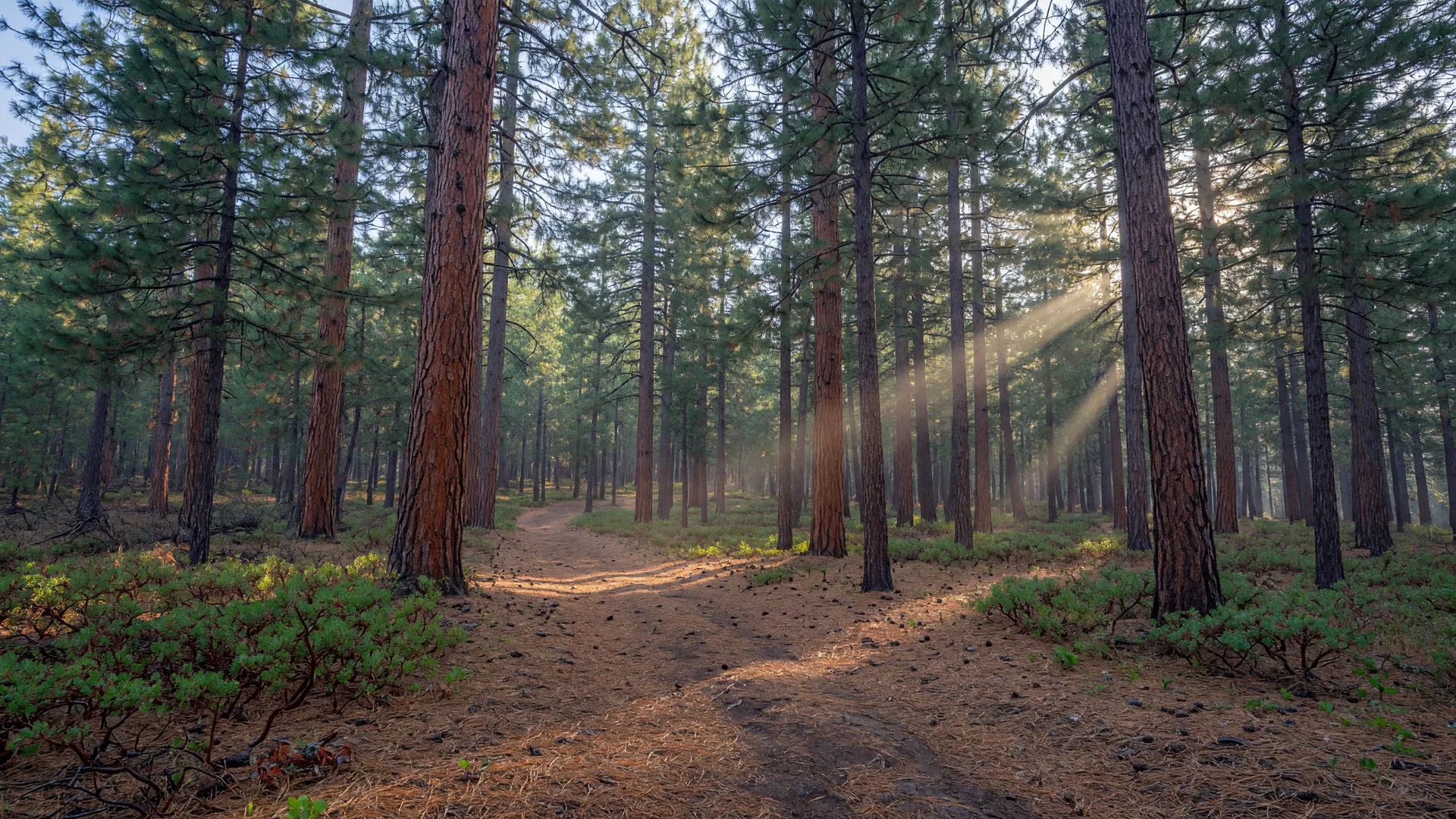
Owning a Piece of the Forest
For many buyers, forested property represents the ultimate Southern Oregon lifestyle.
Tall pines, wildlife, natural shade, seasonal changes, and quiet surroundings can make a wooded parcel extraordinarily appealing.
But forest ownership also creates responsibilities that deserve serious attention.
Trees are living assets. They can provide privacy, habitat, recreational enjoyment, and sometimes commercial timber value.
They can also require management, maintenance, and specialized expertise.
Can You Cut Trees on Your Own Property?
Ownership does not mean every tree-cutting activity is free from regulation.
Oregon's Forest Practices Act regulates qualifying forestry operations on non-federal forestlands.
Depending on the operation, landowners or operators may need to file a Notification of Operation with the Oregon Department of Forestry before work begins.
Activities using power-driven machinery or fire may also require permits under applicable forestry rules.
For qualifying forest operations, ODF generally requires advance notification, and additional rules may address streams, wildlife resources, reforestation, and harvesting practices.
The rules applicable to removing a hazardous tree near a residence may differ from those governing a commercial timber harvest.
Before undertaking significant clearing or harvesting, contact Oregon Department of Forestry to determine the requirements for the specific property and proposed activity.
Timber Rights and Ownership
Do not automatically assume all timber rights are included in a purchase.
Review the title report and relevant agreements for timber reservations, harvesting rights, or other interests.
If commercial timber value is part of the purchase decision, consider hiring a consulting forester to evaluate species, condition, access, volume, and harvesting feasibility.
Forest Health Matters
A beautiful stand of trees may contain insect damage, disease, overcrowding, or dead material.
A forestry professional can help assess forest health and develop a management plan.
Selective thinning may improve certain forest conditions, but inappropriate cutting can create erosion, habitat damage, or additional wildfire hazards.
Firewood and Personal Use
Cutting firewood on your own property is different from collecting it on federal or state land.
On public land, permits and designated cutting areas may apply. Rules vary by land manager and location.
Check with the relevant U.S. Forest Service, Bureau of Land Management, or Oregon Department of Forestry office before collecting wood.
Roads, Streams, and Sensitive Areas
Forested parcels may include seasonal waterways, steep slopes, wetlands, or erosion-prone soils.
Road construction and timber operations near waterways can trigger additional requirements.
Before purchasing, determine whether the property's intended recreational or commercial use is feasible.
Forestry Notifications and Firewood Permitting
Official sources for forestry notifications, harvesting rules, and public-land wood cutting. Always confirm current requirements for the specific property and proposed activity.
On public land, permits and designated cutting areas may apply, and rules vary by land manager and location, so check with the relevant office before collecting wood.
Frequently Asked Questions
Can I commercially harvest timber from my property?
Potentially, subject to ownership rights, applicable forestry rules, notifications, permits, and site conditions.
Can I clear trees to build a house?
Possibly, but land-use approval, building requirements, forestry regulations, and other restrictions may apply.
Should I hire a forester before buying wooded acreage?
A forester can be especially valuable when timber value, forest health, wildfire risk, or substantial management work influences the purchase.
Find Your Forest Retreat
Whether you're seeking a cabin among the pines, a home with wooded acreage, or recreational land, Lincoln Home can help you explore Southern Oregon properties.
The Lincoln Home property search portal covers active Klamath Basin MLS listings across the whole region. It does not offer a forested-acreage filter, so use the broad search to browse current inventory, then ask Lincoln Home for a saved search targeted to wooded, rural, and cabin properties.
More From the Rural Living & Acreage Series
Forested ownership connects directly to wildfire risk, insurance, zoning, and the best areas to search. Continue with the guides below.
- Wildfire Risk and Defensible Space for Rural Klamath County Homes Managing vegetation and reducing wildfire exposure.
- Homeowners Insurance for Rural, Forested, and High-Fire-Risk Properties Investigating coverage before you commit.
- Rural Zoning and Land Use in Klamath County: What Buyers Need to Know Forestland rules and what a parcel's zoning allows.
- Best Areas Around Klamath Falls for Acreage, Rural Homes, and Country Living Where wooded and rural acreage concentrates in the county.
Official Resources and Further Reading
These official resources are the starting point for verifying rules for a specific property. Lincoln Home presents general educational content, not property-specific legal approval. Confirm current requirements with the responsible agency before relying on any development claim.