
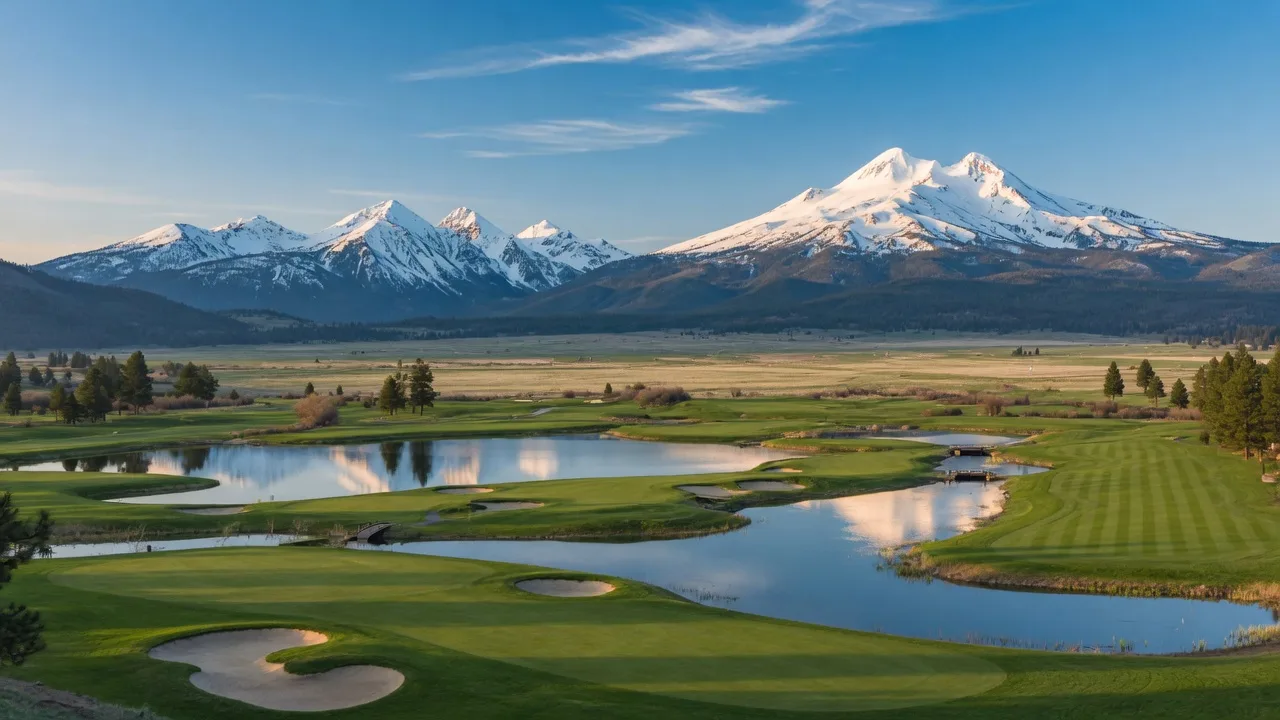
Golf in a Landscape That Feels Different
Klamath Falls occupies an interesting place in Southern Oregon.
The city sits east of the Cascade Range in a high-elevation basin where the landscape differs from the wetter valleys and coastal environments many people associate with Oregon.
That setting contributes to the region's appeal for outdoor recreation.
Golfers may experience sunny skies, mountain scenery, cool mornings, warm afternoons, and changing seasonal conditions.
But understanding the climate means looking beyond a simple description such as “sunny Southern Oregon.”
Elevation Changes the Experience
Klamath Falls sits at roughly 4,100 feet above sea level.
That elevation influences temperatures, seasonal conditions, and the experience of outdoor activity.
Golfers arriving from lower elevations may notice differences in temperature, sun exposure, and sometimes ball flight.
However, actual playing distance depends on several factors, including air density, temperature, wind, and individual shot characteristics.
Don't assume every club will travel a predictable number of yards farther.
Use your warm-up and early holes to adjust.
Sunshine Doesn't Mean Constant Warmth
Klamath Falls has a reputation for sunshine.
But sunny weather and warm weather are not the same thing.
At higher elevations, mornings can be cool even when afternoons become pleasant.
Golfers should dress in layers and be prepared for changing temperatures.
A lightweight jacket may be useful early in the round and unnecessary later.
That flexibility is especially important during spring and autumn.
Wind and Course Strategy
Wind can change a golf round significantly.
A familiar approach shot may require a different club when playing into a headwind.
Crosswinds can influence aiming decisions.
Tailwinds may create opportunities but also make distance control more difficult.
Rather than trying to overpower the conditions, choose clubs and targets that reflect the actual wind.
Golfers who enjoy strategic play may appreciate how weather introduces variety into a familiar course.
The Summer Experience
Summer offers longer daylight hours and opportunities to combine golf with other activities.
But warmer temperatures create their own considerations.
Hydration, sun protection, and appropriate tee-time selection are important.
Golfers should also monitor wildfire smoke and air quality when relevant.
The right time to play is not simply the time when the course has an opening.
It is the time that fits the day's actual conditions and your needs.
Spring and Autumn
Spring and autumn can offer appealing scenery and comfortable playing opportunities.
However, these transitional seasons can also bring unpredictable weather.
Frost delays, rain, wind, and shorter daylight hours may influence scheduling.
Visitors should check official course conditions rather than relying on seasonal averages alone.
Winter Is Part of the Lifestyle
Winter conditions are an important part of living in the Klamath Basin.
Golf availability may be limited by snow, frost, and freezing temperatures.
For homeowners, winter also brings practical considerations such as heating, property access, and maintenance.
Someone considering relocation should understand the entire seasonal experience.
The climate that makes summer recreation appealing also requires preparation during colder months.
How Climate Influences Golf Course Choice
Running Y, Harbor Links, and Shield Crest offer different layouts and settings.
The same weather conditions may influence each course differently.
Open areas, water features, trees, and terrain can all affect how wind and temperature are experienced.
A course that feels comfortable on one day may play differently during another season.
That variety is part of the appeal of outdoor golf.
Could You Enjoy Living Here?
For some golfers, a visit to Klamath Falls sparks interest in the surrounding lifestyle.
They enjoy the open scenery, recreational opportunities, and changing seasons.
But relocating should involve more than comparing sunshine or golf conditions.
Evaluate housing, utilities, healthcare access, commuting, insurance, winter maintenance, and your broader interests.
A climate that appeals to one household may be less suitable for another.