Two Different Versions of the Southern Oregon Dream
Imagine two homes.
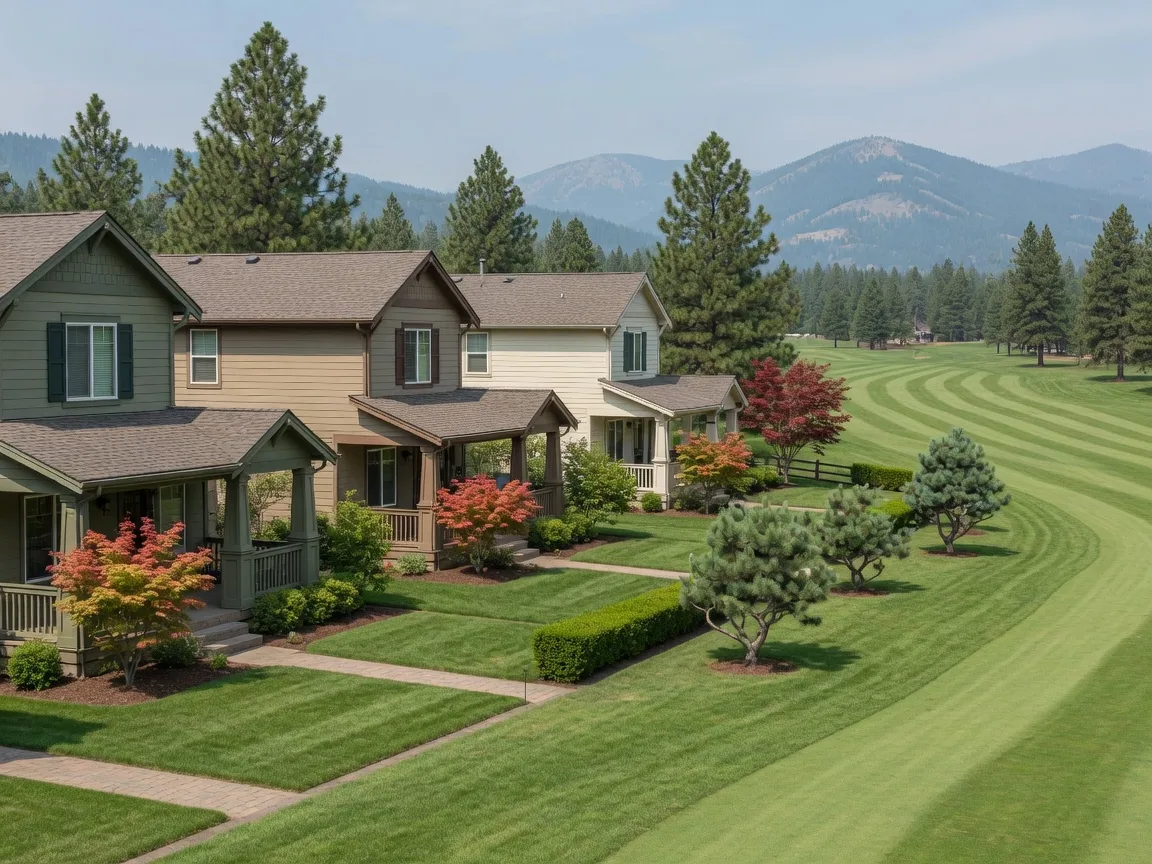
The first overlooks a golf course in a planned residential community.
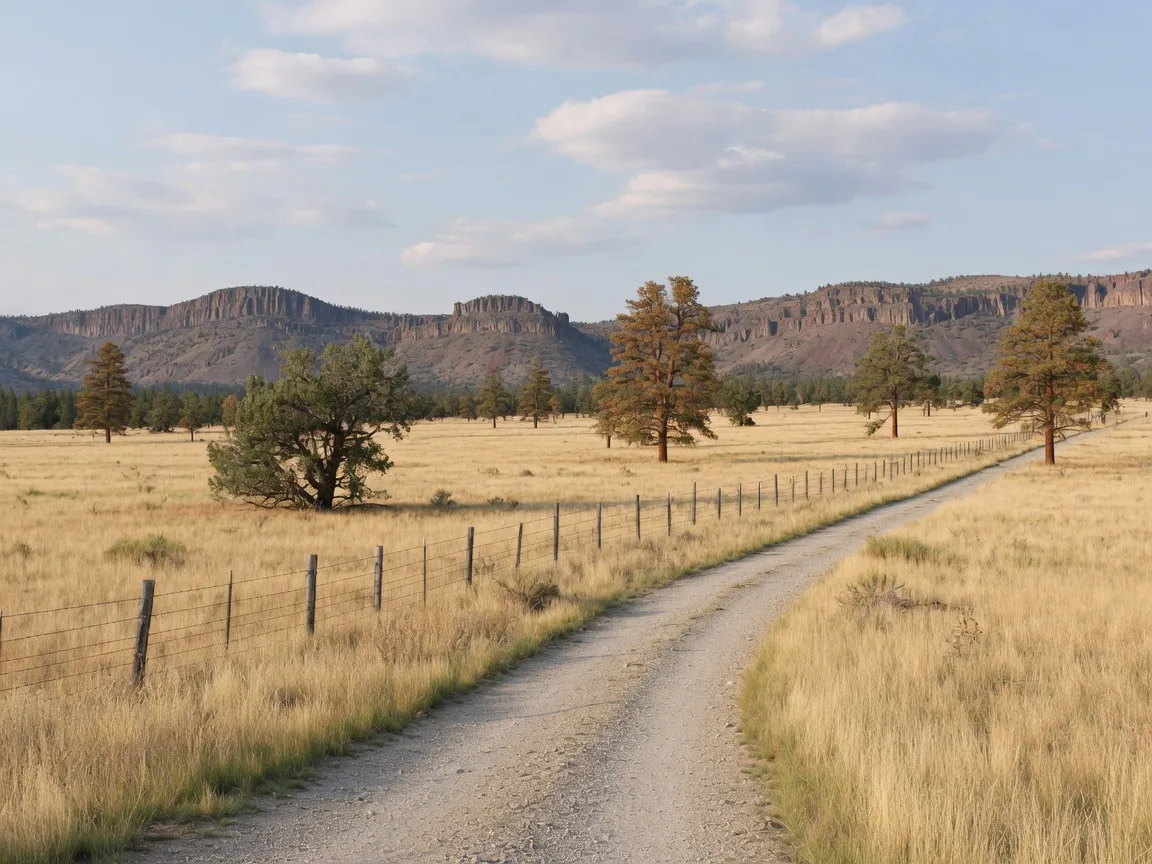
The second sits on several acres with open space and room for outdoor projects.
Both may offer attractive Southern Oregon scenery.
Both may appeal to someone seeking a different pace of life.
But the ownership experiences can be dramatically different.
Choosing between golf-oriented community living and rural acreage is less about deciding which lifestyle is better and more about understanding which responsibilities and opportunities suit you.
Golf Communities: Convenience and Defined Arrangements
Golf-oriented communities may appeal to buyers who value proximity to recreation and an established neighborhood environment.
Running Y, Shield Crest, and Harbor Isles offer different settings to investigate.
Some properties may be subject to association rules or shared maintenance arrangements.
Those arrangements can provide benefits, but they may also limit certain property uses.
Review the applicable documents rather than assuming every community operates the same way.
Rural Acreage: Space and Independence
Rural properties may offer larger parcels, outdoor storage, gardening opportunities, or room for hobbies where permitted.
But more land also means more responsibility.
Fencing, vegetation management, access roads, drainage, and outbuildings may require ongoing attention.
The amount of usable land matters more than acreage alone.
A steep or environmentally constrained parcel may not support the uses a buyer imagines.
Wells and Water
Some rural Klamath County properties rely on private wells.
If you're considering such a property, investigate the well's condition, available records, water quality, production, and applicable legal requirements.
Water availability should never be assumed from the presence of a well or neighboring properties.
Consult qualified professionals and relevant agencies.
Golf-oriented community properties may have different utility arrangements, but those must also be verified individually.
Septic Systems
Rural properties may use on-site wastewater systems.
A septic system requires proper operation, maintenance, and evaluation.
Before purchasing, investigate permits, inspection records, system condition, and any applicable requirements.
Do not assume that an existing septic system can support a proposed expansion or additional dwelling.
Roads and Access
Rural access can involve public roads, private roads, easements, or shared maintenance agreements.
Determine who maintains the route and whether it is practical throughout the year.
Snow, mud, drainage, and emergency access may affect some properties.
Golf-oriented communities can have their own road and maintenance arrangements, so those should also be reviewed.
Privacy: What Does It Really Mean?
Acreage may provide more physical separation from neighboring homes.
But parcel size does not automatically guarantee privacy.
Nearby land uses, roads, topography, and vegetation all matter.
A golf-oriented home may have open views but also greater exposure to golfers and maintenance activity.
Visit the property and evaluate actual sightlines.
Maintenance and Time
This is one of the most important differences.
A large rural property may require substantial ongoing work.
A property in a planned community may have shared maintenance arrangements, but the owner may also face assessments and restrictions.
Compare how much time you want to spend maintaining property versus enjoying it.
Insurance and Financial Considerations
Both property types may involve location-specific insurance and maintenance costs.
Rural properties may present additional considerations involving structures, access, vegetation, and infrastructure.
Golf-oriented properties may involve association insurance arrangements or course-related considerations.
Obtain property-specific insurance quotes and realistic ownership estimates.
Can You Have Both Acreage and Golf Access?
Yes, depending on available properties and your definition of convenient access.
You do not necessarily have to live directly beside a course to enjoy golf regularly.
A rural property within a reasonable drive of a Klamath Falls course may provide a compromise.
But actual travel times and road conditions should be evaluated.
Questions to Ask Yourself
Would you enjoy maintaining a larger parcel?
Do you want room for animals or outdoor projects, subject to applicable rules?
Are you comfortable managing wells, septic systems, or private access?
Would you rather have a smaller property with defined community arrangements?
How frequently would you use the golf course?
What recurring costs can you comfortably manage?
Your answers may make the choice clearer.