
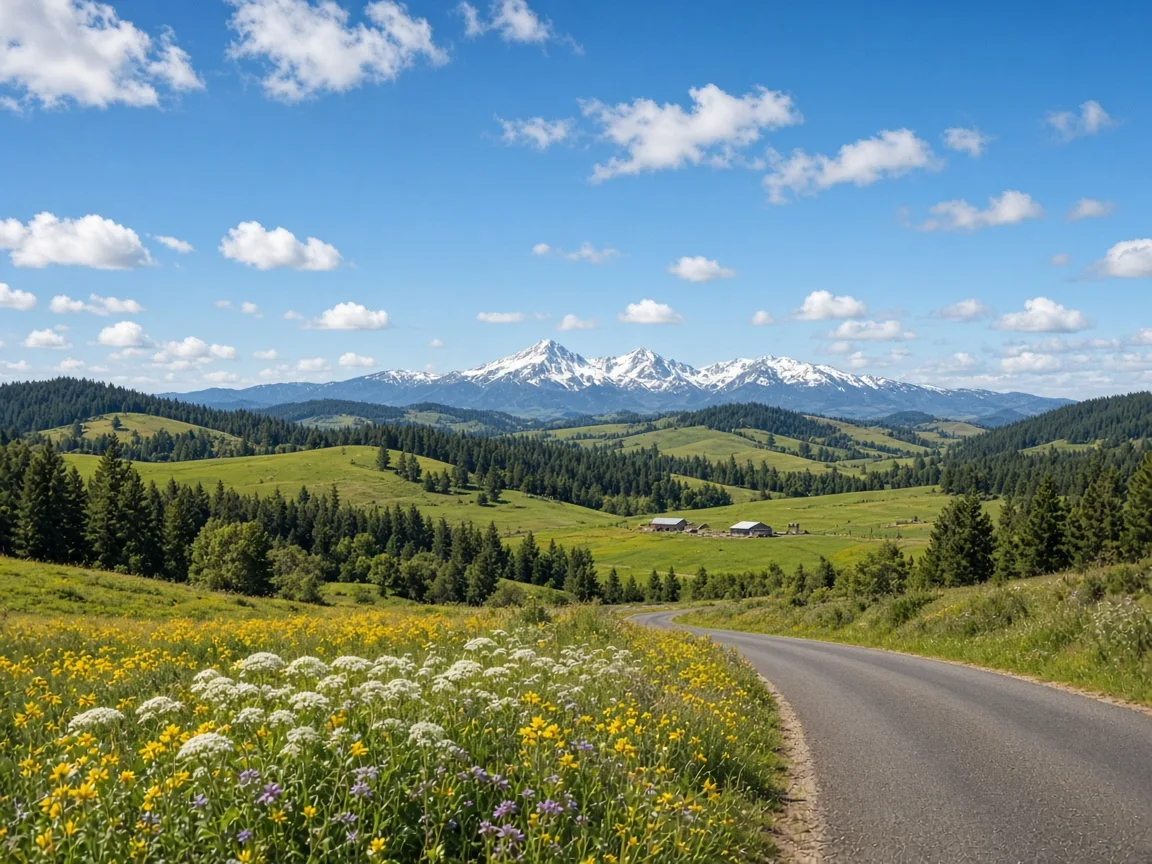
An autumn wetland shoreline in Southern Oregon, showing how lake edges change through the seasons.
The same lake can feel like two different places depending on the time of year. Water levels change with precipitation, snowmelt, evaporation, withdrawals and water-management decisions. Those changes can affect a boat ramp, shoreline access, fishing conditions and the everyday experience of living near water.
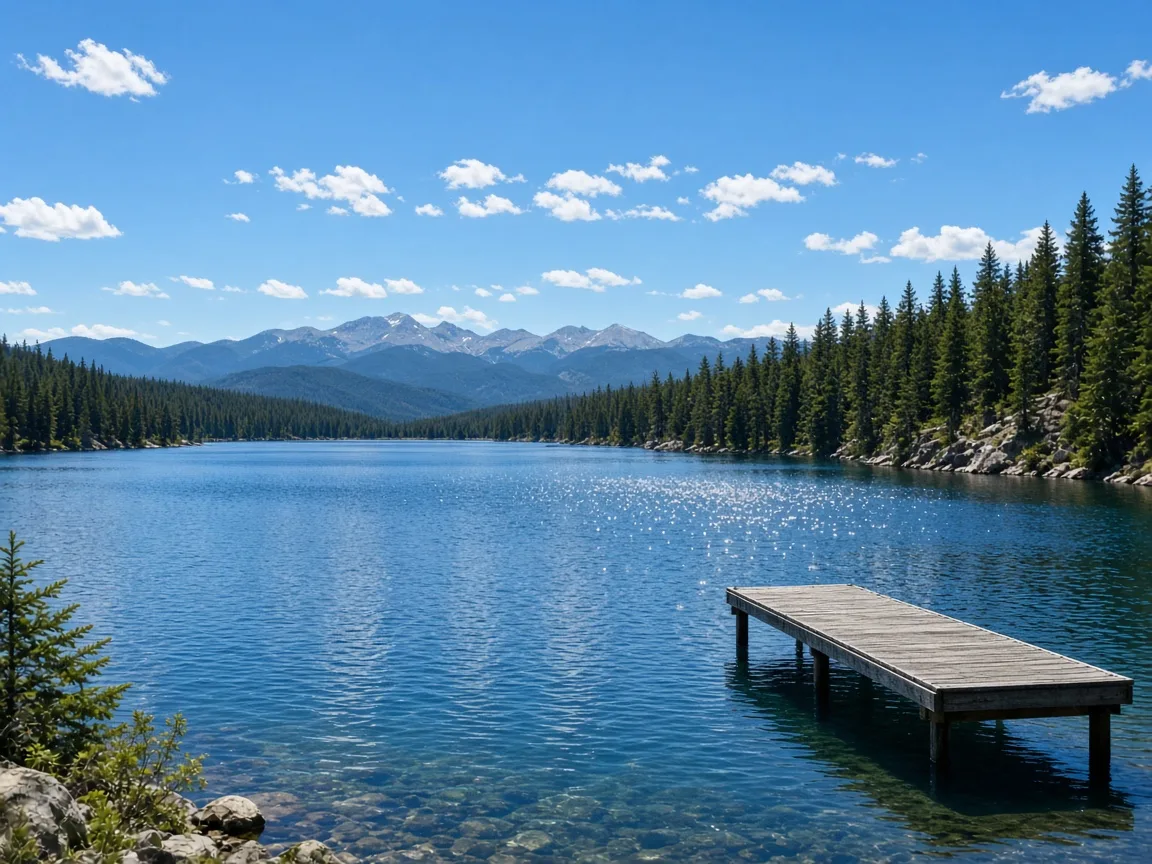
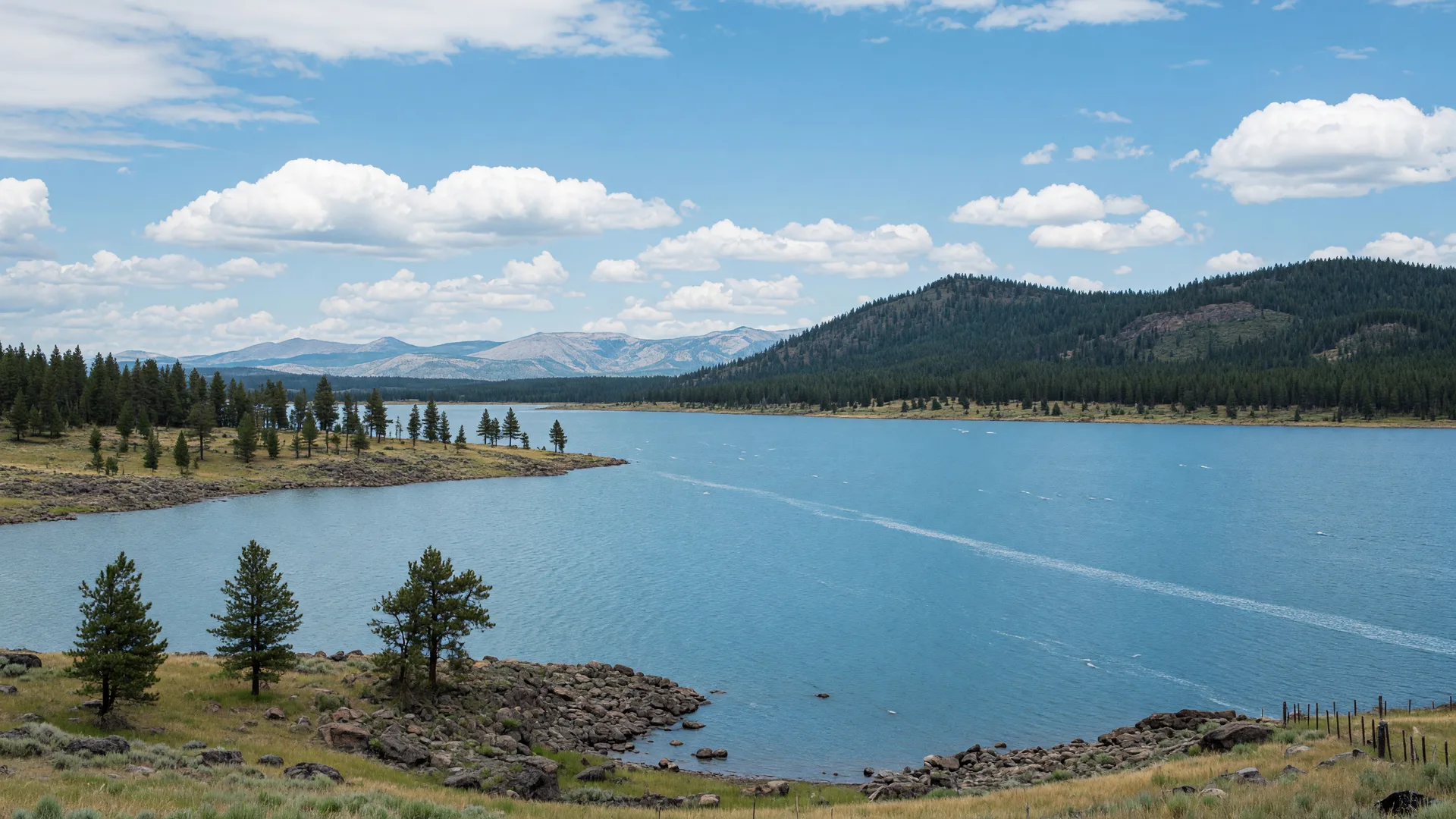
What Makes Water Levels Change?
Some lakes respond primarily to seasonal inflows and evaporation. Others are also influenced by dams, reservoir operations and water-management requirements. Each waterbody has its own pattern, so it is risky to generalize from one lake to another.
Boat Ramps and Launch Access
A ramp that works well at one level may be difficult or unusable when water is low. Exposed rocks, mud and shallow channels can create hazards. Before towing a boat to a lake, verify current launch status with the managing agency or marina and ask whether the ramp suits your vessel.
Paddling and Shoreline Changes
Canoeists and kayakers may encounter longer carries to the water, newly exposed obstacles or changing currents near inlets and outlets. Higher water can also conceal submerged hazards. Always assess the actual route.
Fishing and Habitat
Water levels influence access and fish habitat, but they do not translate into a simple promise of better or worse fishing. Check current ODFW rules and agency reports for the specific waterbody. Do not assume a fishing spot will remain accessible all season.
The Waterfront Property Question
A listing photograph taken at high water may not show the shoreline's appearance later in the year. Ask about seasonal access, recorded easements, dock permissions, flood risk, erosion, shoreline management and whether the waterbody is regulated. Verify information independently rather than relying on verbal assurances.
Make Seasonal Change Part of Your Plan
If possible, visit a prospective waterfront property during different conditions or review reliable historical water-level information. A property can still be wonderful with seasonal variation—but buyers should understand what they are purchasing.
Conditions change. Verify lake information before you go.
Lake conditions, access, weather, water quality, fees, and regulations can change at any time. Verify current information with the managing agency and the official sources on this page before traveling. Never assume that a lake suitable for one activity is suitable for another.
Frequently Asked Questions
Are Southern Oregon lakes full year-round?
Not necessarily. Patterns differ by lake and management system.
Does a waterfront parcel guarantee a usable dock?
No. Dock installation and use can require permissions and may be limited by water levels and other restrictions.
Where can I check current levels?
Use the relevant managing agency, USGS gauges where available and official reservoir reports.
Sources and Further Reading
- U.S. Geological Survey — Water Data
- U.S. Bureau of Reclamation — Klamath Basin Area Office
- Oregon State Marine Board
Conditions, access, weather, water quality, fees, and regulations can change. Verify current information with the managing agency and the official sources above before traveling. On water-quality pages, the current Oregon Health Authority advisory page is the reference for harmful algal bloom status.
Related reading
Want a home near the water? Lincoln Home can help you assemble questions about access, seasonal changes and property records before you decide.