
Before Klamath Falls had streets, before Linkville appeared on maps, and long before Oregon became a state, the Klamath Basin was home to Indigenous peoples with established communities, languages, cultural traditions and relationships with the landscape.
The region's Indigenous history is not a brief introduction to the arrival of settlers. It is a continuing story that stretches across generations and remains essential to understanding Southern Oregon today.
A Landscape That Supported Communities
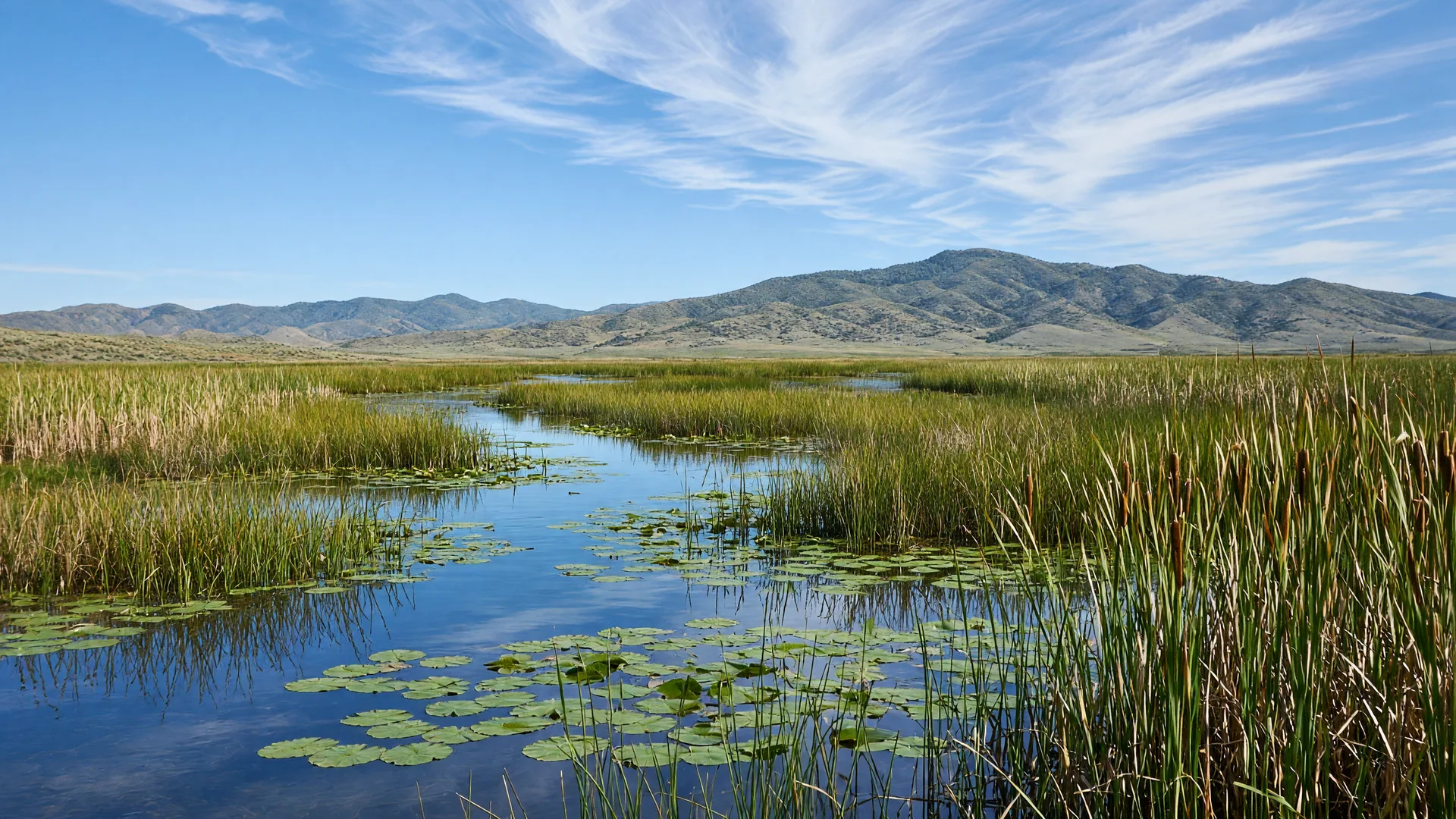
The Klamath Basin contains an extraordinary network of lakes, rivers, wetlands, forests and high desert environments.
These landscapes provided fish, waterfowl, plants, game and materials used for shelter, tools and everyday life.
Indigenous communities understood the seasonal patterns of these resources and developed systems of travel, gathering, fishing and stewardship adapted to the region.
The Klamath, Modoc and Yahooskin Paiute peoples maintained distinct cultural identities and relationships with their homelands.
Their histories extend across geographic areas that later became divided by county and state boundaries.
Life Before Modern Settlement
Indigenous communities did not live in an untouched wilderness separate from the landscape. They actively shaped their surroundings through knowledge, harvesting practices, travel networks and cultural traditions.
Settlements and seasonal movements reflected access to food, water and other resources.
Trade connected communities throughout the broader region.
Languages and place names preserved knowledge about geography, history and relationships between people and land.
The Nineteenth Century Changed the Basin
The expansion of Euro-American settlement brought profound changes.
Treaties, military conflict, reservation policies and the loss of access to traditional lands disrupted Indigenous communities.
The 1864 treaty established the framework for the Klamath Reservation, while later federal policies further affected tribal land and government.
These events cannot be separated from the development of towns, farms and transportation systems across the basin.
Indigenous History Is Also Contemporary History
The Klamath Tribes remain a federally recognized tribal government representing Klamath, Modoc and Yahooskin Paiute citizens.
Their work includes cultural preservation, government services, natural-resource management and community development.
Understanding the Klamath Basin means recognizing both historical injustices and the continuing sovereignty and contributions of Indigenous peoples.
Why This History Matters
Visitors and prospective residents often begin learning about Southern Oregon through its scenery.
But the lakes, rivers and mountains are also places with cultural histories and ongoing significance.
Learning those histories encourages a deeper understanding of the region and the responsibilities associated with living here.
Frequently Asked Questions
Who lived in the Klamath Basin before Klamath Falls existed?
Indigenous peoples, including the ancestors of today's Klamath, Modoc and Yahooskin Paiute communities, lived throughout the region long before the establishment of Linkville in 1867.
Are the Klamath Tribes still active today?
Yes. The Klamath Tribes are a federally recognized sovereign tribal government headquartered in Chiloquin, Oregon.
Sources
- The Klamath Tribes — Official Website
- Oregon Encyclopedia — Indigenous and Oregon History
- National Park Service — Modoc Homeland
The linked references are editorial starting points researched from authoritative sources, including the Klamath Tribes and the National Park Service. Lincoln Home verifies source availability before publication.
Continue Reading
Related articles
Explore more from Lincoln Home