
Not Every Homeownership Rule Comes From the City or County
When buyers think about property restrictions, they often focus on zoning.
But a property may also be subject to private rules and recorded agreements.
Homeowners associations, commonly called HOAs, can establish obligations for properties within qualifying communities.
Recorded covenants, conditions, and restrictions—often abbreviated CC&Rs—may affect how an owner uses or improves the property.
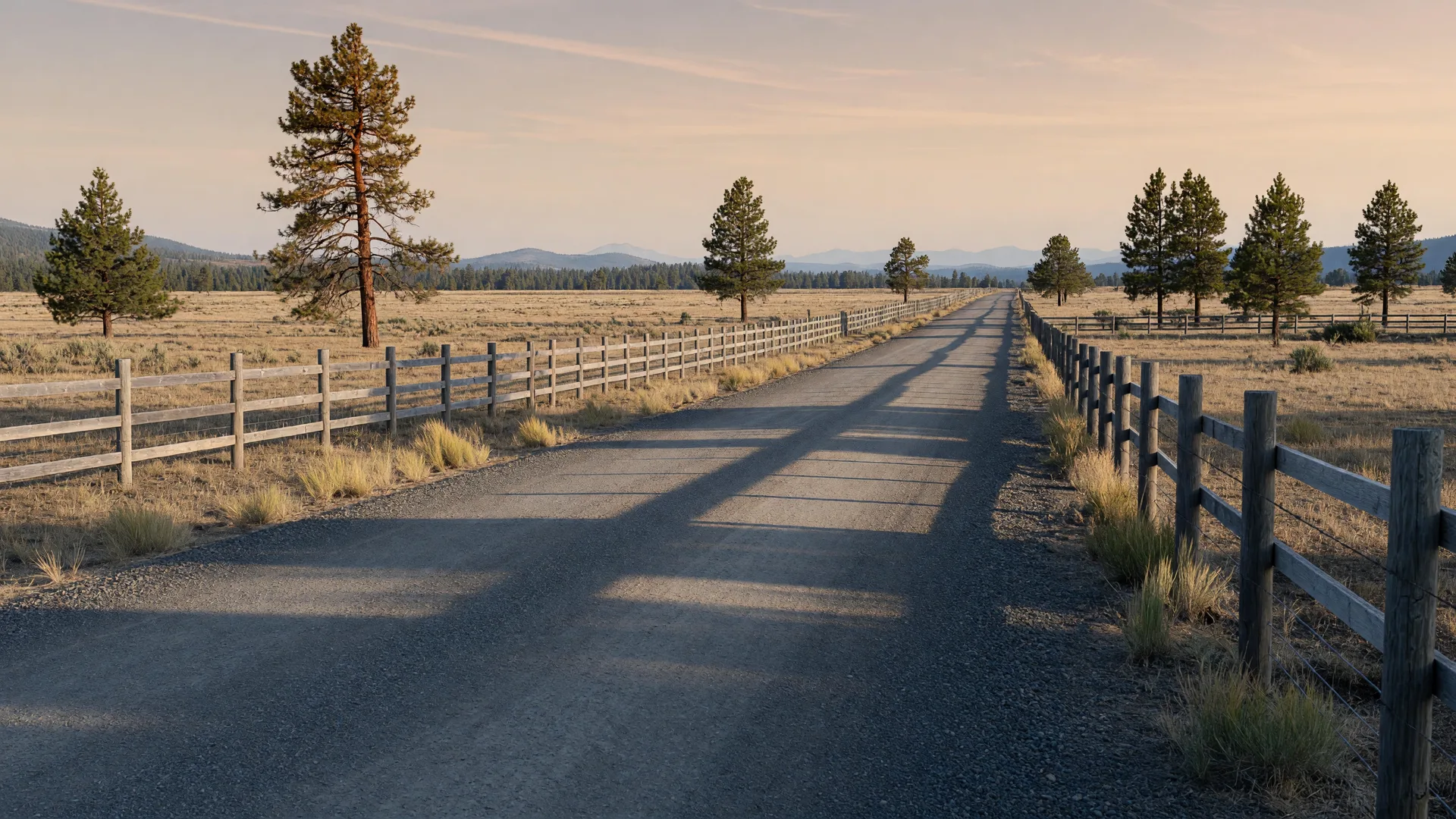
Private road agreements can establish responsibilities for maintaining shared access.
Understanding these arrangements is essential before buying.
What Is a Homeowners Association?
An HOA is an organization that may be responsible for managing common property, maintaining shared facilities, enforcing applicable community rules, and collecting assessments.
Not every neighborhood has an HOA.
Some associations manage substantial amenities, while others focus on shared roads, landscaping, or limited common facilities.
The exact responsibilities depend on the community's governing documents and applicable law.
What Are CC&Rs?
CC&Rs are recorded restrictions or obligations affecting property use.
They may address building design, exterior changes, fencing, parking, animals, rentals, and other matters.
Not every set of CC&Rs contains the same restrictions.
A buyer should review the actual recorded documents instead of relying on a general description from a listing.
Oregon's Planned Community Laws
Oregon Revised Statutes Chapter 94 includes provisions addressing planned communities and homeowners associations.
Other legal frameworks may apply to condominiums or different property arrangements.
Buyers should identify the actual ownership structure and applicable governing documents.
HOA Dues and Assessments
An association may collect regular assessments to fund maintenance, insurance, management, reserves, or other authorized expenses.
Some communities may also levy special assessments under applicable governing documents and law.
Before purchasing, request current dues information, financial statements, budgets, reserve information where applicable, and details of known or proposed special assessments.
A low monthly assessment does not automatically mean an association is financially healthy.
Rules About Improvements
Want to build a fence, install a shed, change exterior colors, or add a garage?
A community may require architectural review or approval.
These private requirements can exist in addition to county building and land-use rules.
Obtaining a building permit does not necessarily eliminate the need for HOA approval.
Rental Restrictions
Some communities have rules concerning leasing, short-term rentals, or occupancy.
Buyers considering rental income should investigate those restrictions before purchasing.
Do not assume that every home in a desirable recreational area can legally operate as a vacation rental.
Running Y Ranch and Community-Specific Documents
Running Y Ranch is an example of a community where buyers should investigate the particular property's association arrangements, governing documents, assessments, and applicable restrictions.
Different properties or subareas may involve different obligations.
Do not assume that one set of rules applies identically to every listing.
Lincoln Home's existing Running Y Ranch community guide should link buyers to the relevant property search and encourage review of property-specific documents.
Private Roads Are a Separate Issue
Not every privately maintained road is controlled by an HOA.
Some roads are maintained through recorded agreements among neighboring owners.
Others may have less formal arrangements or unresolved questions.
A buyer should determine whether the road is public or private, whether legal access is established, and who pays for maintenance.
Snow Removal and Rural Road Costs
In Klamath County, private road obligations can become especially important during winter.
Grading, gravel replacement, culvert repairs, drainage, and snow removal may require recurring expenditures.
Review the maintenance agreement and ask how expenses are allocated.
If a road serves several homes, determine whether a formal cost-sharing arrangement exists.
Reviewing HOA Documents Before Closing
Buyers should review the declaration, bylaws, rules, budgets, assessments, insurance information, and other relevant records.
Ask whether there are pending disputes, major repairs, or planned projects that could affect future expenses.
Where legal interpretation is needed, consult an Oregon real-estate attorney.
Selling a Home With an HOA
Sellers should organize association information early.
Accurate dues, rules, transfer requirements, and contact information can help buyers and transaction professionals avoid delays.
Do not advertise a property as having no HOA or no restrictions without verifying the records.
Interactive checklist
HOA Document Review Checklist
Work through each item with the documents and financial records for the specific property, not a general description from a listing.
If any item is still unresolved, work through it with the seller, the responsible authorities, and the professionals who will help you close before you buy.
Frequently Asked Questions
Can an HOA restrict what I build?
Potentially, depending on its governing documents and applicable law. County permits and HOA approval are separate matters.
Can an HOA increase assessments?
Assessments depend on the governing documents and applicable legal requirements. Buyers should review current financial information.
Are all private roads maintained by HOAs?
No. Some roads are governed by separate maintenance agreements or other arrangements.
Does buying acreage mean there are no CC&Rs?
No. Rural acreage can still be subject to recorded restrictions, easements, and maintenance obligations.
Do all Running Y Ranch homes have identical association obligations?
Do not assume that. Verify the documents and assessments applicable to the specific property.
Understand the Community Before You Buy
A homeowners association or private road arrangement is not automatically a negative feature.
Shared maintenance and organized community management can offer benefits.
The important thing is understanding the obligations before making a purchase.
Lincoln Home can help buyers explore homes in Klamath Falls, Running Y Ranch, and surrounding communities while encouraging review of the appropriate documents.
Search available properties or contact Lincoln Home to discuss your homeownership priorities.
The Lincoln Home property search portal covers active Klamath Basin MLS listings across the whole region, including communities with associations and private roads. Use the broad search to find properties, then review the governing documents, assessments, and maintenance obligations for any home you consider.
Continue Exploring
HOAs and private roads connect to access rights, zoning, winter road maintenance, rural lifestyle, and property taxes. Continue with the guides below.
- Rural Property Access: Private Roads, Easements, and Maintenance Agreements Legal access, easements, and road maintenance.
- Rural Zoning and Land Use in Klamath County: What Buyers Need to Know County rules that apply alongside private restrictions.
- Snow, Winter Access, Private Roads, and Easements in Rural Klamath County Snow removal and shared road obligations.
- Privacy vs. Convenience: Choosing the Right Rural Lifestyle Near Klamath Falls Community rules versus rural independence.
- Property Taxes in Klamath County, Oregon: What Homebuyers and Homeowners Should Understand Budgets beyond the mortgage payment.
- Running Y Ranch The established community guide. Review the documents for the specific property.
Official Resources and Further Reading
These official resources are the starting point for verifying rules for a specific property. Lincoln Home presents general educational content, not property-specific legal approval. Confirm current requirements with the responsible agency before relying on any development claim.