
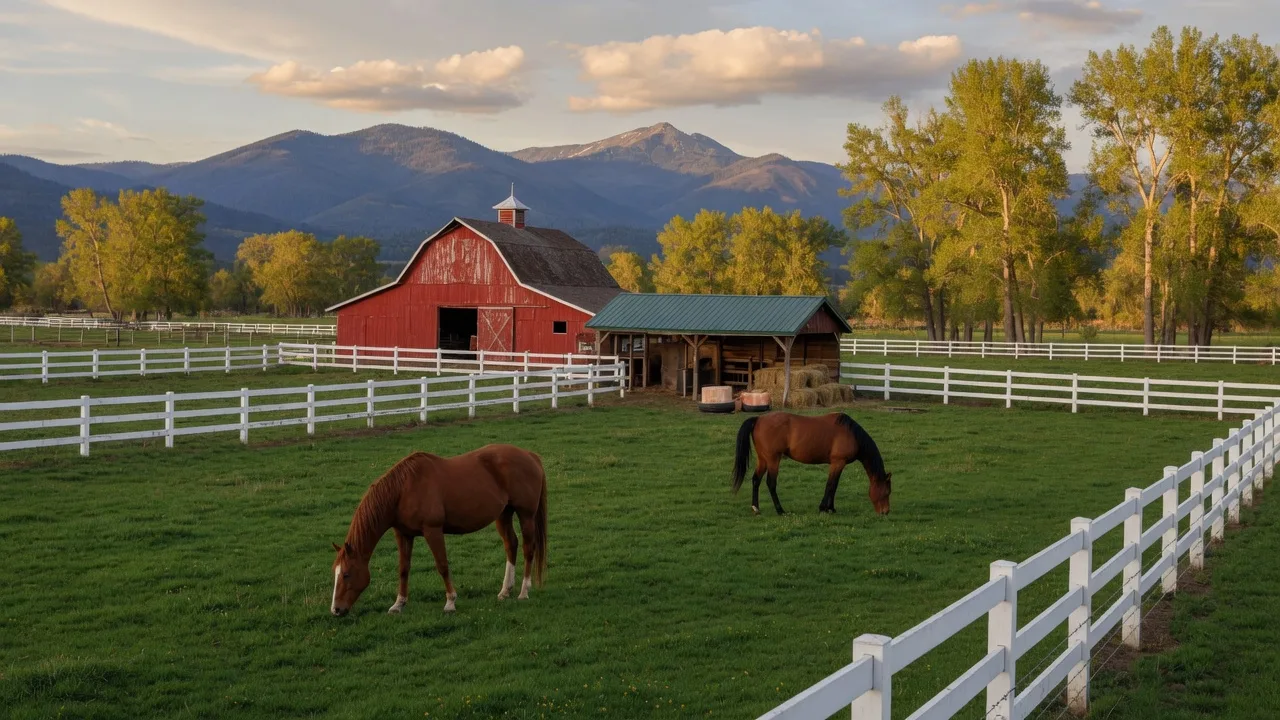
Finding a Home for You and Your Horses
For horse owners, choosing a property is about more than bedrooms and square footage.
It is about safe fencing, dependable water, suitable shelter, pasture management, trailer access, and enough usable land for the intended animals.
Klamath County's rural landscapes can be appealing to equestrian buyers, but not every acreage property is suitable for horses.
Verify the Legal Use
Before purchasing, confirm whether the property's zoning and any recorded restrictions permit the intended number and type of animals.
Different rules may apply to private horse ownership, boarding operations, training facilities, commercial events, or other business activities.
Do not assume that agricultural surroundings automatically authorize every equestrian use.
Water Is Essential
Horses require reliable access to clean water.
Investigate the property's water source, capacity, seasonal reliability, and any restrictions on intended use.
A domestic well serving a residence may not automatically support every proposed commercial or agricultural operation.
Pasture and Feed
Pasture quality varies with soil, climate, irrigation, vegetation, and grazing pressure.
Even a property with substantial acreage may require purchased hay or supplemental feed.
Consider hay storage, rodent prevention, equipment access, and protection from moisture.
Manure Management
Manure and bedding must be managed to reduce odors, flies, runoff, and water contamination.
The appropriate approach depends on the number of animals, property conditions, and applicable environmental requirements.
Fencing and Shelter
Inspect fences for unsafe wire, broken posts, sharp edges, and insecure gates.
Evaluate barns and shelters for ventilation, drainage, fire safety, and safe access.
The Six Essentials of Horse Property
Keep these considerations in mind when evaluating any Klamath County property for horses.
- Legal use: confirm zoning and recorded restrictions for the intended number and type of animals.
- Water: reliable, clean water with adequate capacity and no restrictions on intended use.
- Pasture and feed: pasture quality, hay storage, rodent prevention, and equipment access.
- Manure management: plan for odors, flies, runoff, and water contamination.
- Fencing: inspect for unsafe wire, broken posts, sharp edges, and insecure gates.
- Shelter: barns and shelters with good ventilation, drainage, fire safety, and safe access.
Frequently Asked Questions
How many horses can I keep on five acres?
There is no universal answer. Legal restrictions, usable acreage, pasture condition, water, facilities, and management practices determine suitability.
Can I operate a boarding business on horse property?
Commercial boarding may involve additional zoning, land-use, building, insurance, and business requirements.
Search for Your Equestrian Lifestyle
Klamath County's rural landscapes can be appealing to equestrian buyers, but each property needs its own evaluation.
The Lincoln Home property search portal covers active Klamath Basin MLS listings across the whole region. It does not offer a dedicated horse-property filter, so use the broad search to browse acreage homes and rural listings, then ask Lincoln Home for a saved search targeted to equestrian criteria.
More From the Rural Living & Acreage Series
Horse-property questions reach across the series. Continue with the guides below.
- Horse Property Features Buyers Should Look For Fencing, barns, arenas, trailer access, and water distribution.
- Buying a Small Farm or Hobby Farm in the Klamath Basin Land suitability, zoning, water, and budgets for small farms.
- Irrigation Rights and Water Rights: Questions Oregon Property Buyers Should Ask Understanding water for pasture and irrigation.
- Buying Property With a Barn, Shop, or Outbuildings in Klamath County Inspecting barns and horse facilities before purchase.
Official Resources and Further Reading
These official resources are the starting point for verifying rules for a specific property. Lincoln Home presents general educational content, not property-specific legal approval. Confirm current requirements with the responsible agency before relying on any development claim.