
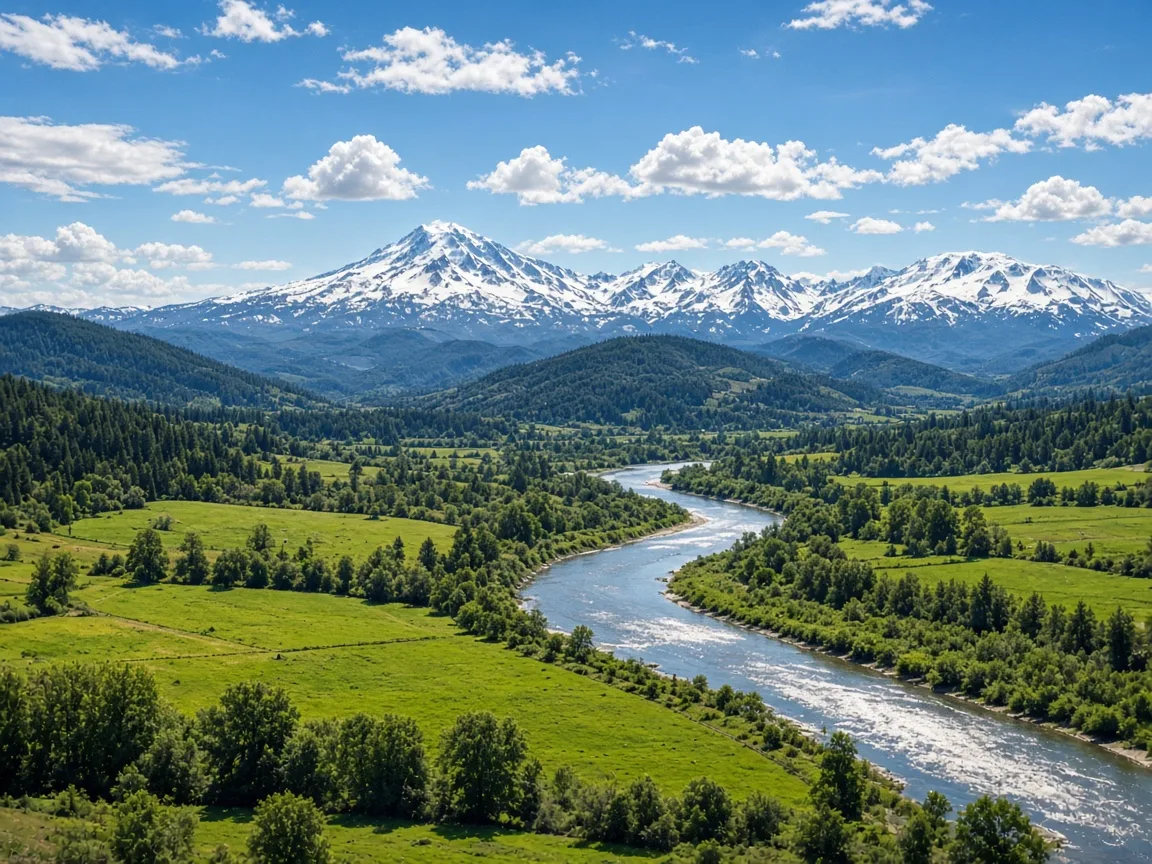
The Klamath Basin's lakes, wetlands, forests and high desert environments provided a diverse range of foods long before modern agriculture developed.
Indigenous communities maintained detailed knowledge of these resources and the seasons in which they could be gathered or harvested.
Food was connected to culture, family knowledge and relationships with the environment.
The Importance of Fish
Fish were important in the basin's food systems.
The Klamath Tribes have longstanding cultural relationships with native fish species, including c'waam and koptu.
Fishing practices were informed by knowledge of local waterways and seasonal conditions.
Wetland Plants and Gathering
Wetlands supported edible plants and other useful resources.
Harvesting required knowledge of plant identification, growth cycles and appropriate gathering locations.
The cultural importance of these resources extended beyond their nutritional value.
Hunting and Seasonal Resources
The surrounding forests and uplands provided game and additional plant resources.
Seasonal travel allowed communities to use different environments at appropriate times of year.
These practices reflected generations of observation and adaptation.
Why Traditional Food Systems Matter Today
Environmental changes can affect more than wildlife populations.
When a culturally important species declines or access to traditional gathering areas changes, the consequences can reach into community identity and cultural continuity.
That is one reason conservation and restoration efforts can carry particular significance for tribal communities.
Learning Without Appropriation
Public education about traditional foods should rely on tribal-approved information.
Not every cultural practice is intended for public instruction, and not every traditional gathering location should be publicized.
Respectful learning begins with recognizing the authority of Indigenous communities over their own cultural knowledge.
Sources
The linked references are editorial starting points researched from authoritative sources, including the Klamath Tribes and the National Park Service. Lincoln Home verifies source availability before publication.
Continue Reading
Related articles